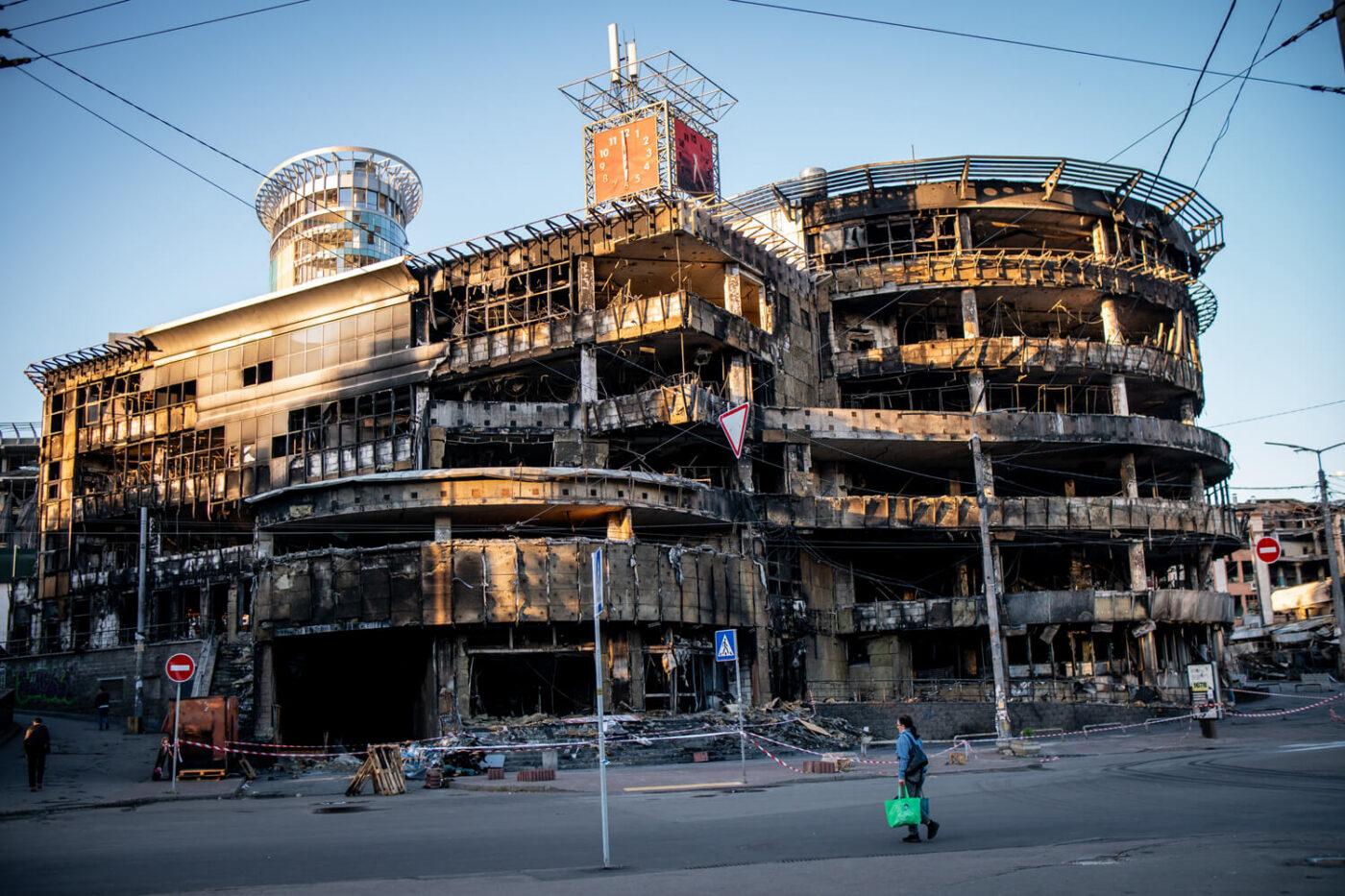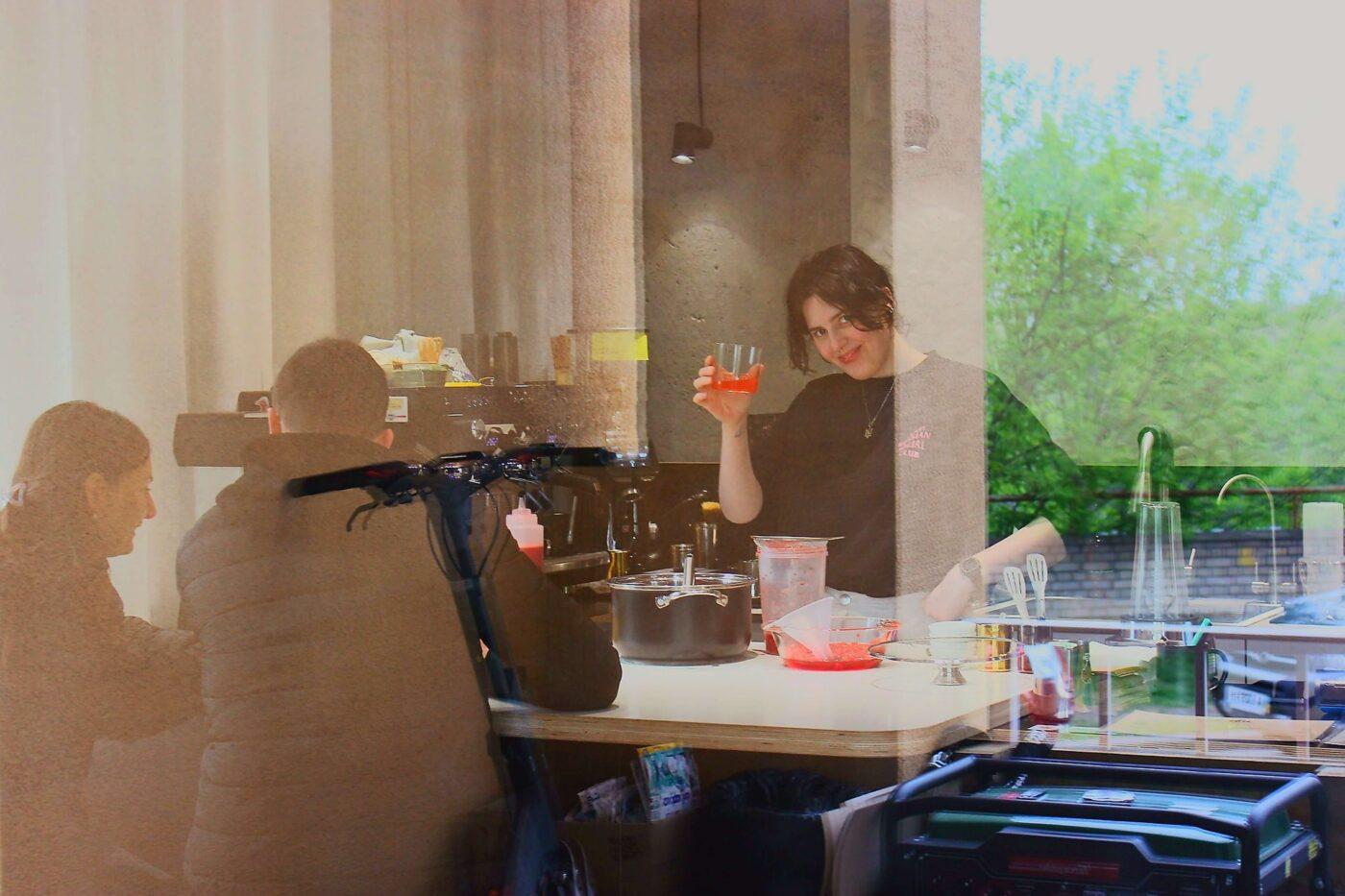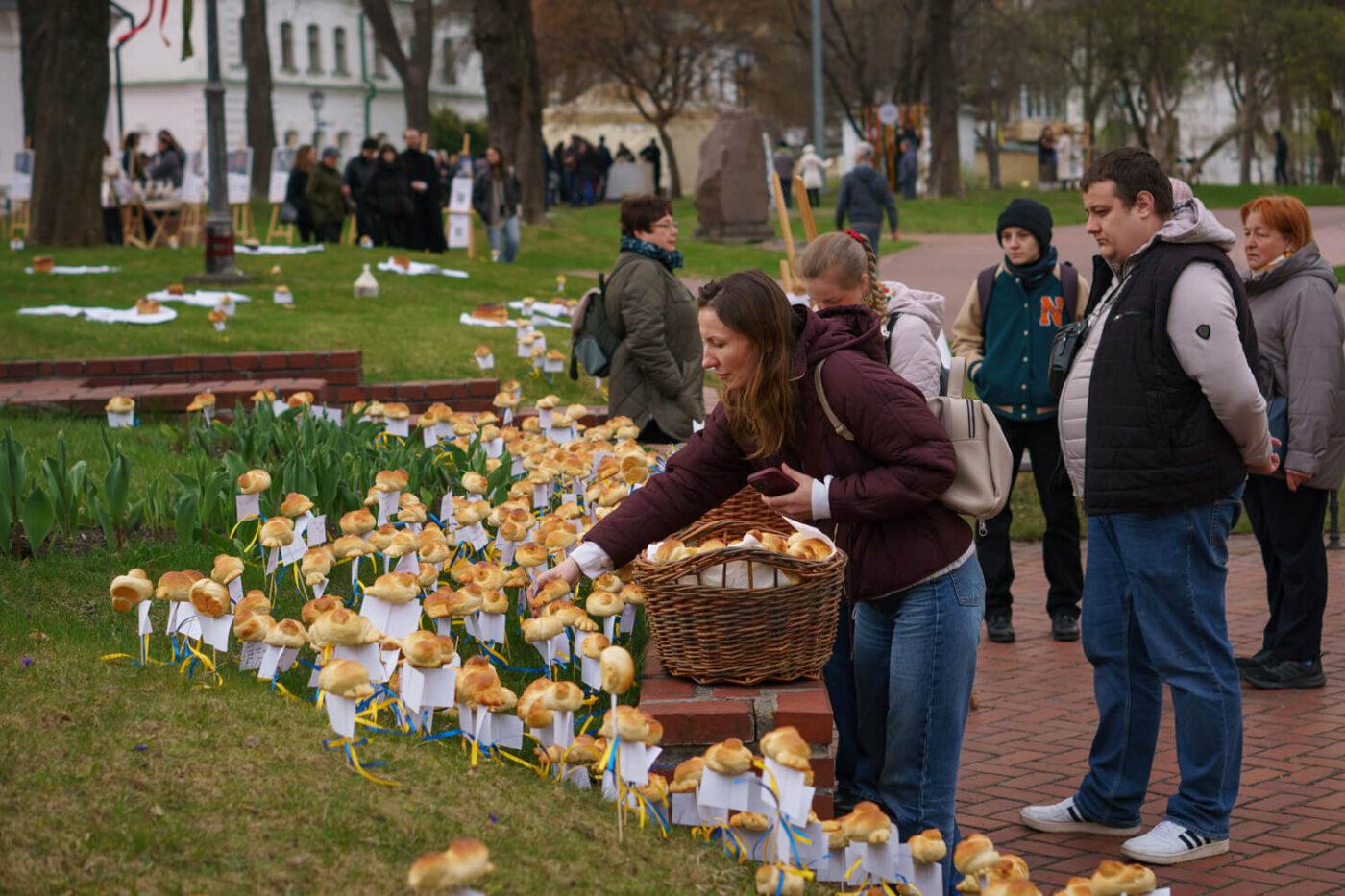

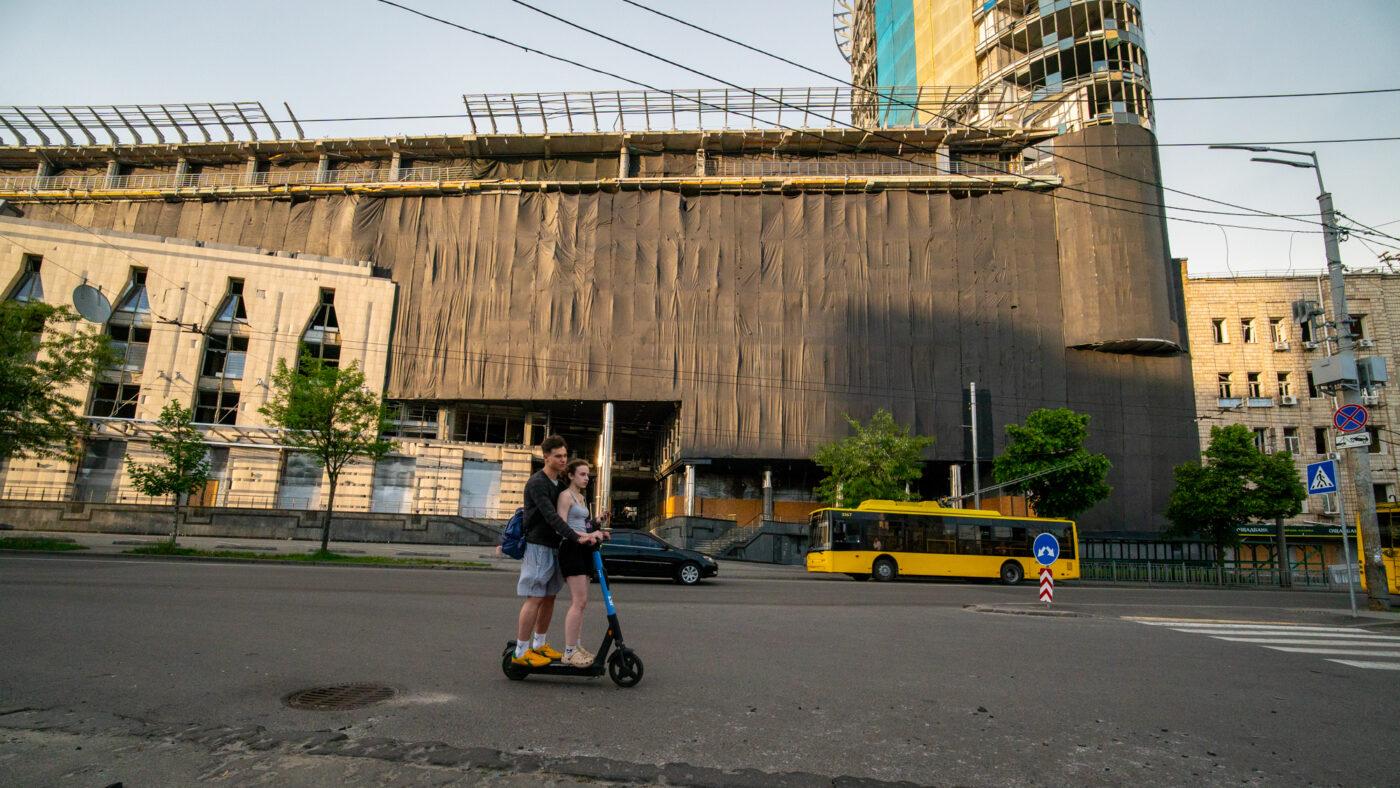
At night, Kyiv residents are increasingly waking up not because of an alarm clock, but because of a notification on their phone. Air raid alert. A few seconds to understand where the threat is heading, whether to wake a child, whether there is enough strength to go down to a shelter, or whether it is possible to stay in the hallway behind two walls. By morning, cafés reopen across the city, the metro carries people to work, lessons begin in schools, and chat groups discuss the “loud” night as routinely as the weather.
Over the years of the full-scale war, air raid alerts, news about missiles and drones, nighttime awakenings, and checking safety apps have become part of everyday life in Kyiv. This reality is often called the “new normal.” But the phrase itself can be misleading. It does not mean that air raid alerts, missile and drone attacks, or nighttime explosions have become normal in an ethical sense. Rather, it refers to a forced way of organizing life under conditions that people cannot control.
Adaptation Does Not Mean Fear Has Disappeared
Psychologist Marina Fedosova explains that it is possible to speak of adaptation under such circumstances. The human psyche has mechanisms of adjustment that allow people to continue working, raising children, supporting loved ones, and making plans even when danger does not disappear.

“Adaptation does not mean that a person is no longer afraid. On the contrary, it is evidence that the psyche is searching for ways to continue living, acting, and maintaining functionality even under conditions of constant threat”, — the psychologist says.
At the same time, she emphasizes that it is impossible to say unequivocally whether such adaptation is always healthy. Everything depends on the individual—their experience, resources, circumstances, previous traumatic events, and the ways they have learned to cope with stress. For some, the ability to function during an air raid alert is genuinely a sign of resilience. For others, it may be the result of exhaustion, when there is simply no strength left for an acute reaction.
Where the Line Lies Between Adaptation and Dangerous Habituation
One question that constantly arises in Kyiv is why some people go to shelters every time, while others stay at home. And can a weak reaction to the siren be considered dangerous habituation?
The psychologist advises against rushing to conclusions. If a person no longer reacts intensely to every air raid alert, there may be many different reasons behind it: fatigue, depleted resources, difficult living circumstances, previous experiences, or a sense of helplessness in the face of constant threats.
“In my opinion, what matters more is not how emotionally a person reacts to a siren, but whether they are capable of assessing risks rationally. It is critical thinking that helps people find a balance between adaptation and neglecting their safety”, — Marina explains.
This distinction is especially important for a city where air raid alerts have become part of daily routes, work schedules, school timetables, and sleep. On the one hand, people cannot experience every siren as if it were the first day of the war—the psyche simply could not withstand that level of intensity. On the other hand, a dulled reaction must not turn into a loss of awareness of danger.
Why Some People Go to Shelters While Others Stay
The decision to go to a shelter or not is not always easy to explain. For some, sheltering is a basic safety rule. For others, it is a difficult choice involving fatigue, children, elderly relatives, pets, health conditions, or experiences from previous nights. Some react quickly and consistently, some postpone the decision until the last moment, and others act depending on the type of threat.
“For some people, it is a rational choice; for others, it is fatigue; and for others, it is simply their usual way of responding to stress. If someone always goes to a shelter, that may reflect responsibility, or it may be a consequence of heightened anxiety. If someone barely reacts to a siren, there may also be many different reasons behind that”, — the psychologist says.
According to her, war does not create a person anew. In difficult circumstances, people tend to rely on the coping mechanisms they already had before. These are shaped further by the experiences of recent years, the level of support available, fatigue, losses, work, family, and an overall sense of control over one’s life.
The New Normal Does Not Mean Acceptance of Reality
That is why the concept of “normality” in Kyiv has changed during the full-scale war. In an everyday sense, it has become normal to check whether there is a shelter near a meeting place. To plan the day around possible air raid alerts. To respond to work messages after a sleepless night. To talk to children about safety as regularly as about school or extracurricular activities.
“When a person begins to perceive something as the new normal, it does not mean that they like what is happening. Rather, it is about the ability to acknowledge reality as it is and to build one’s life around those circumstances”, — Marina explains.
She adds that the new normal does not mean agreement with this reality. It is a way of assessing the situation rationally, making decisions, and adapting to what is happening here and now.
Chronic Stress and Fatigue from Uncertainty
Another part of this reality is chronic stress. The psychologist notes that in her work with Ukrainians she sees typical manifestations of prolonged tension: emotional exhaustion, sleep disturbances, increased anxiety, difficulty concentrating, a constant sense of strain, loss of motivation, and a loss of inner stability.
One of the most difficult consequences of prolonged stress, she says, is uncertainty. People often draw energy from plans, aspirations, and dreams. When the future remains uncertain for years, and any forecast can change overnight, it gradually becomes exhausting.
“When the future becomes uncertain for years ahead, it can lead to profound exhaustion, a loss of motivation, and a loss of inner stability”, — says the psychologist.
Guilt, Anger, and Helplessness: Different Reactions to the Same Reality
In this state, people may process what is happening in very different ways. Some experience guilt because they are living in relative safety while others face much greater dangers. For some, anxiety, helplessness, anger, or a heightened sense of responsibility for loved ones come to the forefront.
Marina is cautious about generalizations. She does not describe survivor’s guilt as a universal experience because every person experiences war differently. For some, the strongest impulse is the desire to help. For others, it is the need to keep their family together. For others still, it is simply the effort to make it through one more day without complete exhaustion.
Resilience Is Not Fearlessness
At the same time, the psychologist emphasizes an important point: resilience is not the same as fearlessness. She recalls a colleague from Kyiv who, during the years of the full-scale war, mastered a new profession, learned two foreign languages, expanded her social circle, and yet still goes to a shelter during every air raid alert.
“For me, this is an example of the fact that psychological resilience is not the absence of fear. It is the ability to continue living, building a future, and at the same time remaining connected to reality”, — she says.
When a person feels they are forcing themselves to keep going, there is no universal practice that works for everyone. First, it is important to understand what exactly is happening: is it a reaction to a real danger, accumulated fatigue, or anxiety? If the threat has already passed, the psychologist advises taking a moment to pause and reconnect with oneself.
In such moments, a simple internal phrase may help: “Despite the fear, anxiety, or anger I am feeling right now, I accept myself.” Another mindset she suggests is: “I allow myself to be afraid, and I continue to act”.
This does not eliminate fear or diminish the experience. On the contrary, it gives a person permission not to be perfectly composed every second, while still doing what is necessary for safety and life.
How to Support Children During Constant Air Raid Alerts
Children are a separate part of this new reality. They may not have the words to describe what they feel, so they often process emotions through simple activities: drawing, sculpting, games, playing with sand, and sensory exercises. Through such forms of expression, a child can communicate fear, tension, or confusion without having to articulate everything in adult language.
Yet the primary source of support for a child remains an adult. Children need a space where they can ask questions, talk about their fears, and receive calm answers. They are highly sensitive to their parents’ emotional state and often take their cues from it. That is why supporting a child begins with the emotional state of the adult beside them.
How Ukrainians Will Make Sense of This Experience
After the war, Ukrainians will have to gradually process the experience they have accumulated. This may be a difficult process, involving fatigue, fear, loss, and emotions that have been held back for a long time. But the psychologist suggests viewing it as more than just work through pain.
She recalls her grandparents and great-grandparents, who spoke about difficult events in their lives with respect for the past and an understanding of how they managed to endure everything they faced. In her view, the experiences of Ukrainians today will one day become part of similar stories—not simple stories, but important ones.
“We will remember not only the hardships, but also how people found solutions, supported one another, created something new, and continued living despite all circumstances”, — Marina says.
Kyiv’s new normal is not indifference to danger. It is the daily, often invisible work of the psyche: being afraid, assessing risks, caring for children, making difficult everyday decisions, going to shelters, making plans, and returning to life again and again.
Photo: Roman Chyhrynets