
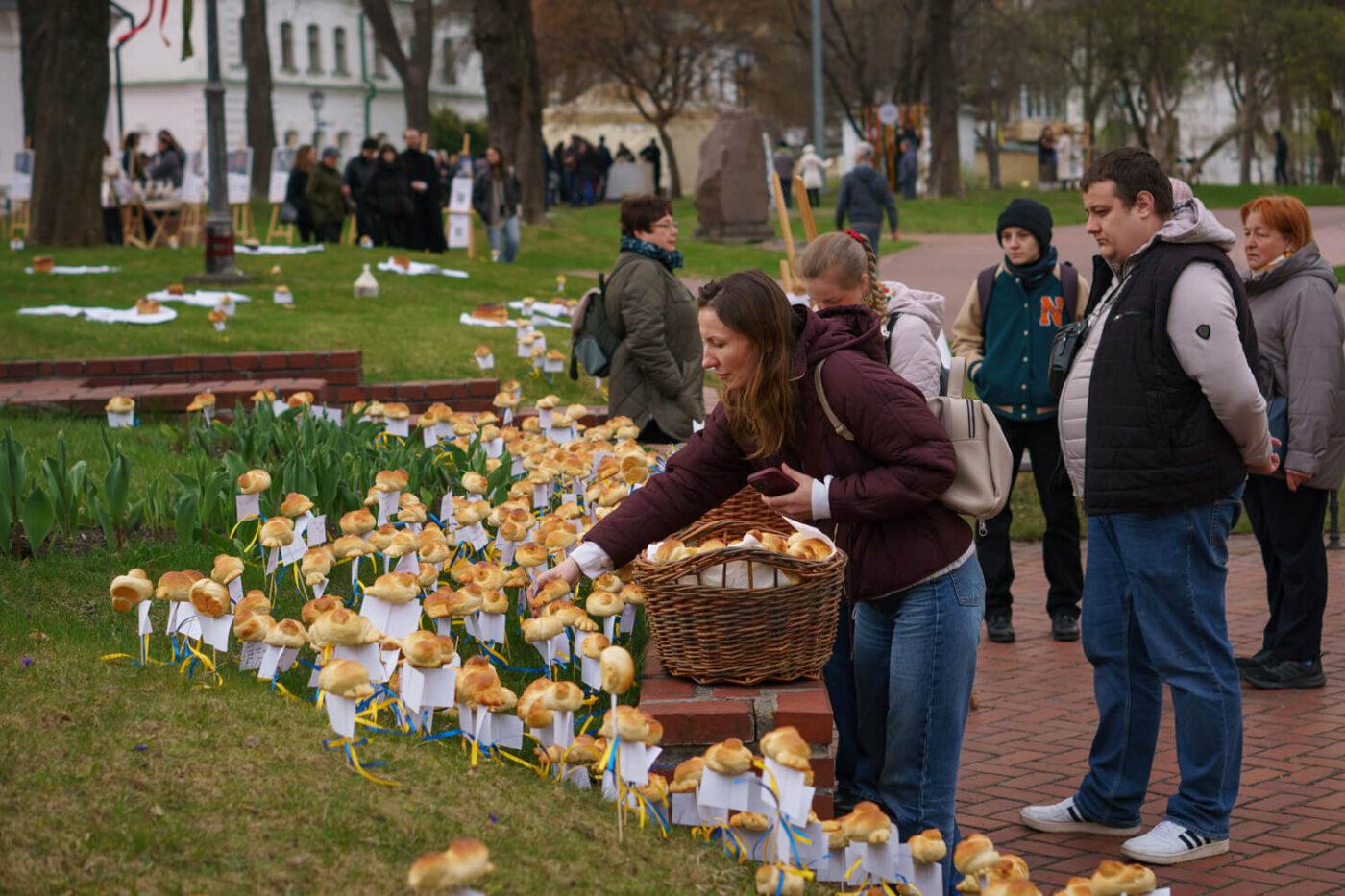
Bright Week — the Easter week — is coming to an end. Kyiv is celebrating it for the fifth time already under the realities of a full-scale war. During this time, the city has endured massive attacks, losses, and farewells, yet it has not lost the ability to come together, preserve its rituals, and celebrate Easter.
On the first day of the holiday, its historic center became a place where Easter solemnity intertwined with memory and the reality of war.
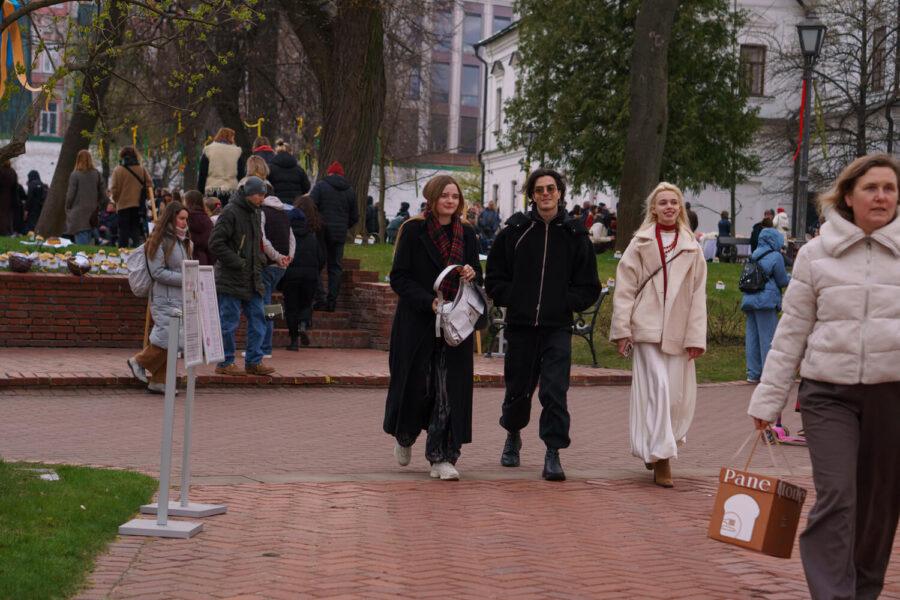
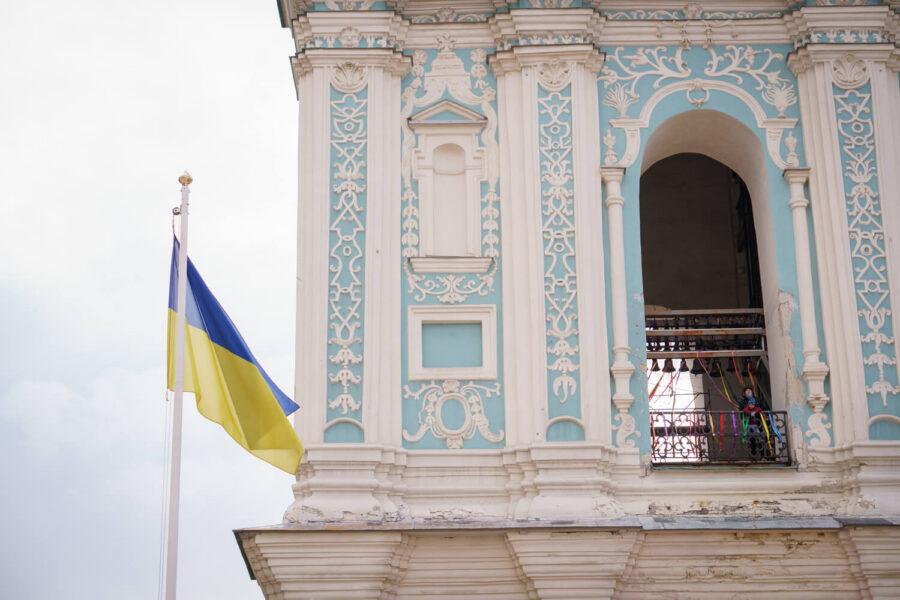
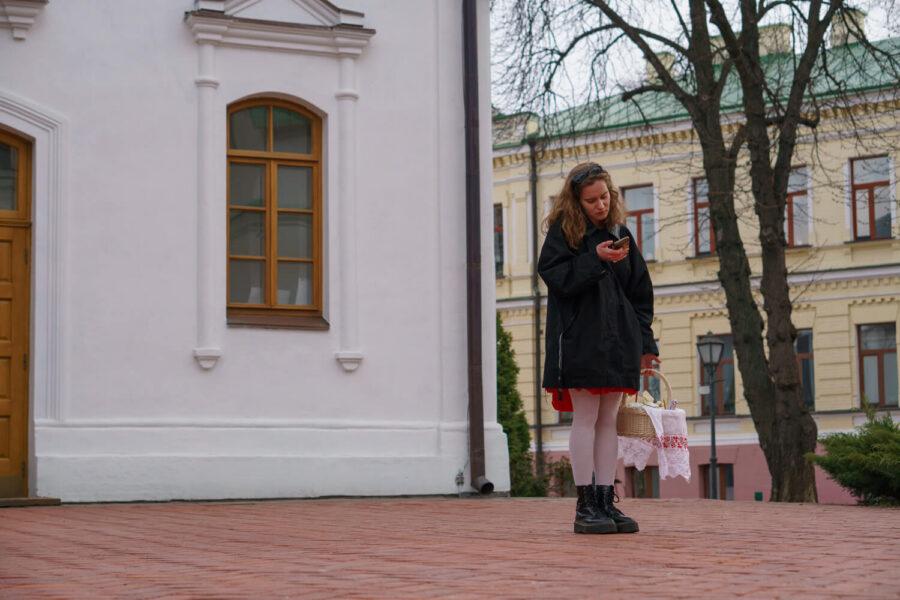
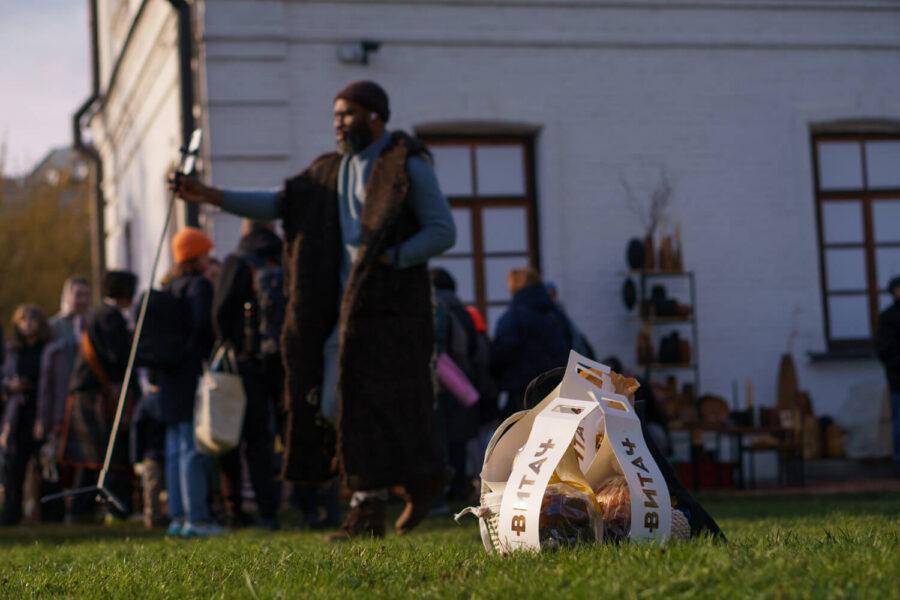
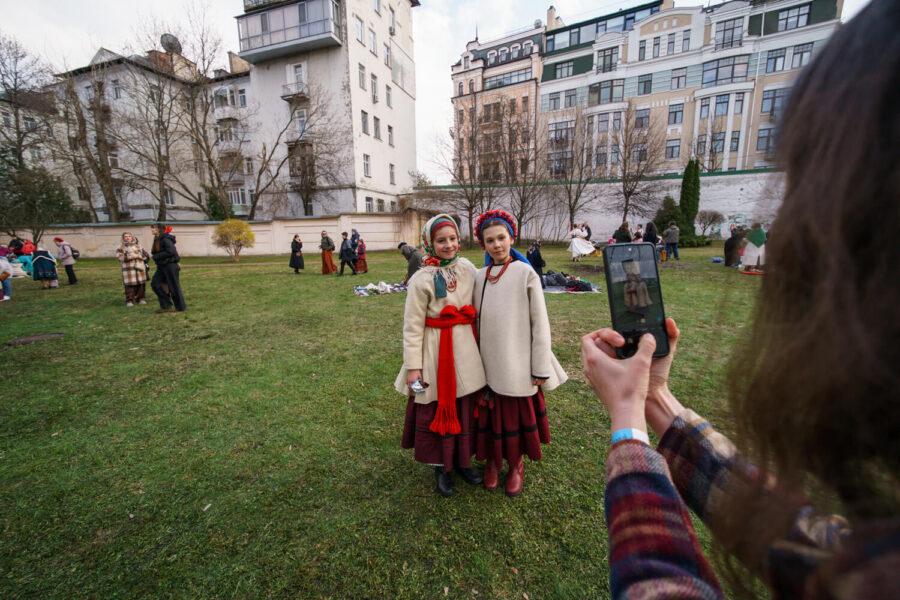
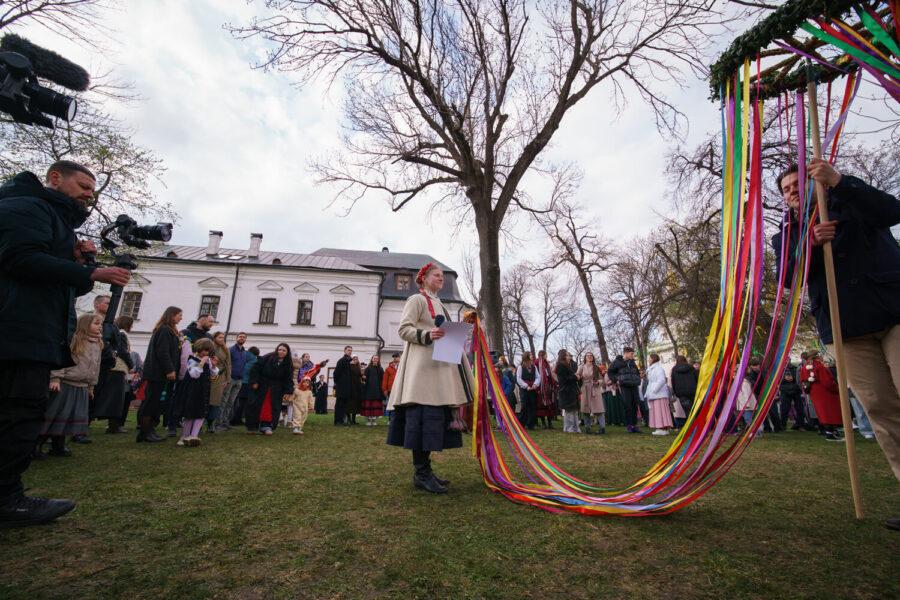
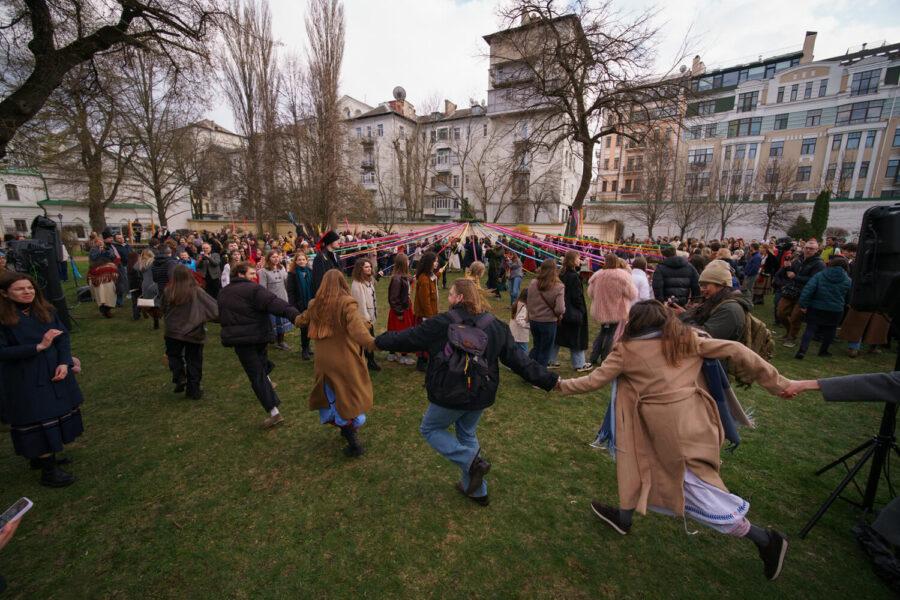
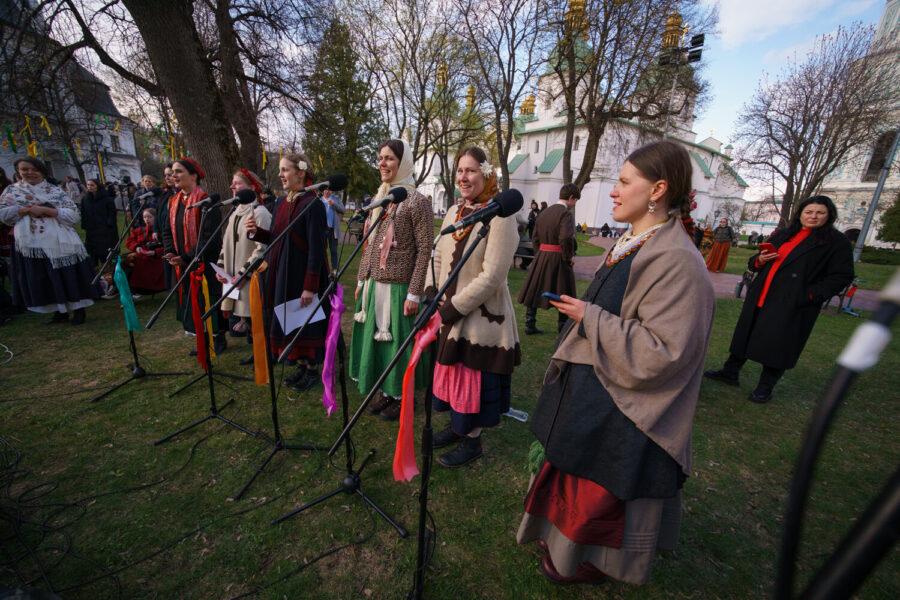
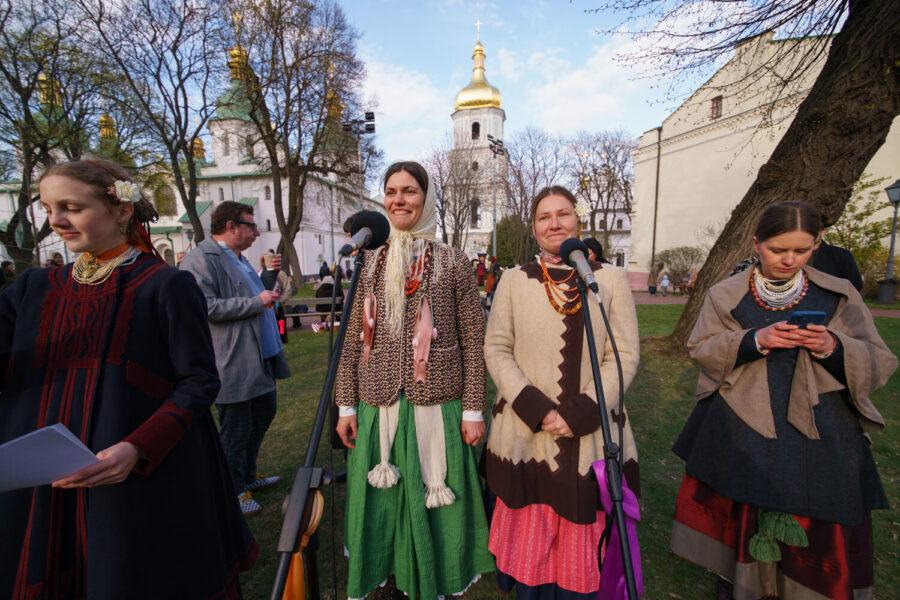
Main public festivities — at Saint Sophia of Kyiv
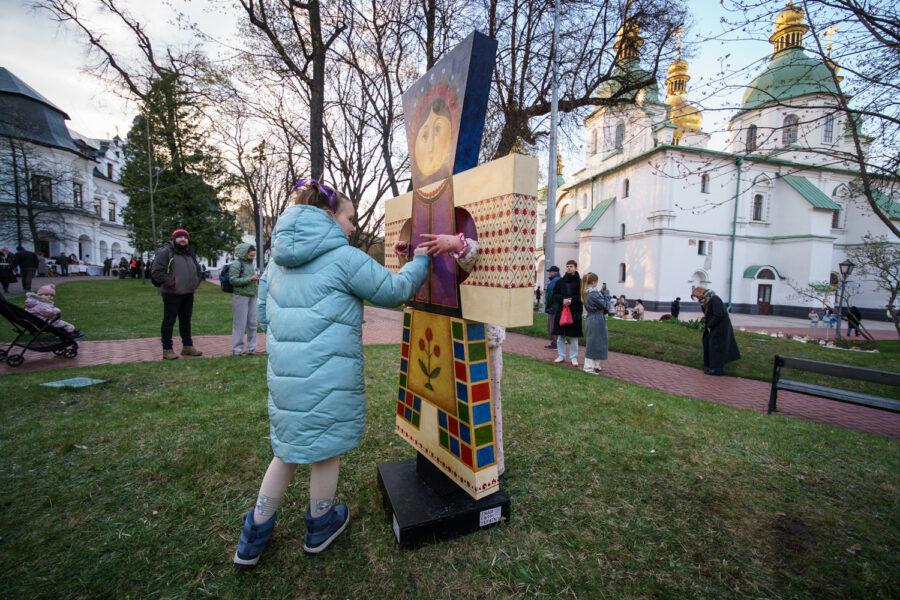
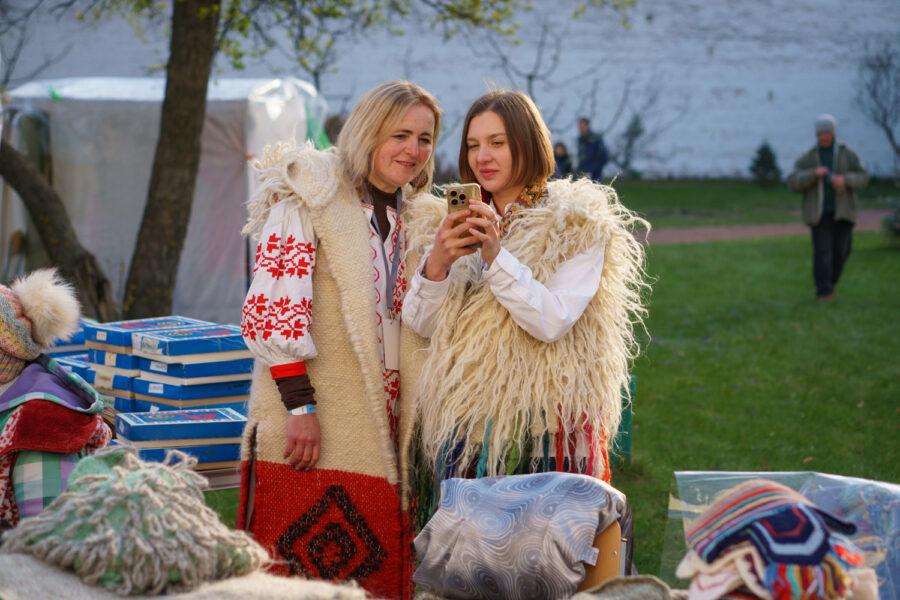
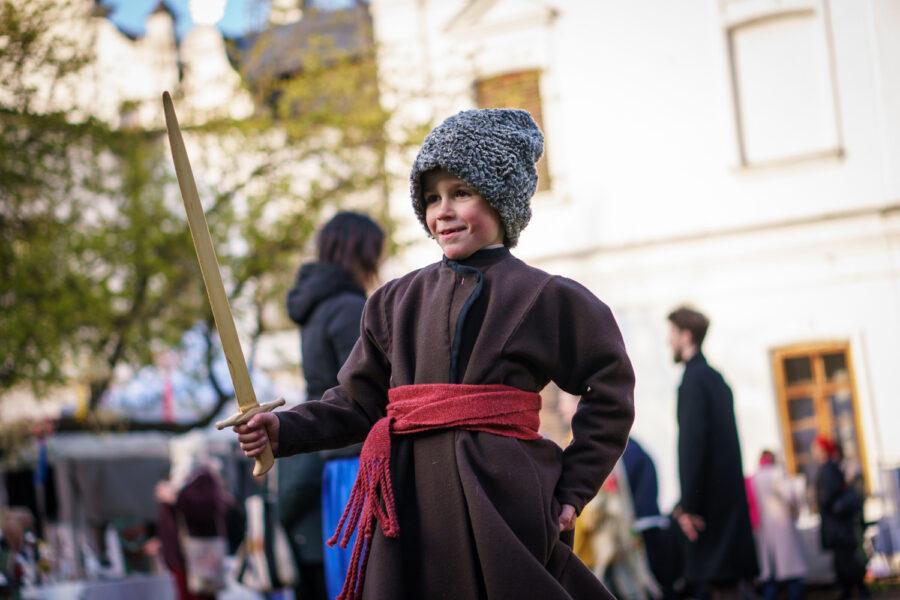
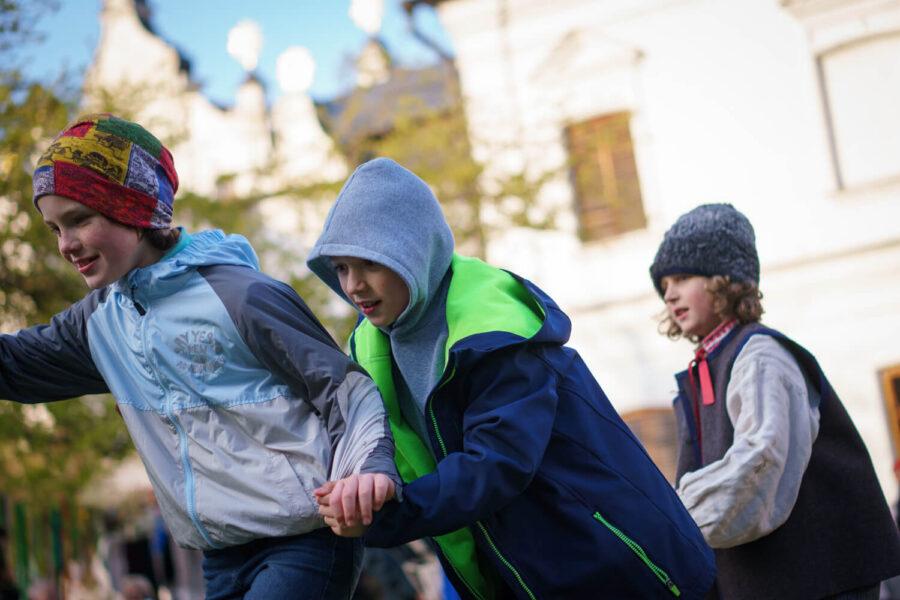
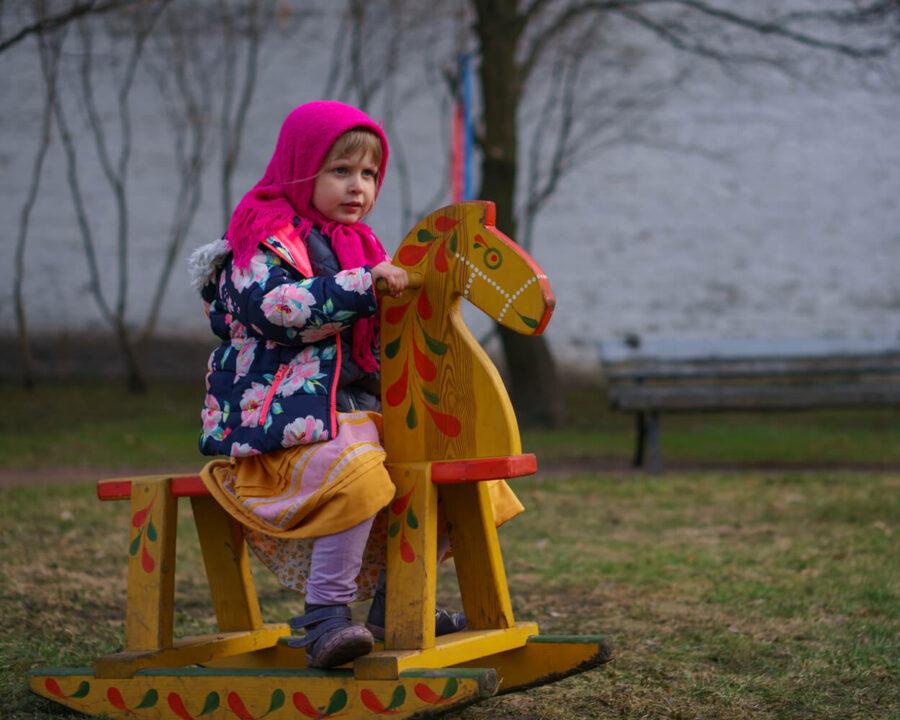
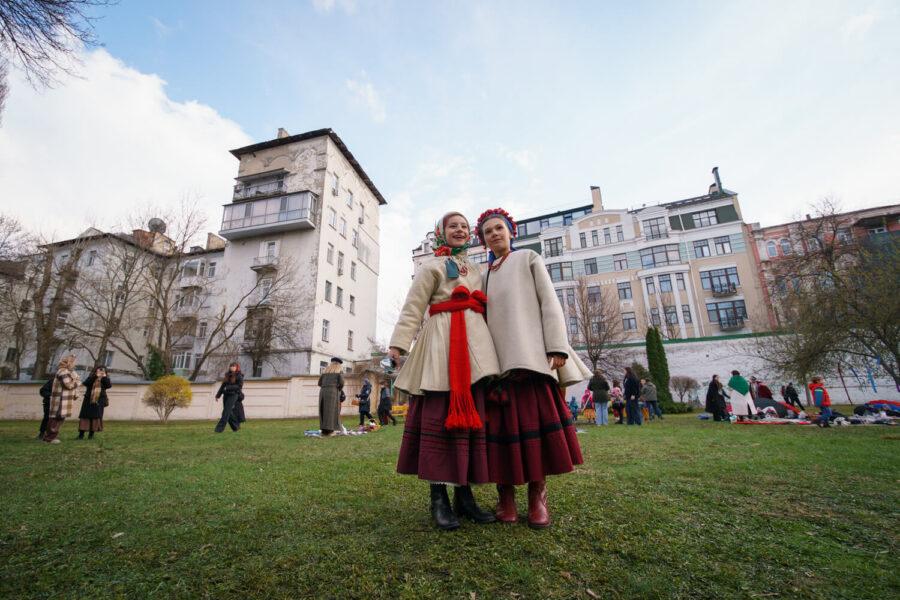
Saint Sophia of Kyiv once again became the place on Easter where ancient traditions were not reenacted, but truly lived.
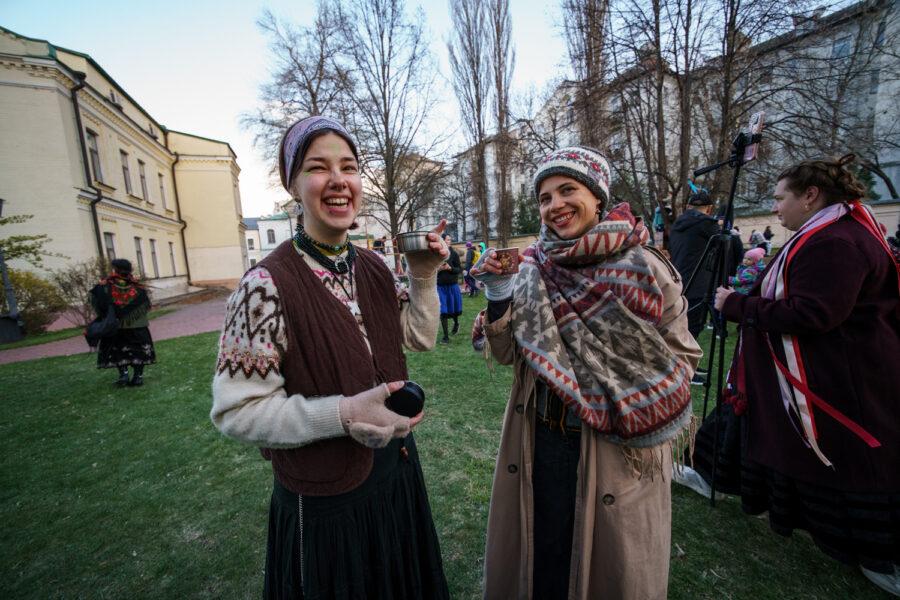
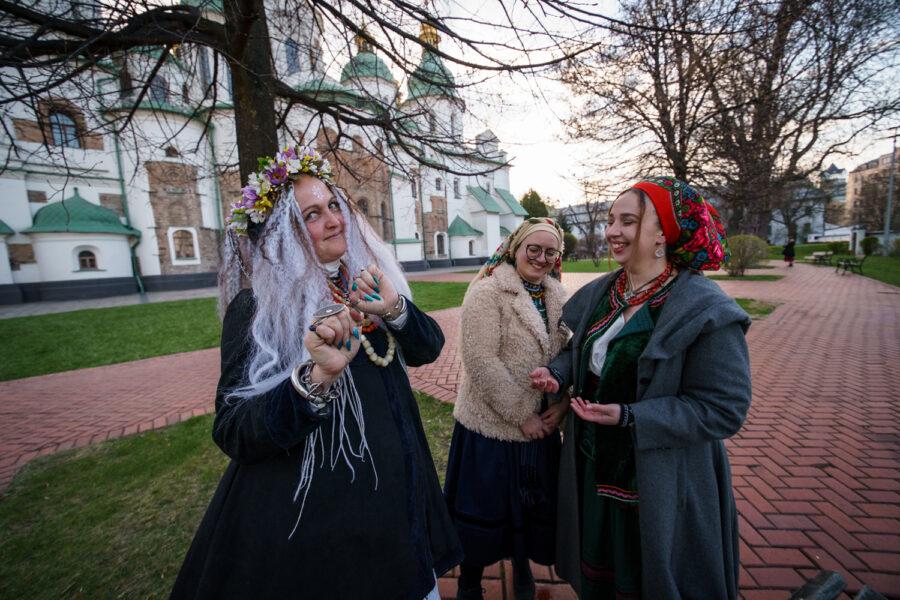
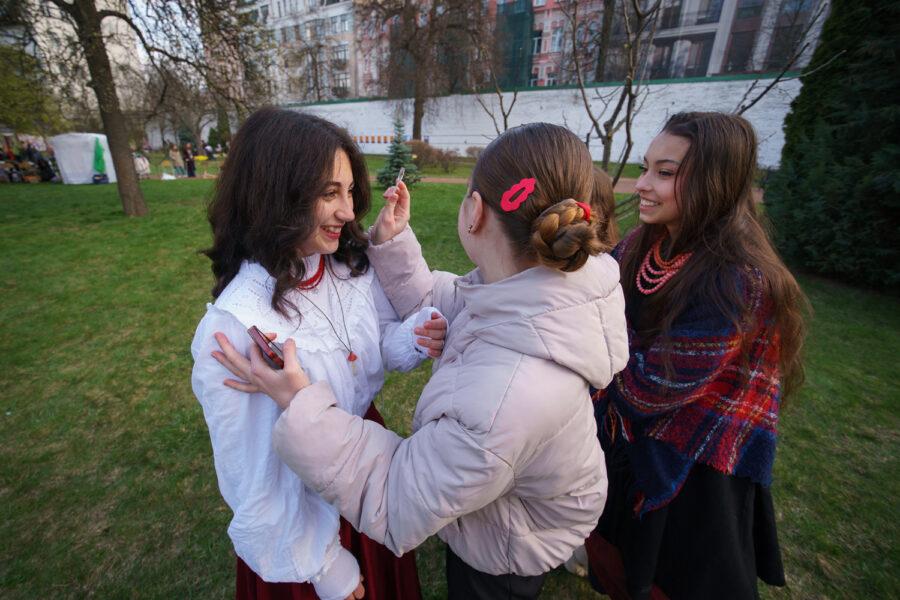
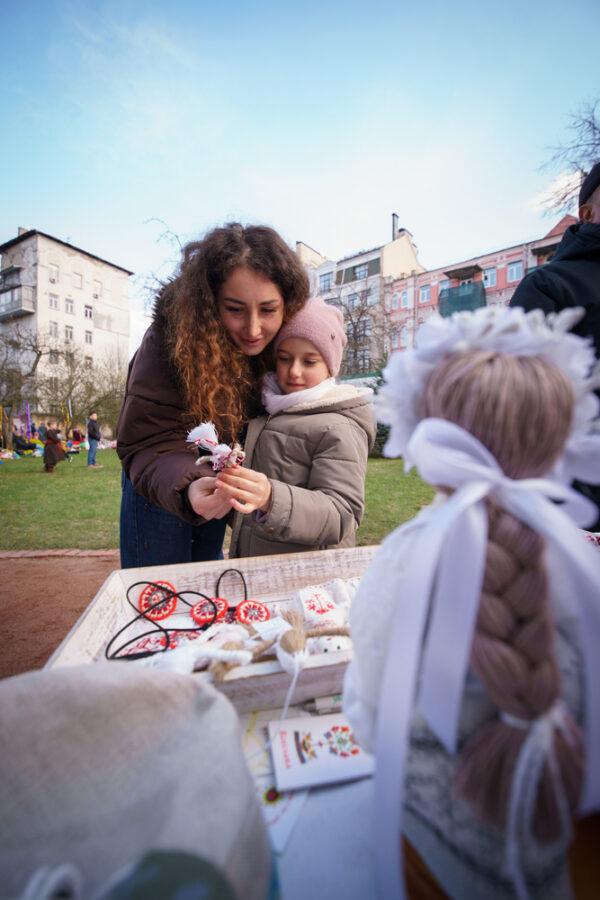
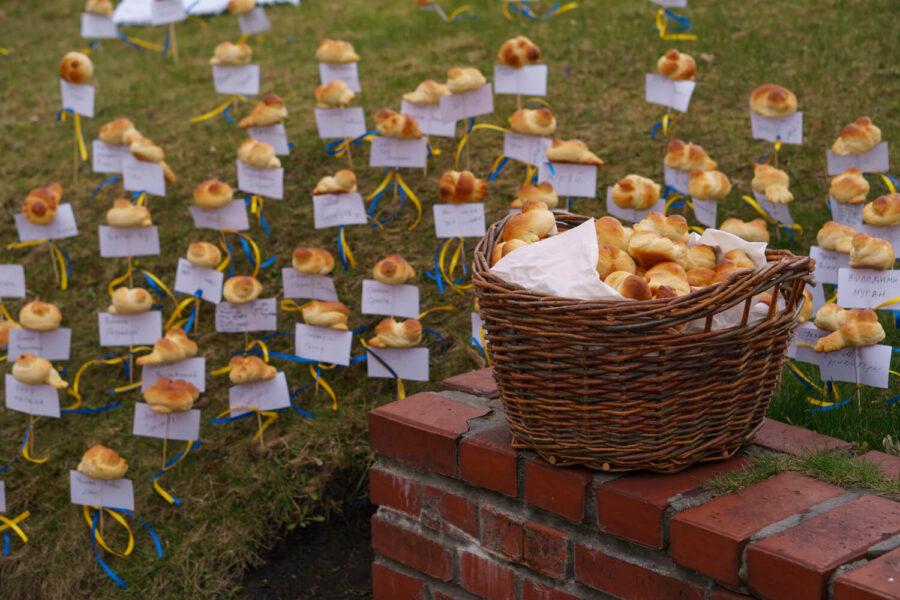
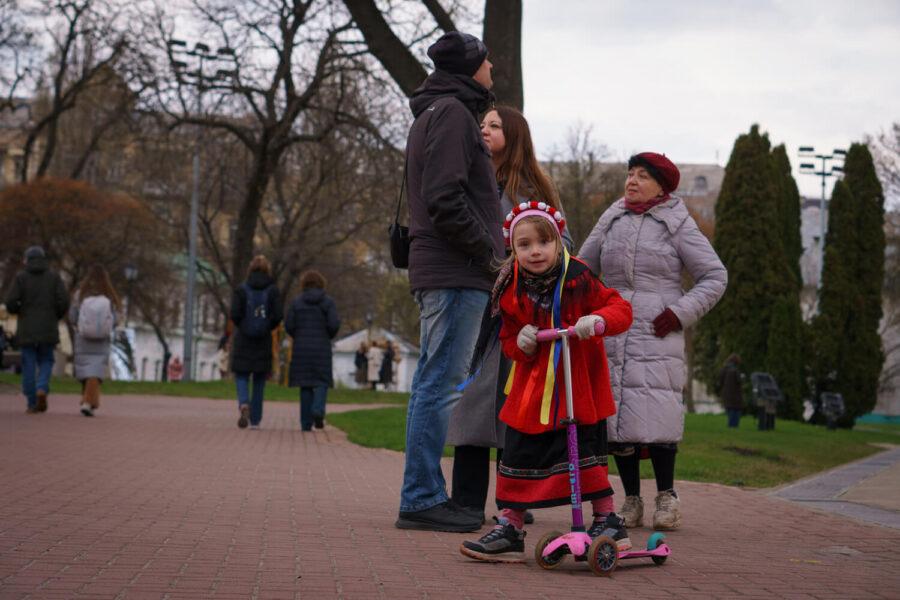
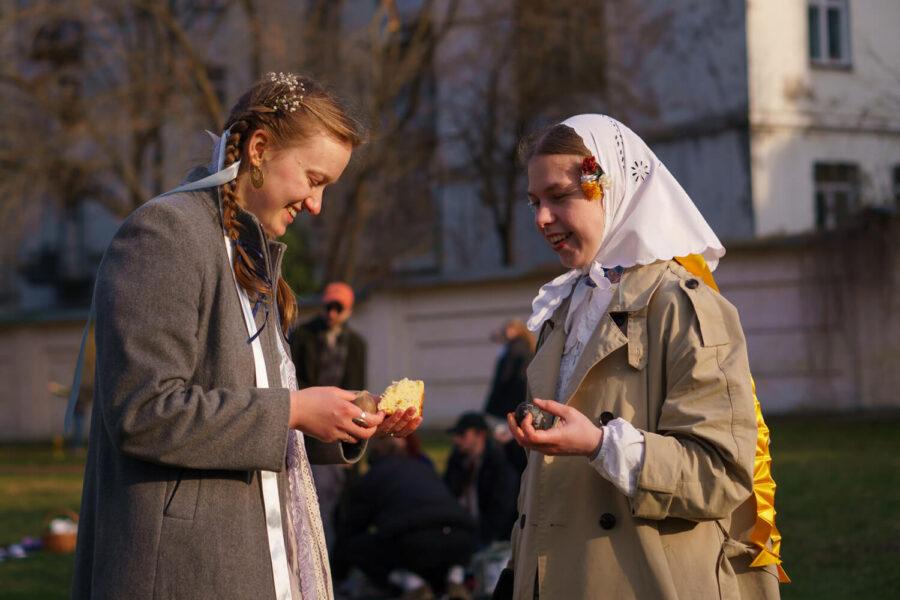
Bells rang over the reserve, accompanied by the sounds of the lira and kobza, spiritual chants, vesnianky, kanty, and psalms. Visitors arrived in festive attire, danced in circles, played with dyed eggs, ate outdoors despite the cool weather, explored works by folk artisans, and created together with them.
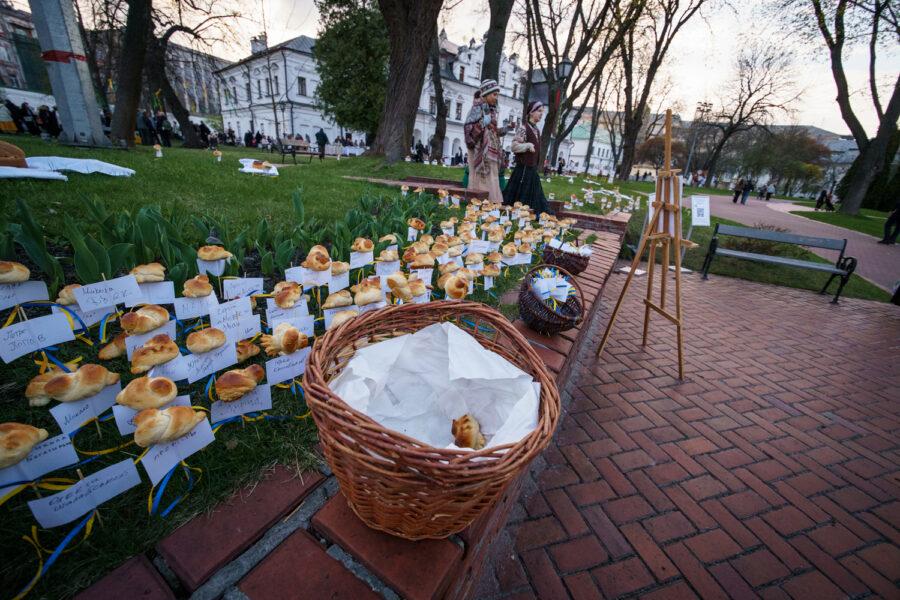
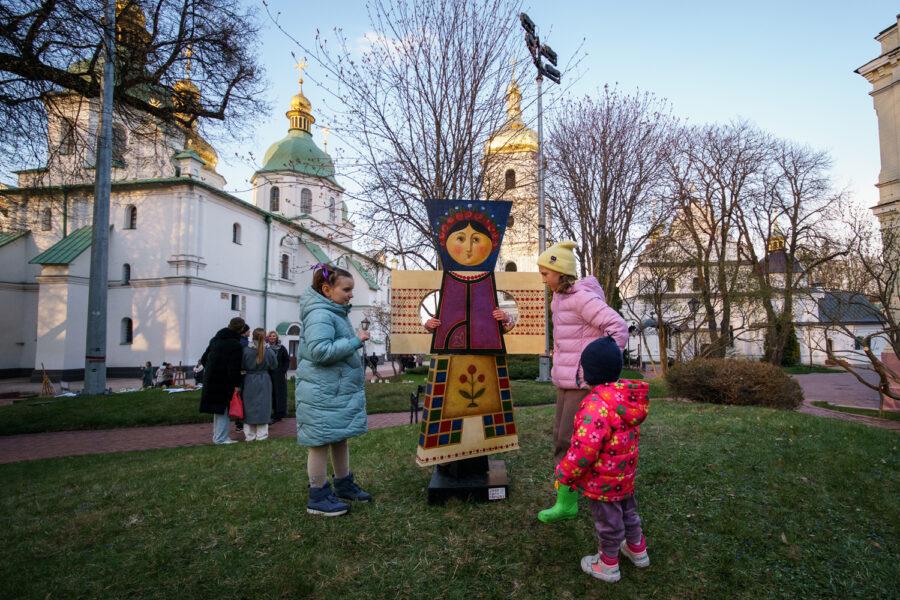
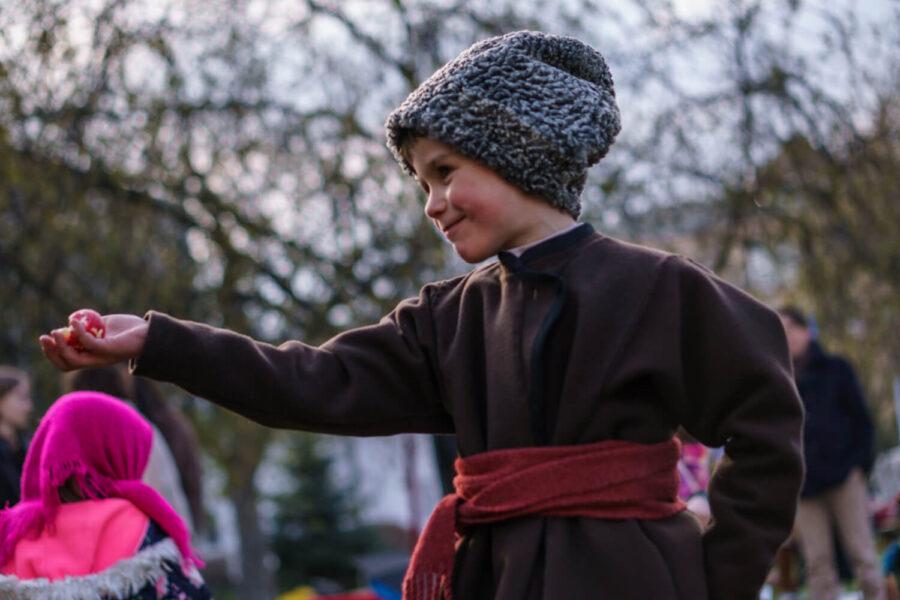
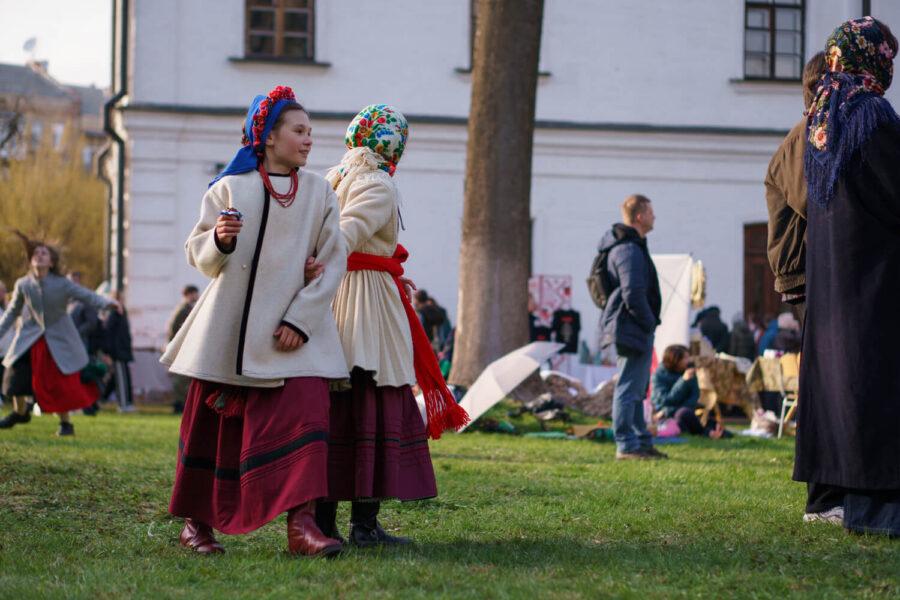
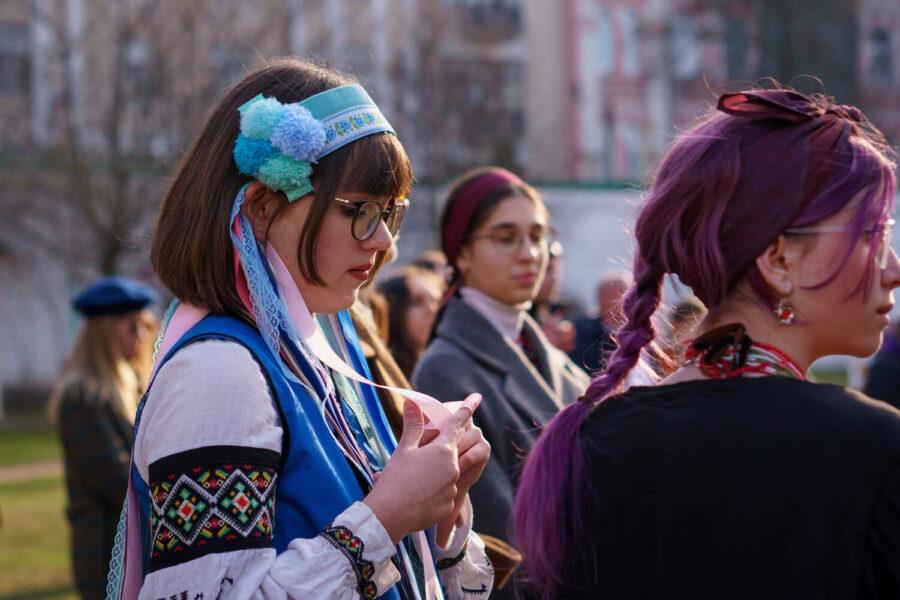
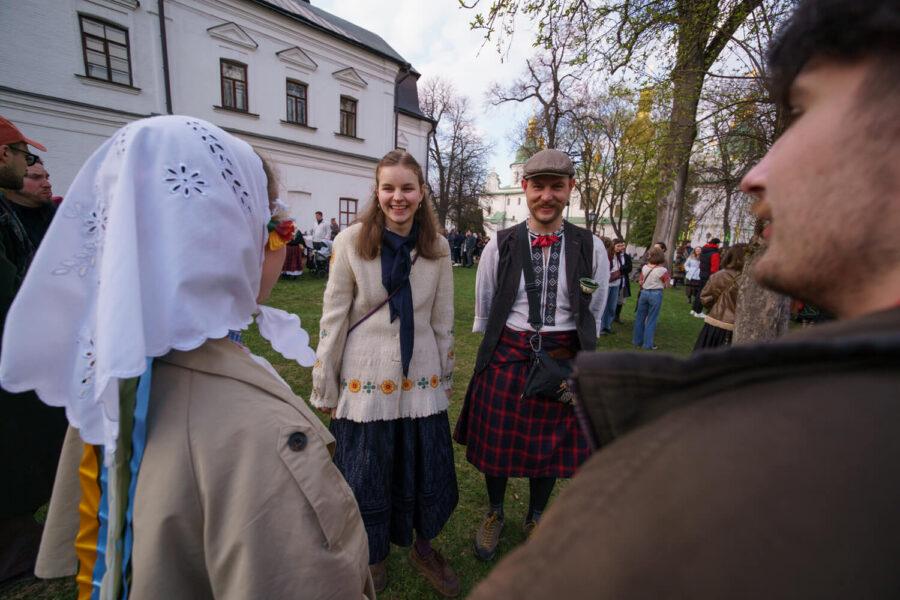
Main Easter services — at St. Michael’s Cathedral
Next is St. Michael’s Cathedral, the main cathedral of the Orthodox Church of Ukraine and the place of постоян service of Metropolitan Epiphanius.
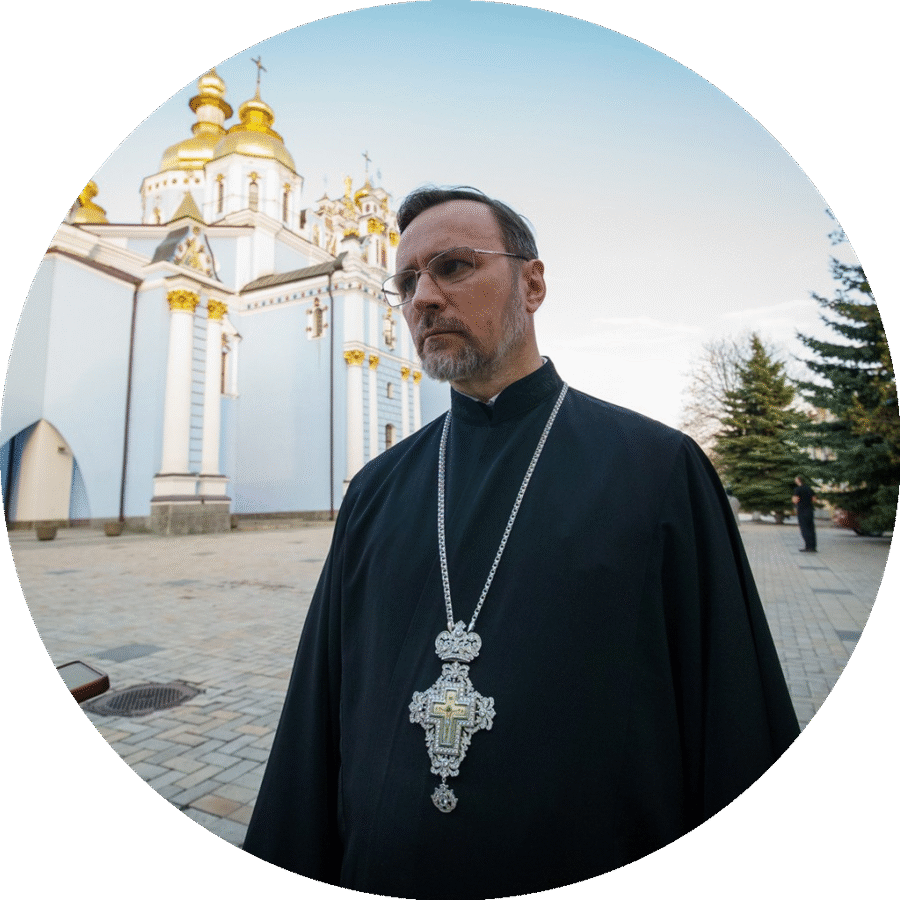 Archimandrite Lavrentii says that the history of St. Michael’s is indicative of Ukraine’s history, in which the Moscow system has tried to break and destroy our spirituality:
The cathedral was destroyed by the Soviet Union in 1937. It was rebuilt in 2000. But although this is a new building, spiritually for us it is the same cathedral founded by Prince Sviatopolk Mykhail in the 12th century. A place where prayer has always been heard. A place that sheltered Maidan protesters during the Revolution of Dignity. A place that became a hub for humanitarian aid to those affected by the war. It continues to be a place where prayers are constantly offered for our defenders, who carry out the courageous mission of protecting peaceful life in Ukraine. And, of course, prayers are said in достойного remembrance of those who gave their lives defending their country and people”.
Today, Father Lavrentii is comforted that, despite the war, the cathedral continues to hold the Easter night service in accordance with the Orthodox liturgical rules:
“Although it is not easy for parishioners. After the night service, people are forced to stay in the church until 5 a.m. Until the curfew ends, they cannot return home. But we also accommodate parishioners: in addition to the night service, we also hold a Paschal Divine Liturgy at 9 a.m. So that those who could not attend at night can also pray on this day and bless their Easter bread”.
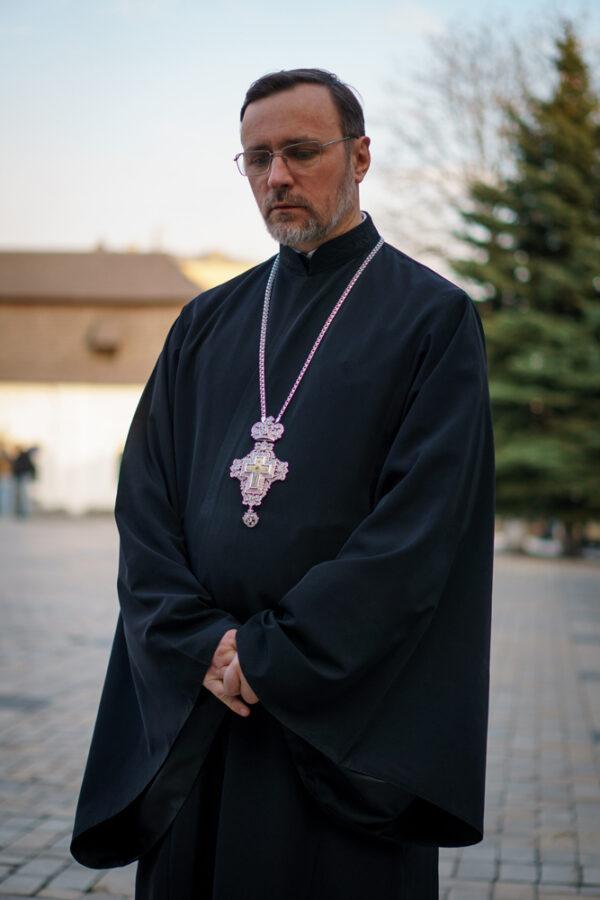
The archimandrite recalls the first year of the full-scale invasion. Back then, one of the most common wishes was to celebrate the next Easter in peace:
“But, unfortunately, for more than one year now we have had to celebrate under the threat of enemy missiles. Yet despite these terrible circumstances, every time I look at the people who have come to the church — despite being tired, often frightened, and worried about their relatives who remain either under occupation or in combat zones — I see that the feast of Christ’s Resurrection still gives them a sense of joy and the ability to look toward a bright future. It unites people. Preserving traditions that connect us with what is now a former state of peaceful life helps maintain confidence in our hearts that this path will be restored. And the Feast of the Resurrection is perhaps the most fitting for this”.
From the front line to the capital
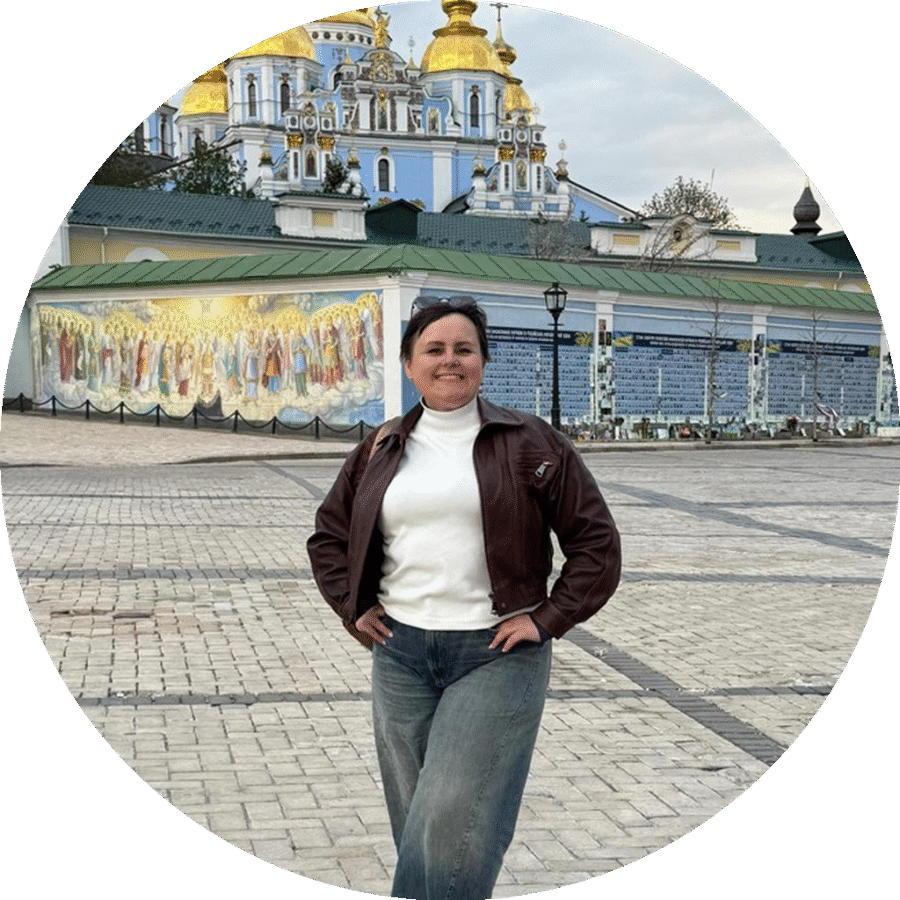 For Oksana, a servicewoman deployed in the intense Zaporizhzhia direction, the most memorable part of Easter in Kyiv was her visit to St. Michael’s Cathedral, which she saw for the first time:
“Kyiv is a very beautiful city in general. But when I entered St. Michael’s Cathedral — there was such peace, such silence, I was amazed. Of course, it is very beautiful. But that’s not the main thing. I bought a candle there, lit it, and stood for a while — there is a very good atmosphere there; it feels like I left all my anxious переживання there”.
Oksana is a staff sergeant of the 3rd category in the social support group of the civil-military cooperation (CIMIC) headquarters of the 3rd mechanized battalion of military unit A4007. She serves 20 km from the line of contact. Her work mainly involves supporting wounded soldiers on the front line during their treatment.
This year, the young woman celebrated Easter at war for the first time, and by the evening she already had the chance to celebrate it in Kyiv:
“Life goes on both there and here. Only there it’s constant air raid sirens, Shahed drones, UAVs… And here it’s calmer. Yes, there are air raid alerts here too, but life is bustling. Although when I was walking today on Mykhailivska Square, I saw so many of our fallen soldiers — from 2016, from 2014, and from 2022 — it just gave me goosebumps. It’s very chilling, and it’s very painful that Russia is doing this to us”.
Oksana is originally from Pochaiv. This is only her second time in Kyiv. She is currently here for training in advanced courses in social support service:
“I’m learning how to interact with the wounded, with families of the missing, with families of captured soldiers, or with soldiers who have been released from captivity. And also with the families of fallen comrades. The courses are taught by lawyers and people who have been working in this field since 2014”.
The staff sergeant notes that for her, as a service member, the capital of her homeland is extremely important:
“I remember the day when, at the beginning of the great war, we all prayed for Kyiv to stand, even though I was abroad at the time. Because if there is no Kyiv — there is no Ukraine. Our capital is very important and very beautiful”.
Where Easter is felt most strongly
 Another interviewee, Oleksandr, says that they came to central Kyiv primarily to see the cathedral. They celebrated Easter on the Left Bank, and came here separately afterward. What impressed him most was St. Michael’s Cathedral. According to Oleksandr, there are many churches in Kyiv that can be visited, but here the festive atmosphere is felt especially strongly.
“This is the main church of Ukraine. Yes, you can really feel it”, he explains.
This is what Easter in central Kyiv looked like this year: with bells, circle dances, festive clothing, quiet prayer, and remembrance of those who are no longer nearby. The war does not disappear even during the holiday, but the holiday does not disappear despite the war. And perhaps it is precisely in this persistent ability of the city to live, remember, and gather together that the true meaning of Easter is felt today.
Photos: Roman Chyhrynets