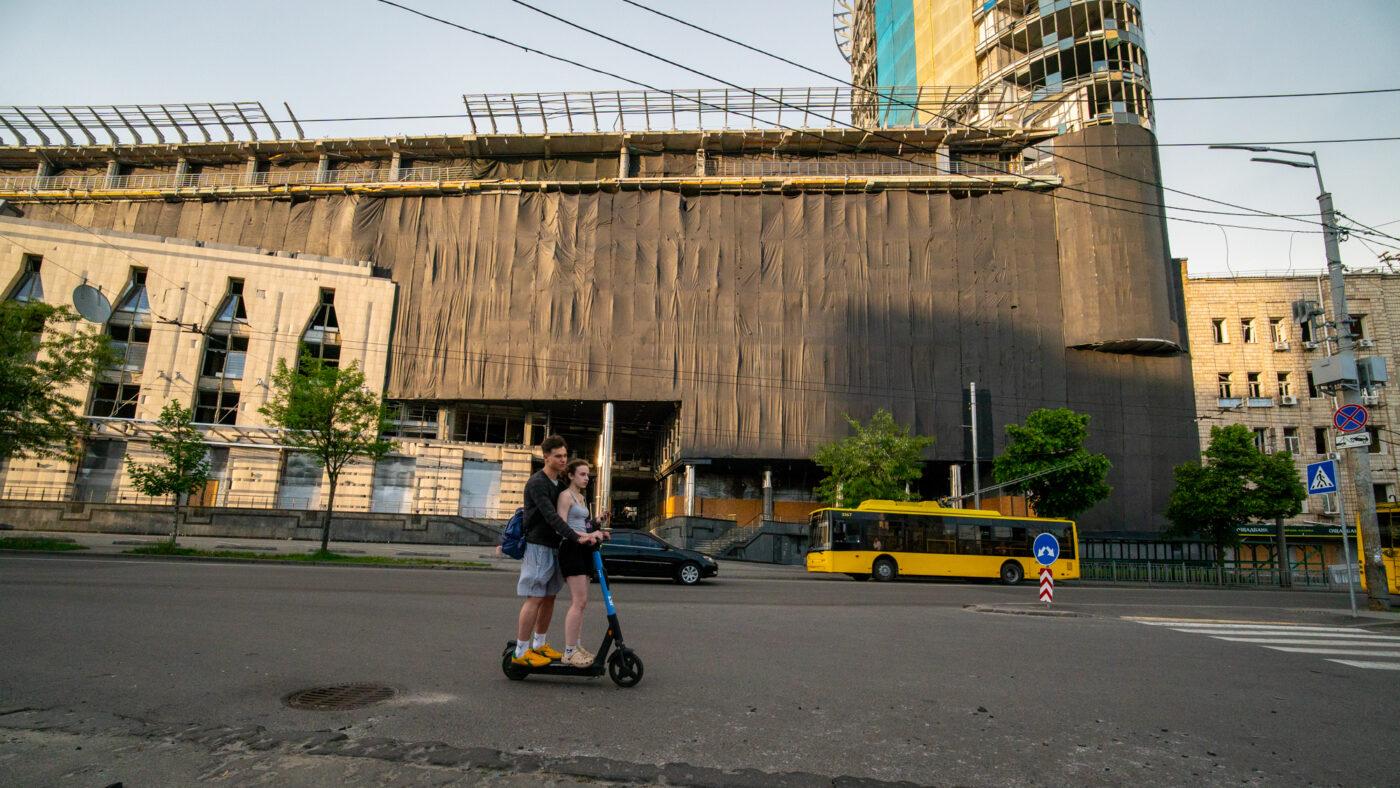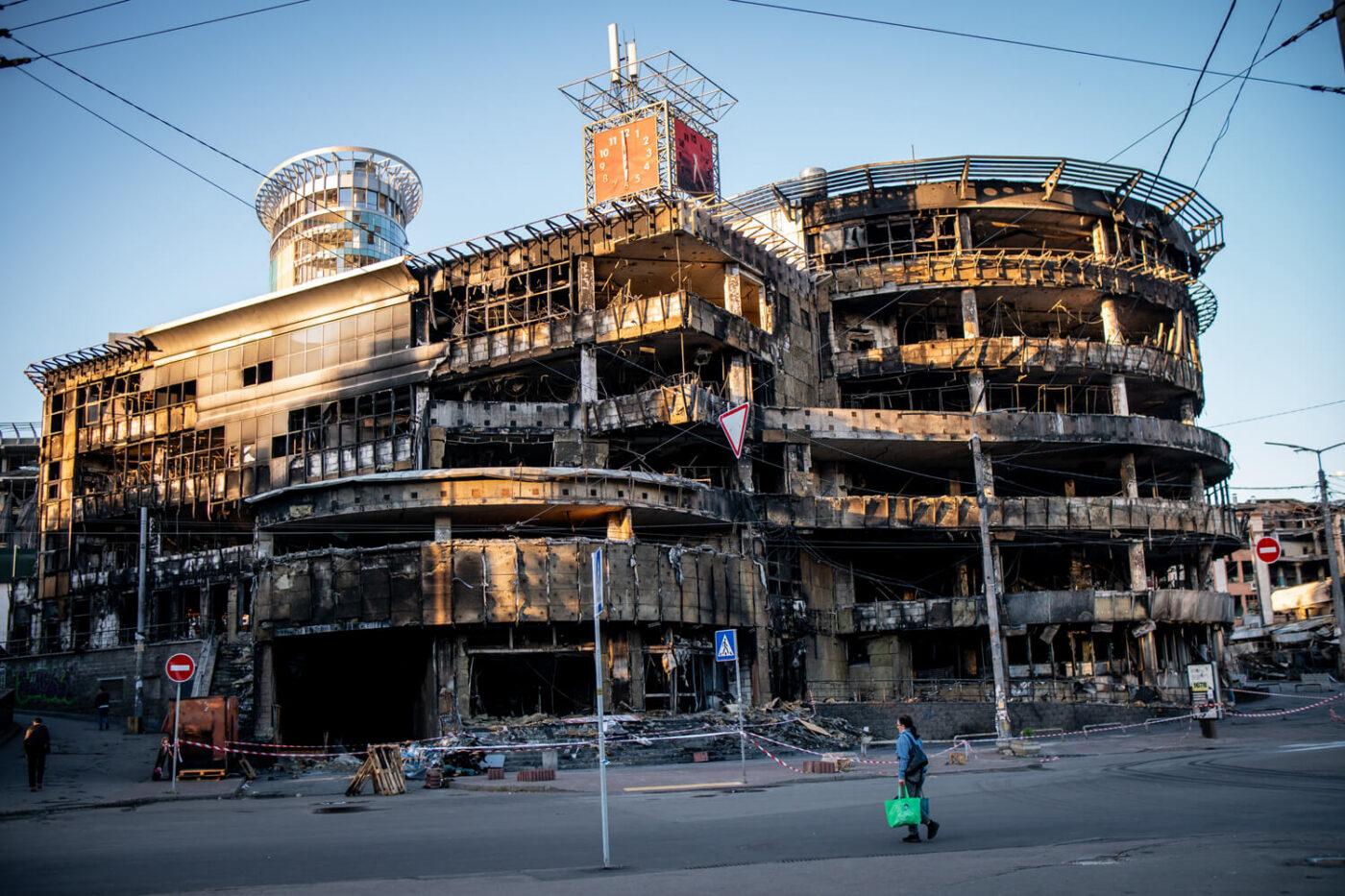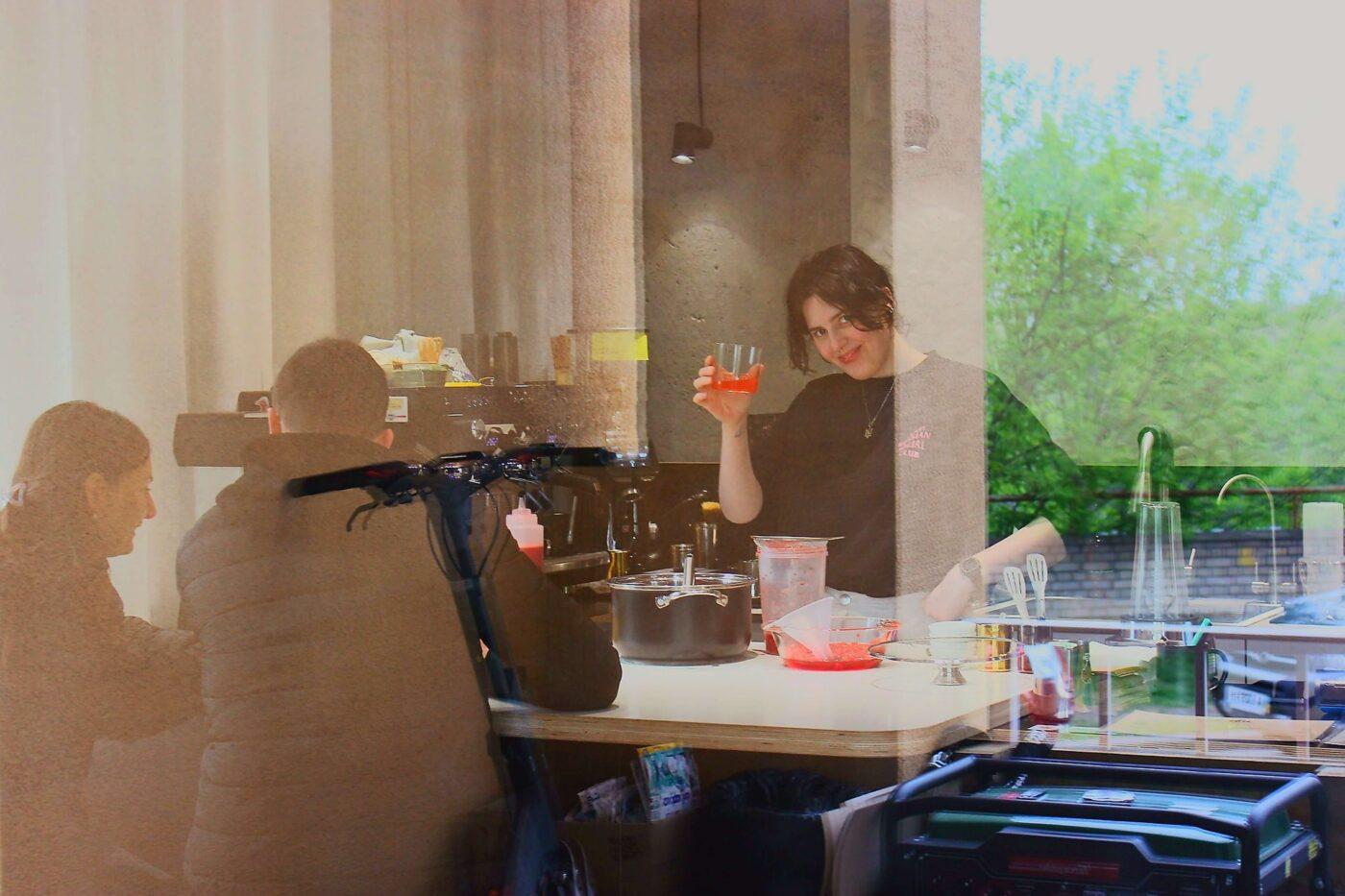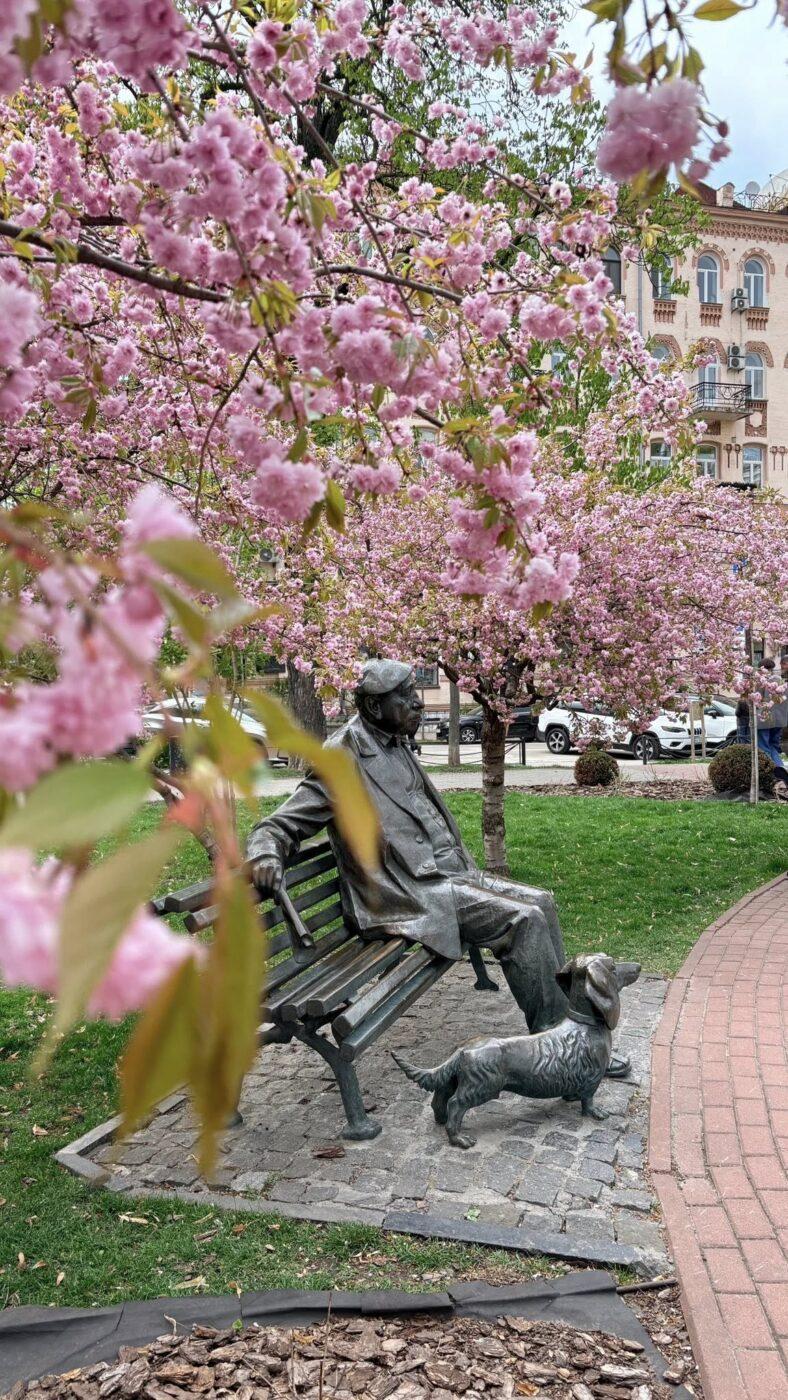

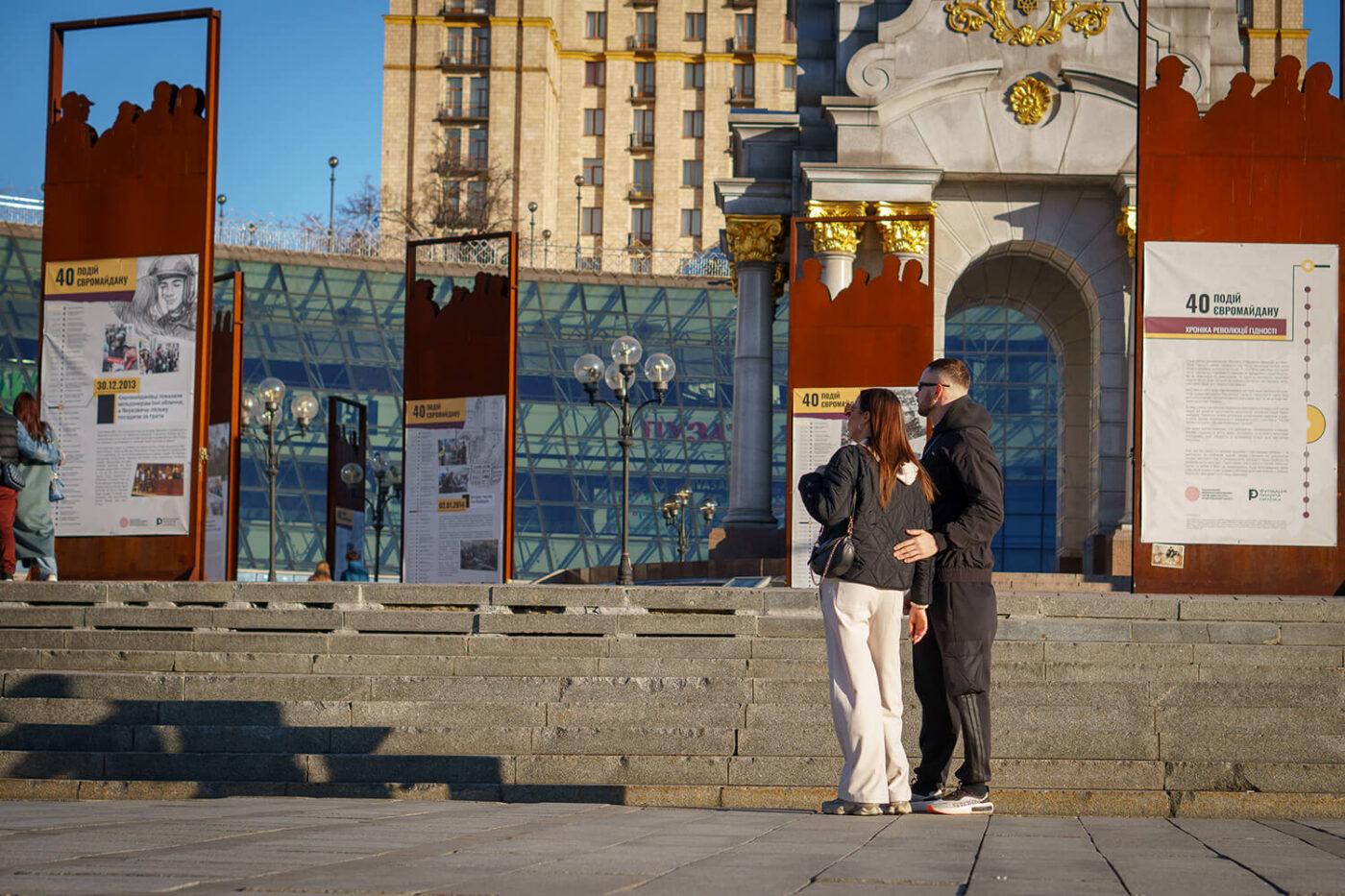
Spring has returned to Kyiv — after a harsh and exhausting winter for Ukraine. Against the backdrop of losses, shelling, and daily тревога (air-raid alerts), even the familiar change of seasons is perceived differently in the city. But does this spring bring Kyiv’s residents even a little relief?
Maidan Nezalezhnosti: where the pulse of Kyiv is felt most strongly today
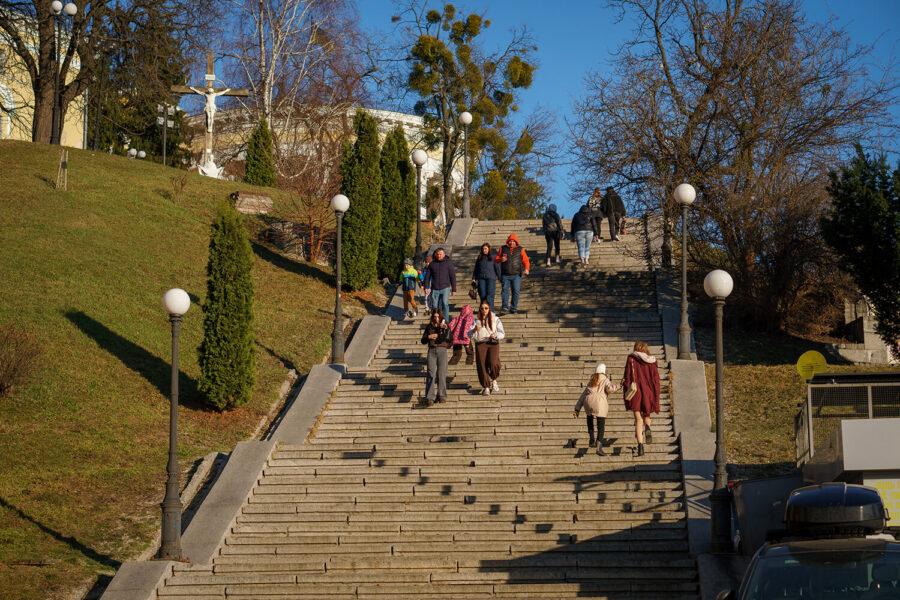
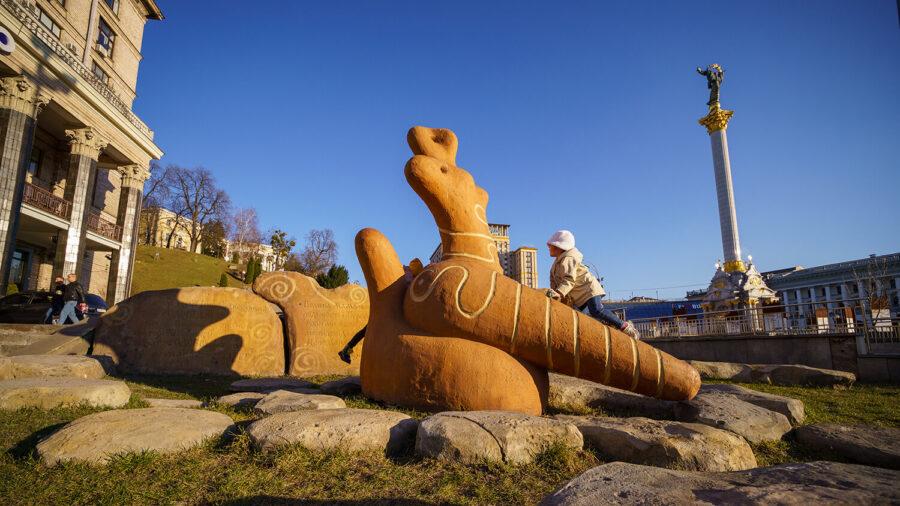
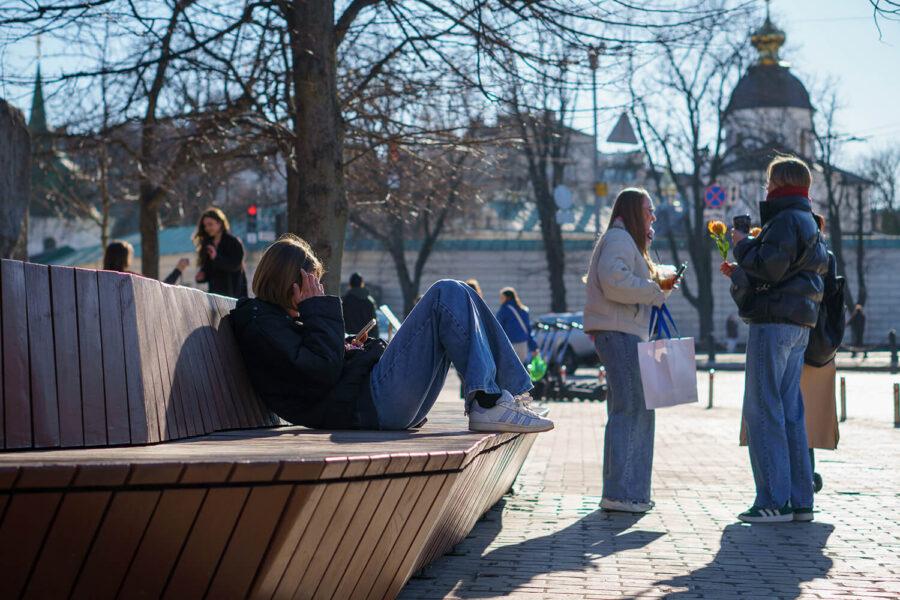
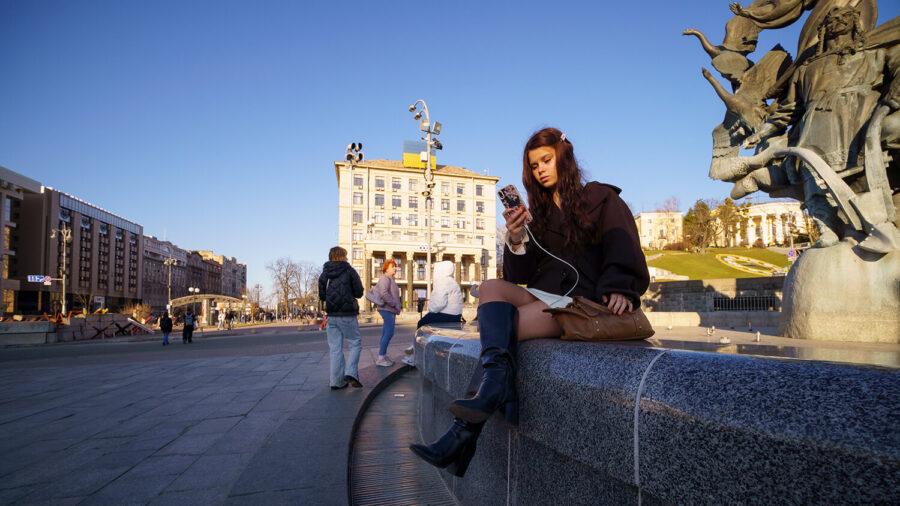
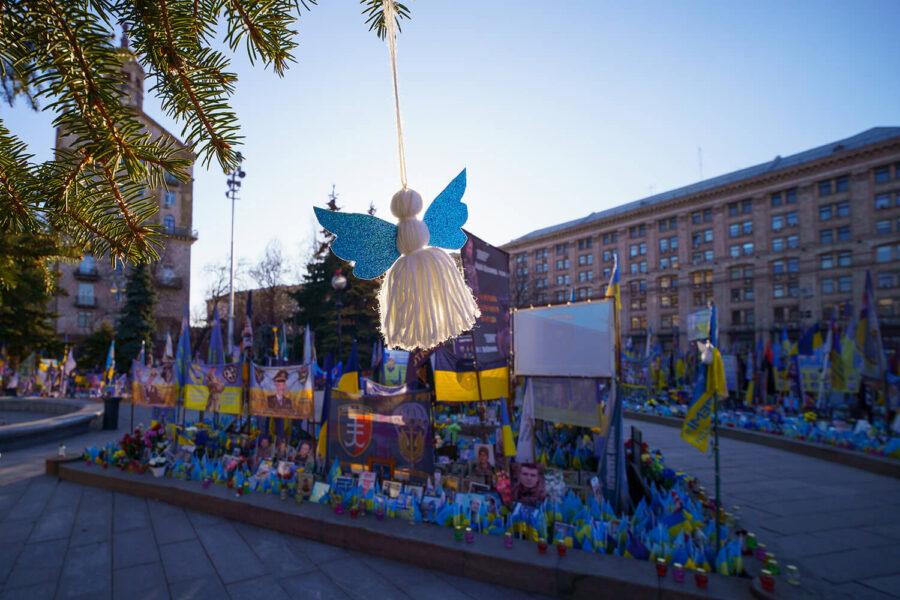
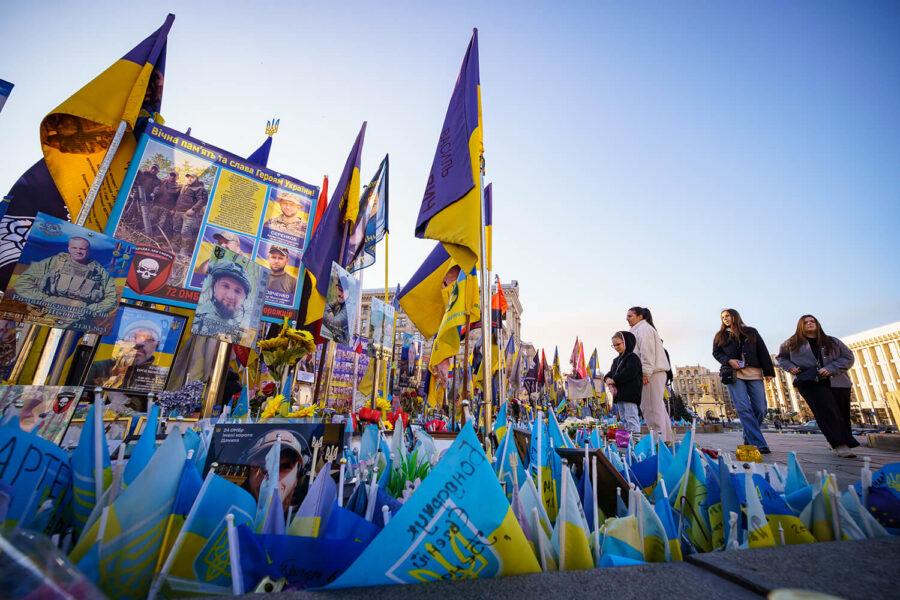
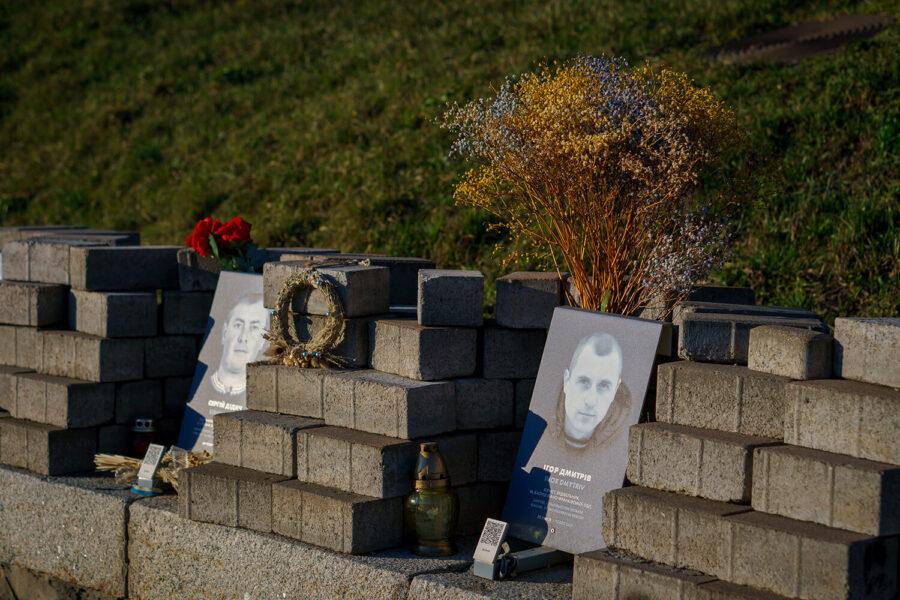
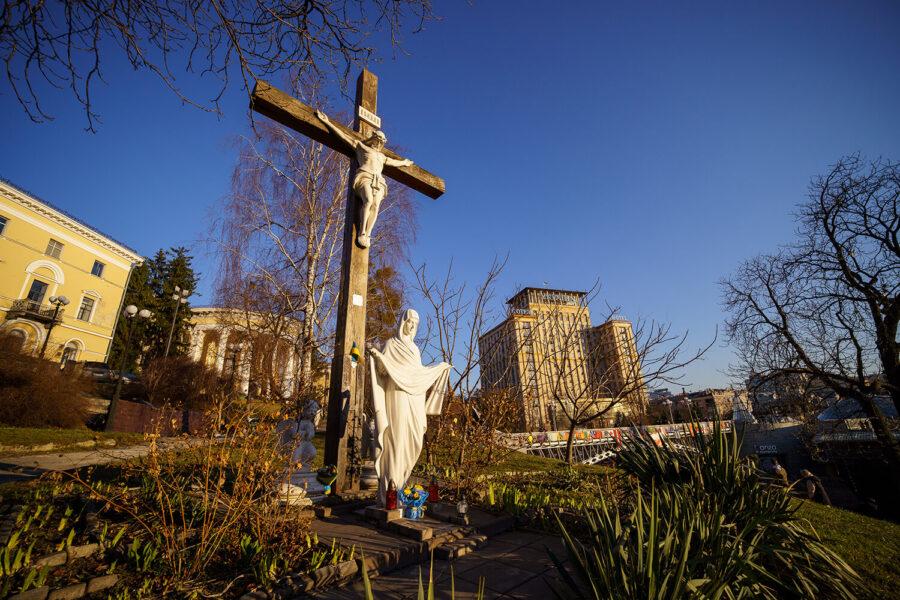
Maidan is no longer just a place for meetings and strolls — it has also become a space of memory. Its flowerbeds are filled with memorials honoring those killed in the war. Yet the sun still shines over Maidan. Life continues around it: someone smiles, someone pauses to take in the view of the city center from the hills, someone hurries to a concert at the October Palace. In this contrast, today’s Kyiv is felt especially sharply.
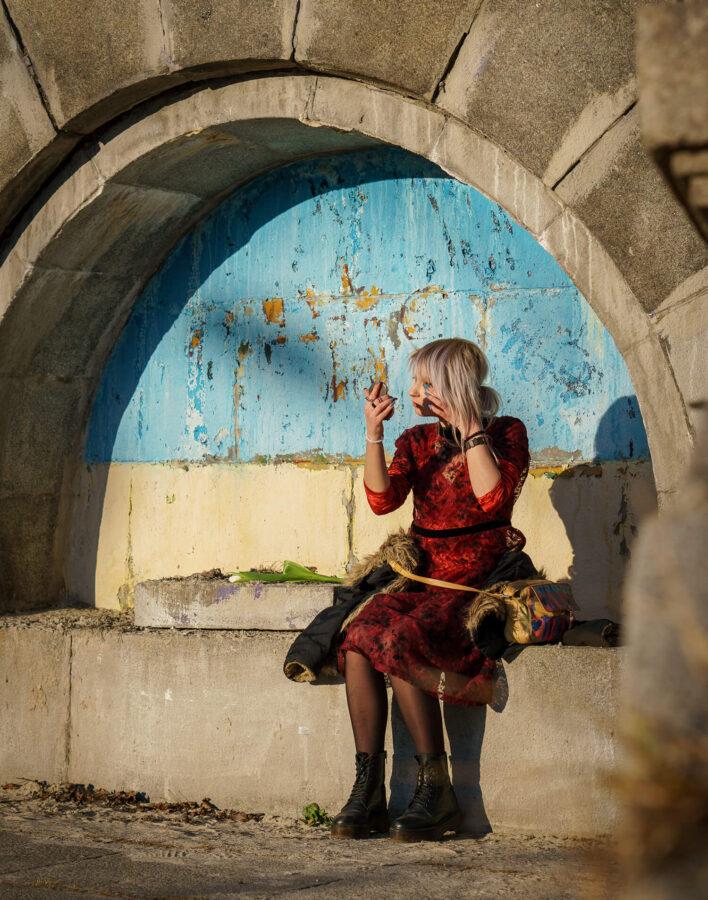
Anya, a journalist waiting for a friend, admits that this winter she fell into the deepest depression of her life — and only spring, in a strange way, managed to lift it:
“I’ve always struggled with winter. But this year, electricity could be out for several days. And I’m a freelancer: I don’t have an office with generators, and I only get paid for results. I won’t even mention the explosions and air-raid sirens… But the worst part was that I didn’t just lack the strength to pack up my laptop and search for ‘Points of Invincibility’ in the freezing darkness — I didn’t even have the energy to write when the power was on.
I was undergoing treatment with a psychiatrist, but it was difficult because one of his diagnoses was anxiety-depressive exhaustion, which requires rest. ‘With your indicators, in Belgium they would admit you to a five-star inpatient facility,’ he told me. ‘Working is not advisable.’ But I kept working, somehow lowering my perfectionist expectations. And I got through the winter.
With the arrival of spring, even my depression shifted from severe to almost mild — with the same therapy. Now I wake up in the rays of gentle sunlight and feel inspired to work, even to launch new, unconventional projects — and even to enjoy this new spring in Kyiv… I believe that, in the end, good will always overcome evil.”
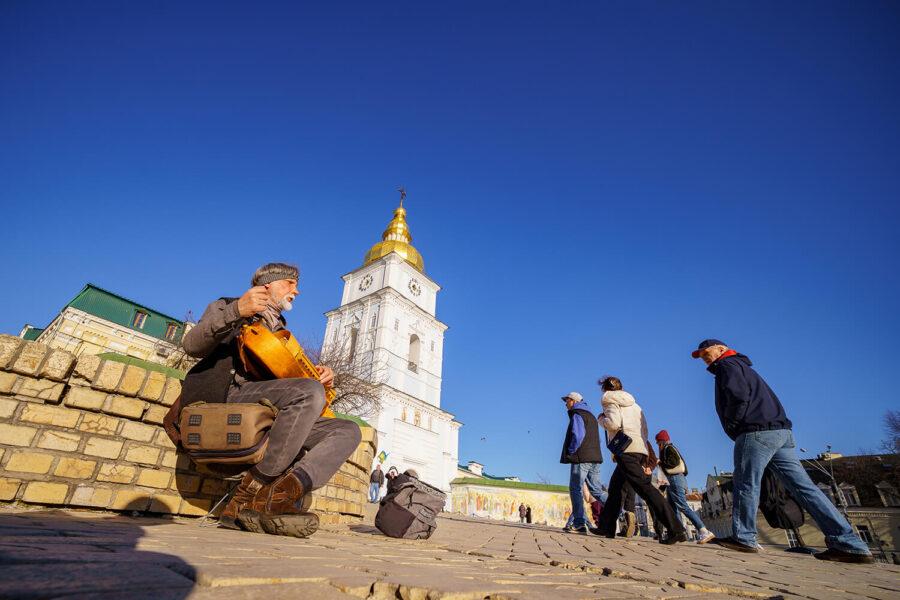
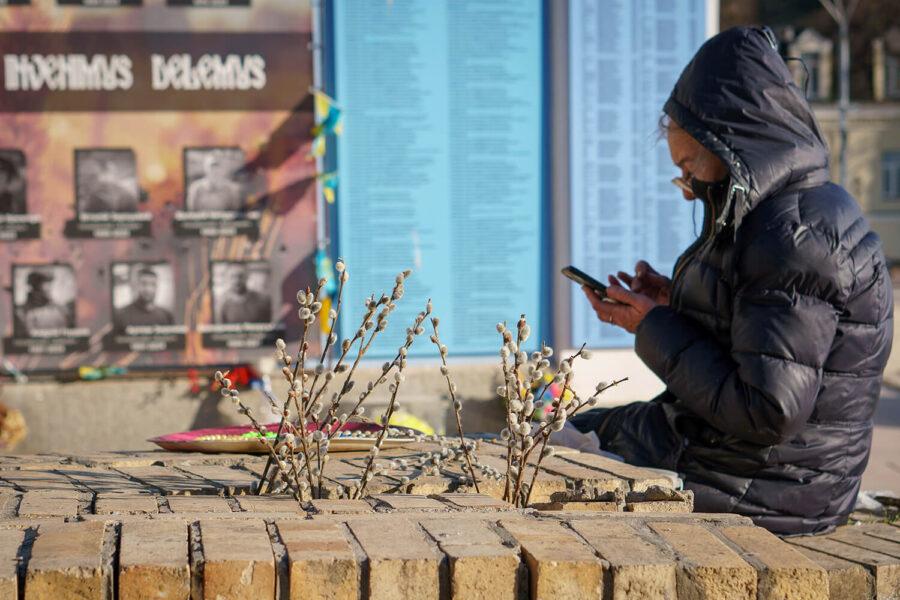

Spring as a psychological resource
 Psychologist and psychotherapist Bohdan Vlasov explains that seasonality truly affects our psycho-emotional state on physiological, sensory, and subjective levels — especially winter in wartime Kyiv:
“Our sensations become dulled, frozen: less light and movement, short days, grayness and colorlessness, cold, the psychological atmosphere, shelling, the news, the focus on the hardest winter in Ukraine’s history — all of this tuned our bodies and minds into survival mode.
A side effect of emotional ‘freezing’ is that, along with anxiety, depression, and tension, pleasant emotions are often muted too: interest, joy, a sense of self. Yet we often continue to demand the same productivity from ourselves. And then an internal conflict arises — between our real state of exhaustion and the expectation to keep going.”
At the same time, springtime Kyiv itself can become a psychological resource:
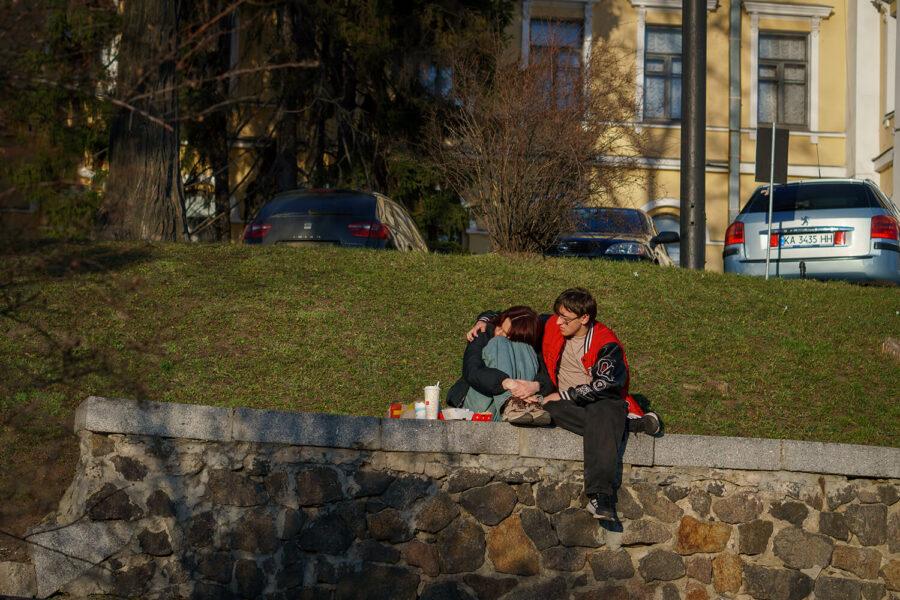
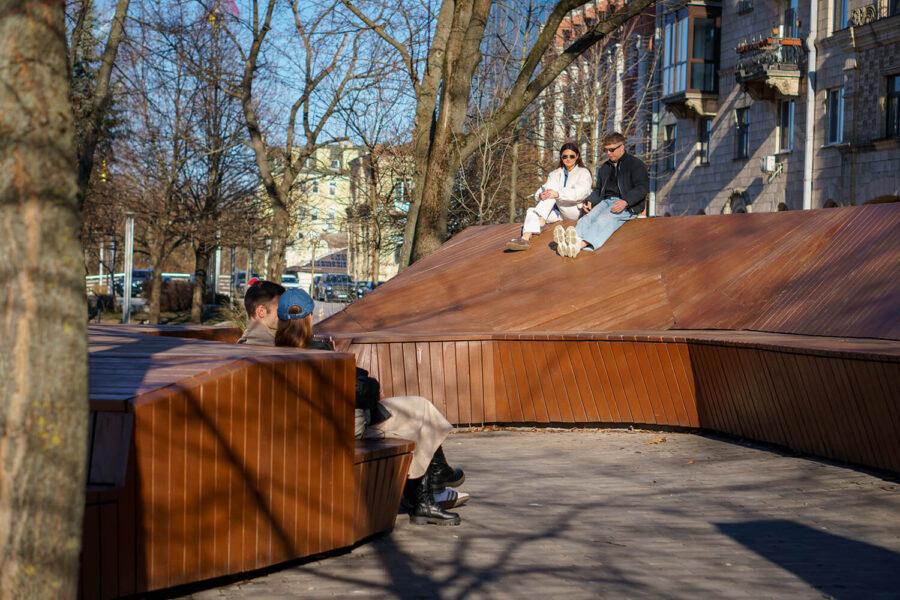
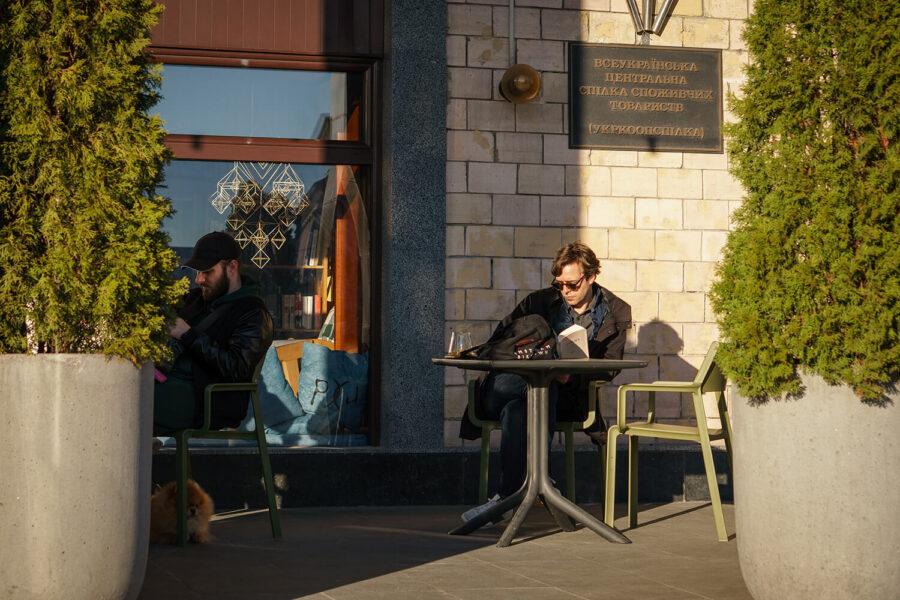
“The city comes alive after winter: people move more, the sounds and smells of spring appear, and the first light walks outdoors. This creates a sense that life goes on and that there is space for personal meaning and inner life.
In spring, life returns: we made it through, the ‘fierce winter’ gives way to March, the sun warms more, ice and snow melt, the spring equinox arrives, and the days grow longer. In our reality, this is felt even more strongly.”
War against spring
 Climb a little higher — and you reach the Alley of the Heavenly Hundred. Dozens of photographs show the bright faces of those who died here before the full-scale war, becoming the first to resist authoritarian aggression aligned with Russia.
Officer Viktor Hrysiuk, of the 110th Separate Mechanized Brigade, “stood his ground” on that Maidan — and the earlier one in 2004. He met this spring fighting for Ukraine’s territorial integrity in the Zaporizhzhia direction.
“War continues regardless of the season — it has no days off or holidays. Yes, the warm season is better than the мороз (cold), which brought its own challenges: people had to think about how to avoid getting sick, how to stay warm, and how to preserve heat. But spring also has two sides.
The greenery provides our forces additional camouflage but also makes it harder to detect the enemy, evacuate the wounded, and manage logistics — especially with ground robotic systems. So everything depends on many factors and how quickly we can adapt.”
Even on the front line, he tries to catch moments of springtime happiness:
“There’s more green, more chances to feel the sun on your face, breathing becomes easier — and you want to believe in something better.”
For several years now, Viktor has dreamed of simply walking the streets of Kyiv again:
“The heart of the country — our capital — I always remember it with awe. I’m not a native of Kyiv; I’m from Volyn, but I lived in Kyiv for several years and always returned here inspired. It’s a majestic city with history and an incredibly powerful culture.
My spring in Kyiv is spent walking along the Landscape Alley, visiting the ravens on Reitarska Street, and meeting friends in Rusanivka… I hope there will be many more opportunities in the future to enjoy the courtyards of the capital and to attend countless interesting events in peaceful Kyiv.
But the most important thing is not places — it’s people. So I want more of my friends to stay alive so that we can walk together in a free Kyiv — that is my main dream.”
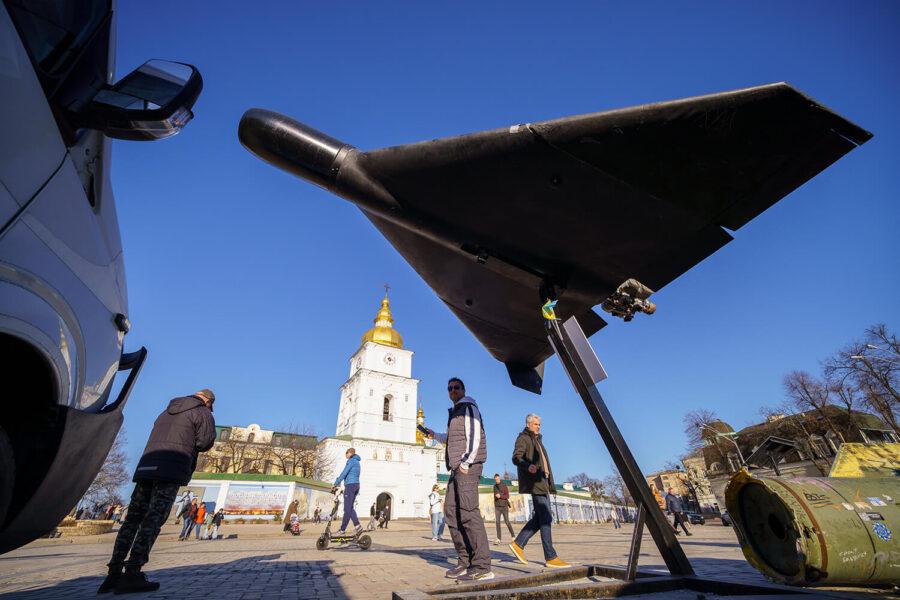
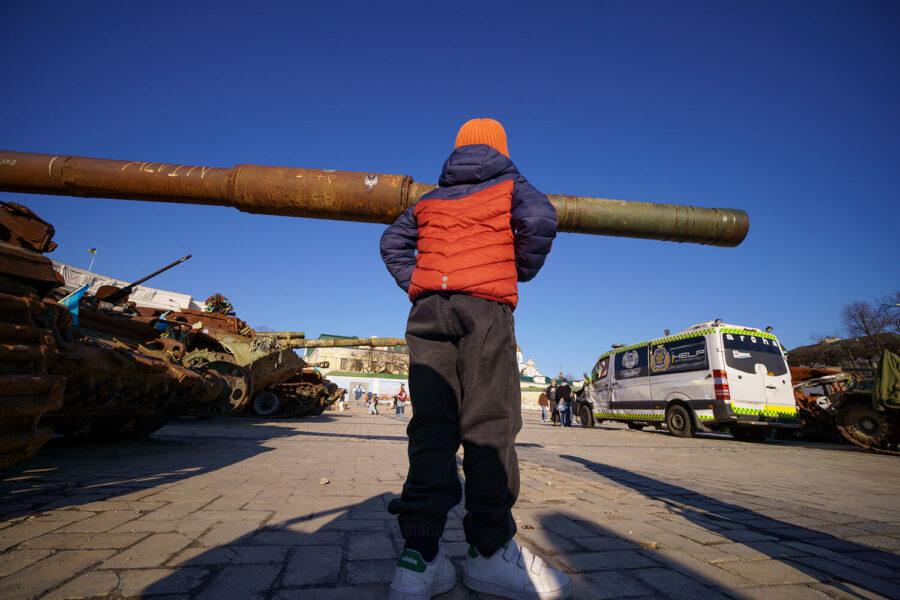
If you walk further from Maidan to Mykhailivska Square, destroyed Russian military equipment still stands there — meant to advance on Kyiv, but ultimately unable to capture it. The war, however, has not disappeared: the city continues to live under the threat of air attacks. People come here in silence, rarely agreeing to speak, leaving flowers and short messages — a sign of memory, pain, and anger.
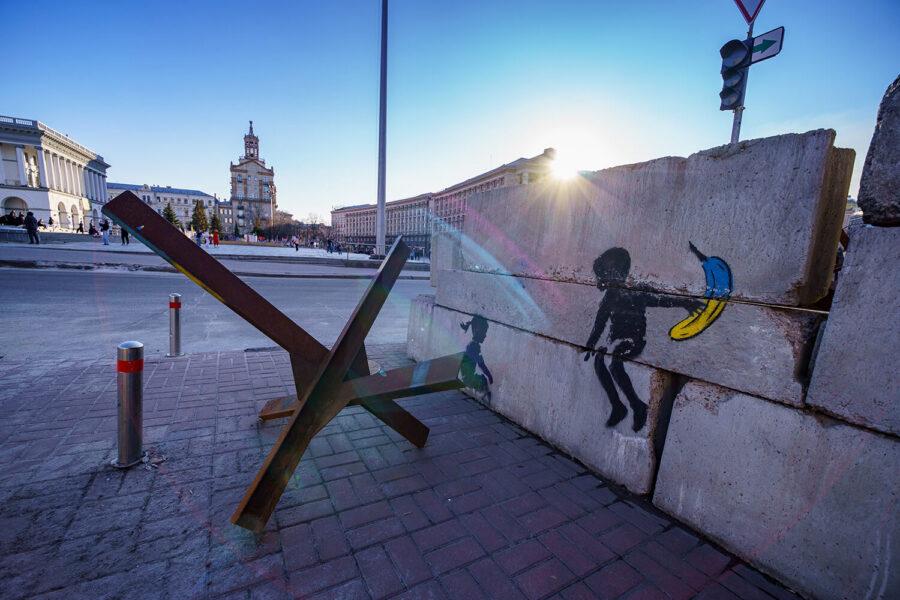
Yes, winter has ended — and emotionally, it has become easier. But in a report dated March 24, 2026, the United Nations states that Russian attacks on Ukraine are not subsiding — they are intensifying again. Each month, Russia deploys more than 5,000 drones and regularly launches missile strikes. Since March 19 alone, according to the organization, at least 25 civilians have been killed, and more than 130 people — including children — have been injured.
Photo: Roman Chyhrynec