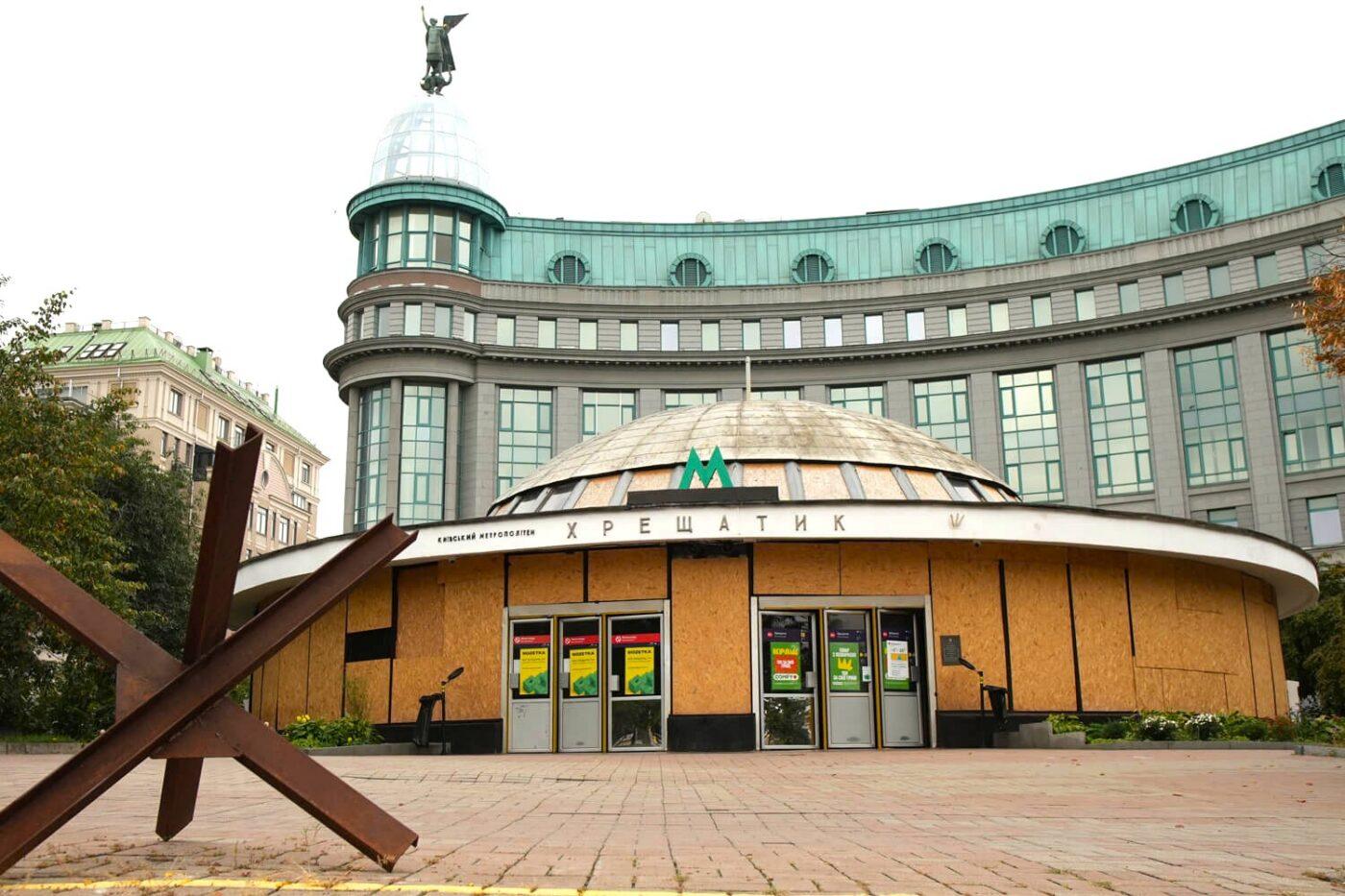
For more than a month now — ever since the international guests left after Ukraine’s Independence Day — Kyiv has been under air-raid alerts almost around the clock. Explosions and deaths are now an almost daily occurrence. Take this moment, for instance: a news item at 16:16 reads, “The total duration of air-raid alerts in Kyiv today has already passed 15 hours. Meanwhile, one UAV each is heading for Ukrainka and Kaharlyk.”
And yet Kyiv lives. Those most devoted to the city stay on amid the risk of Russia’s bombing campaign, and they try not merely to survive but to live genuinely. Which places in Kyiv help us most with that?
Svitlana Volnova: “I’m a woman as sturdy as an oak”
Kyiv’s fashion, cultural, and social life is unimaginable without Svitlana Volnova — a model, TV presenter, and co-founder of the Spiritual Wear brand. Of all the directions her work takes today, she names the study of the human soul as the central one, and she works as a coach.
How have you been coping lately with the increase in alerts and shelling?
I think everyone living in Ukraine has developed some immunity to the shelling by now. Psychologists say this is how the psyche protects itself from constant fear and exhaustion. But getting used to shelling doesn’t mean you stop feeling it.
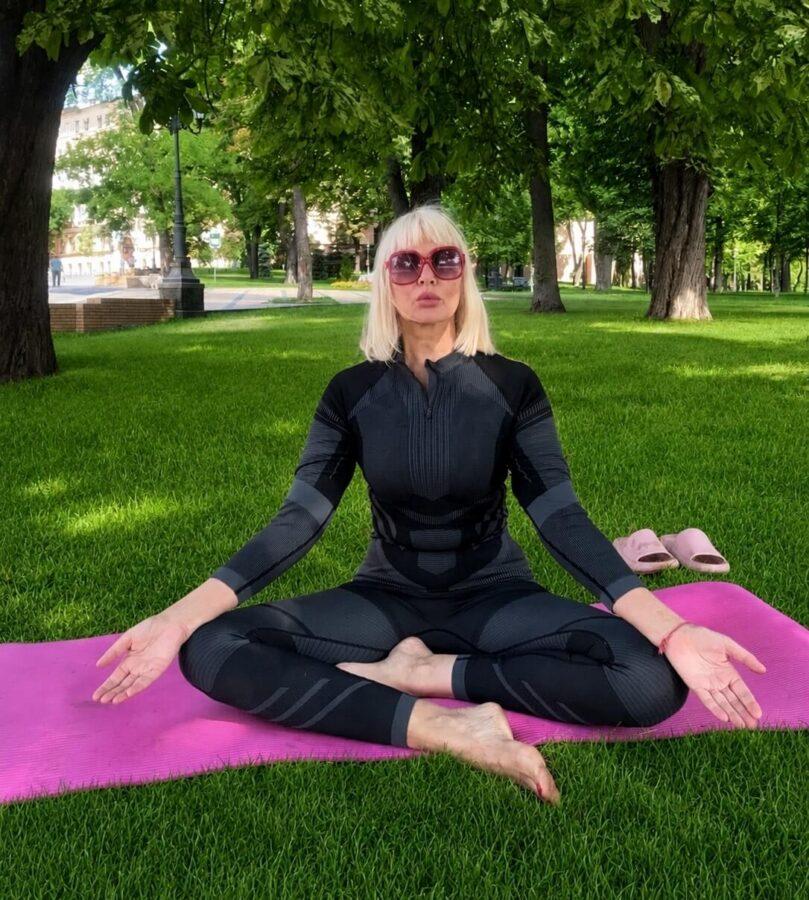
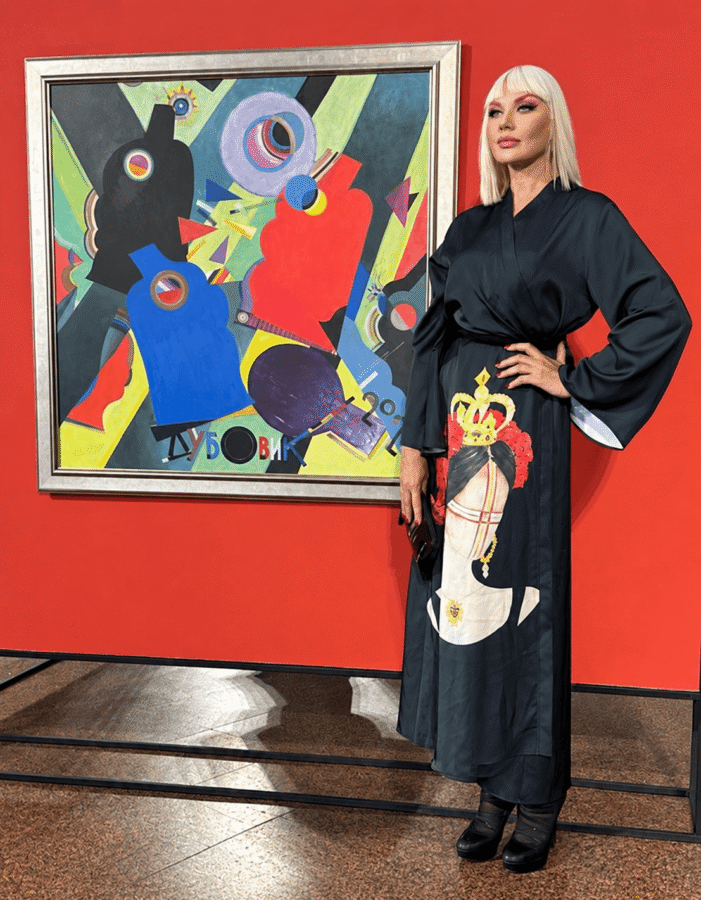
I’ve been lucky with a healthy psyche. I’m a woman as sturdy as an oak: shake me as much as you like; I still stand. That’s roughly the mood in which I pick up my mat and go to do yoga on St Volodymyr’s Hill. I studied yoga in India. I studied its philosophy and human anatomy there too. I breathe into my belly to calm myself, and, most importantly, I spend time surrounded by nature. Nature heals.
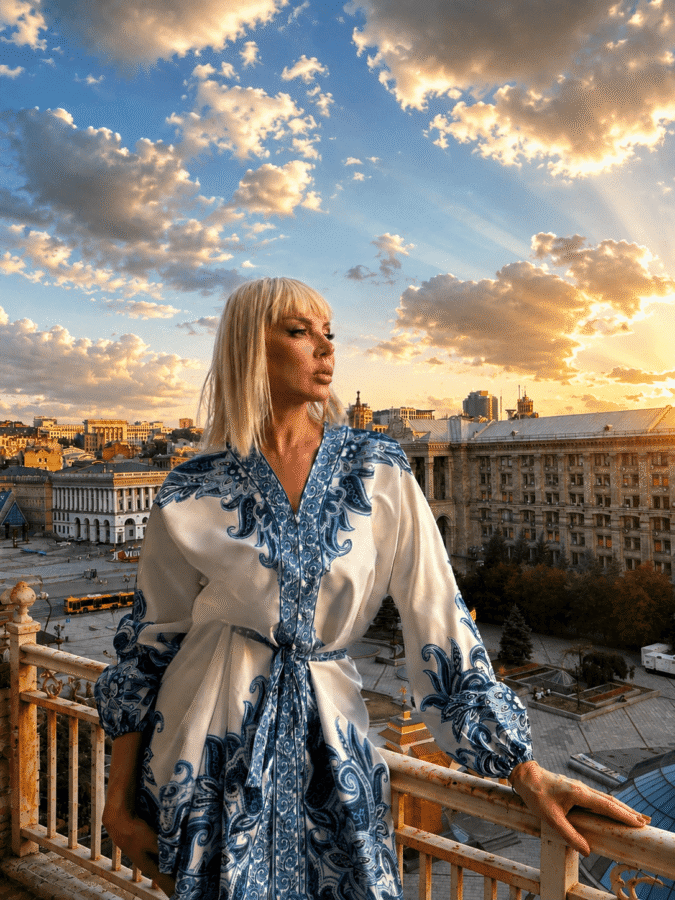
St Sophia’s draws me back again and again, too. I love getting out to Hydropark, or simply being among the pines.
And one more rule of mine: for the first two hours after waking up, I don’t look at the news. I’m training myself to live in fear as little as possible. That information marathon — “What’s incoming? Where is it heading? How many are there?” — is utterly draining.
Why don’t you leave for abroad, or for a safer city in Ukraine?
Honestly, I can’t imagine how I would live without Kyiv. Without my own walls, familiar streets, people I can simply come to and embrace. And it seems to me that I’m needed here more than I would be somewhere far from home.
Women come to me for rehabilitation. Sometimes I travel out myself and run sessions on stress resilience. We breathe, we move, we gradually recover a sense of ground beneath us. And every time I feel it: this is needed not only by them, but by me as well.
I can’t shake the thought that the most important thing in my life right now is happening precisely here, at home, in Ukraine.
You’ve kept pace with fashion, probably all your life — what does Kyiv’s fashion scene give you today?
I want to look at Kyiv’s fashion and social life through a creative lens: new projects, exhibitions, galleries, designers, and artists. I’m interested in what’s being made here, not in what’s being served at the latest restaurant opening. Because the red carpet and black caviar at the launch of yet another branch of some eatery look, to put it mildly, out of place right now. I want to see the city come alive and bring forth something new. And to be part of that — here, at home.
The brightest event of September for me was, without question, UFW — or, as the old hands call it, the Fashion Seasons.
Our designers, the ones creating here, have a particular nerve to them: boldness, inventiveness and a very precise sense of the moment. They’re far closer to me than the people who flew in from abroad simply to be seen at a show.
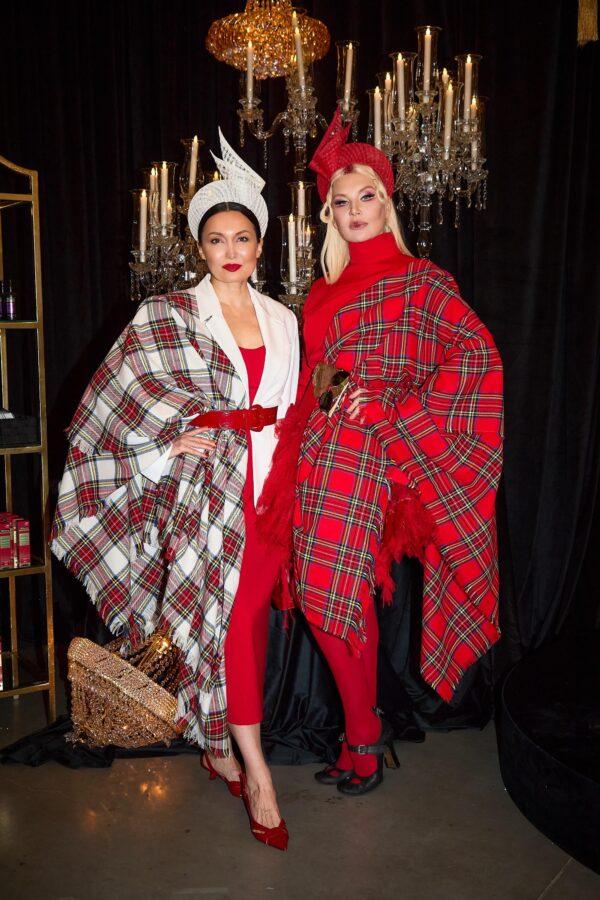
The UFW 2026 opening stayed with me for Yulia Kross and her transforming garments. And I’m glad that Marta Kholod, the hat designer, has come back from London. Now I can wear her masterpieces too, not just the London elite.
Your life in wartime Kyiv is also made up of exhibitions: which have enchanted you most lately, and perhaps given you support?
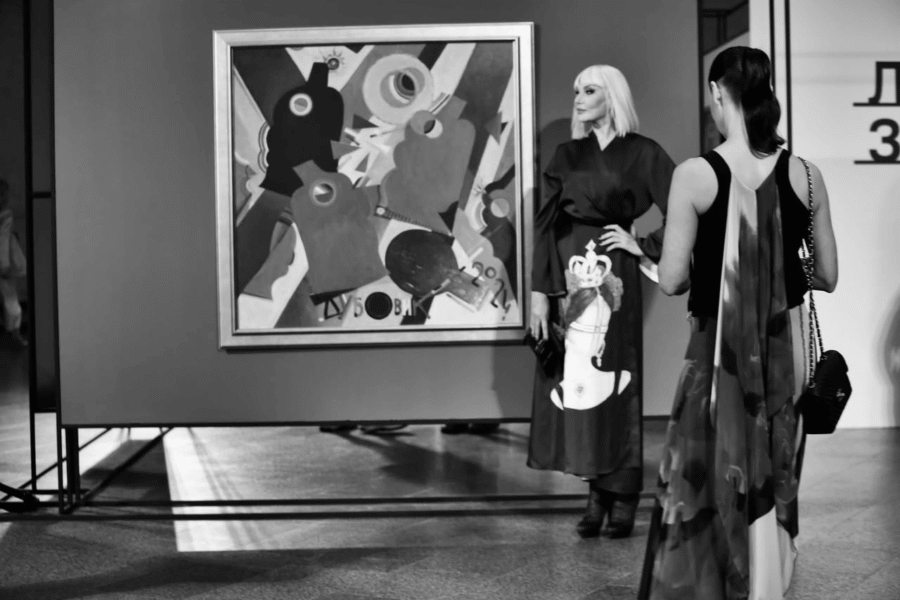
Ukrainian House recently presented a fine retrospective of the graphic artist and painter Oleksandr Dubovyk.
And the Museum of Avant-Garde showed works by my beloved master, Anatoliy Kryvolap, one of the leading figures in Ukrainian non-figurative painting.
Men who are whole eras in themselves! You come away from exhibitions like that with the feeling that you’ve touched something genuinely great.
A question everyone probably has to answer for themselves: do we in the rear have the right to enjoy ourselves while our compatriots defend our now-conditional peace at the front?
It’s a serious question. And I found my answer to it long ago. Not even on my own: it was suggested to me by a friend, a military doctor who has been on the front line since 2014. Every morning he writes to me: “Goodness and happiness to you, Svitunya, have the most wonderful day!” A man who sees war up close every day — and still wishes you goodness and happiness. That, for me, is where strength lies: in not letting yourself be broken, in not living in constant sorrow, in not drowning in hatred.
As for drunken partying and dancing till you drop — I’m against it. For the duration of the war I’ve taken on an ascetic rule: not a drop of alcohol. I want to keep a clear head and give more attention to the spiritual — the best thing we have. That’s the only way to preserve yourself.
Maryna Ostrovska: “I survive, resource-wise, on chocolate croissants from Fora”
Maryna, a creator and scriptwriter, has also been shutting herself off from negative news lately. But she gets her drop of a full life from company and new impressions — and, quite the opposite of withdrawal, from Kyiv’s dance parties.
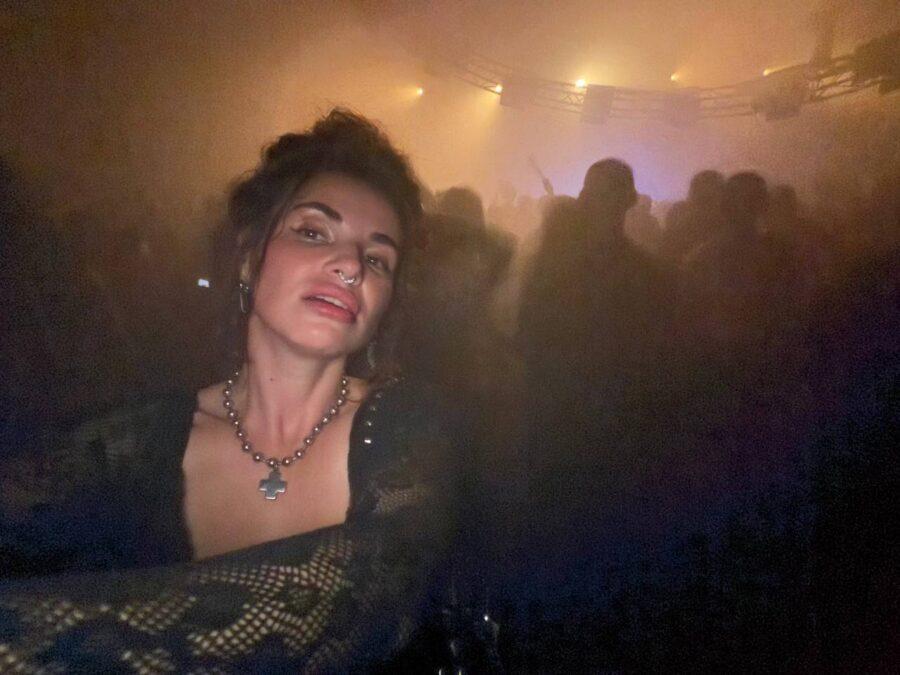
How do you manage to survive, both morally and in terms of resources, in this atmosphere of intensified attacks?
I’ve been taking antidepressants for a long time now, seriously, on a doctor’s instruction. At night there’s the option of taking antipsychotics to fall asleep. But I’m wary of taking them, because the worst thing is to be in that very drowsy, blurred state when the shelling starts — you have to wake up and at least get out into the corridor.
Surviving resource-wise means movement, some change of scene. What helps me is being around people, new impressions.
And I also survive, resource-wise, on chocolate croissants from Fora. It feels like if I don’t eat them in the morning, something terrible will happen (she laughs). I wake up, go to the supermarket, and if all the croissants have been taken already — that’s when the real hysteria and anxiety start, not over the Shaheds.
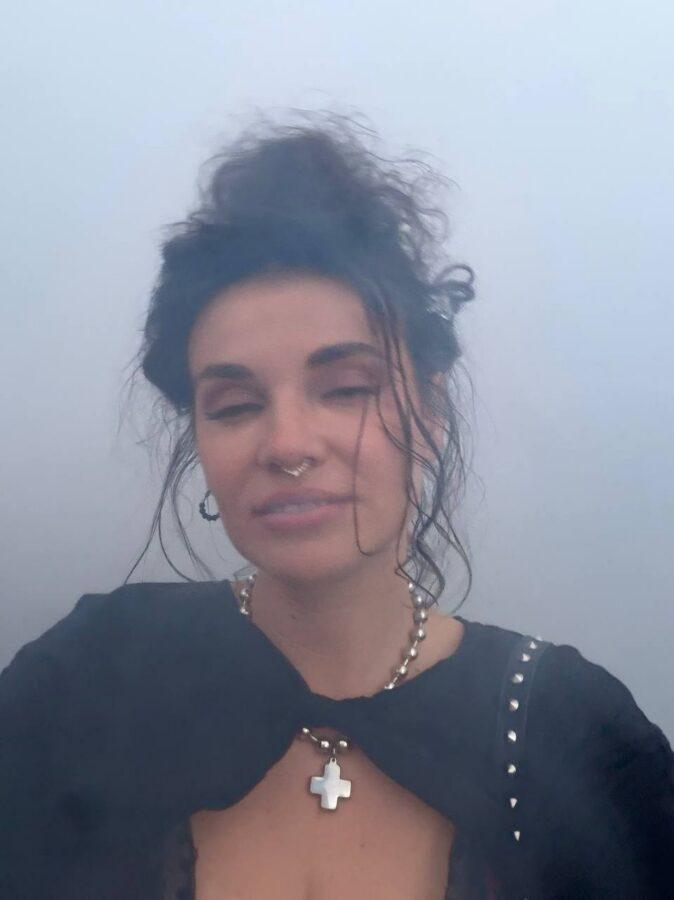
Why don’t you move to a safer city?
Honestly, for some reason I have no desire to. I’m used to the Kyiv vibe. The idea of moving to some small town with no parties, no chance to dress beautifully — it doesn’t appeal to me at all.
Incidentally, my psychological method of fighting stress is probably dressing brightly and beautifully. It feels like you dress each time as if it were the last: who cares that there’s no occasion and bright pink leopard-print trousers aren’t the thing right now — I’m indulging myself.
Which places in Kyiv do you go to in order to feel alive?
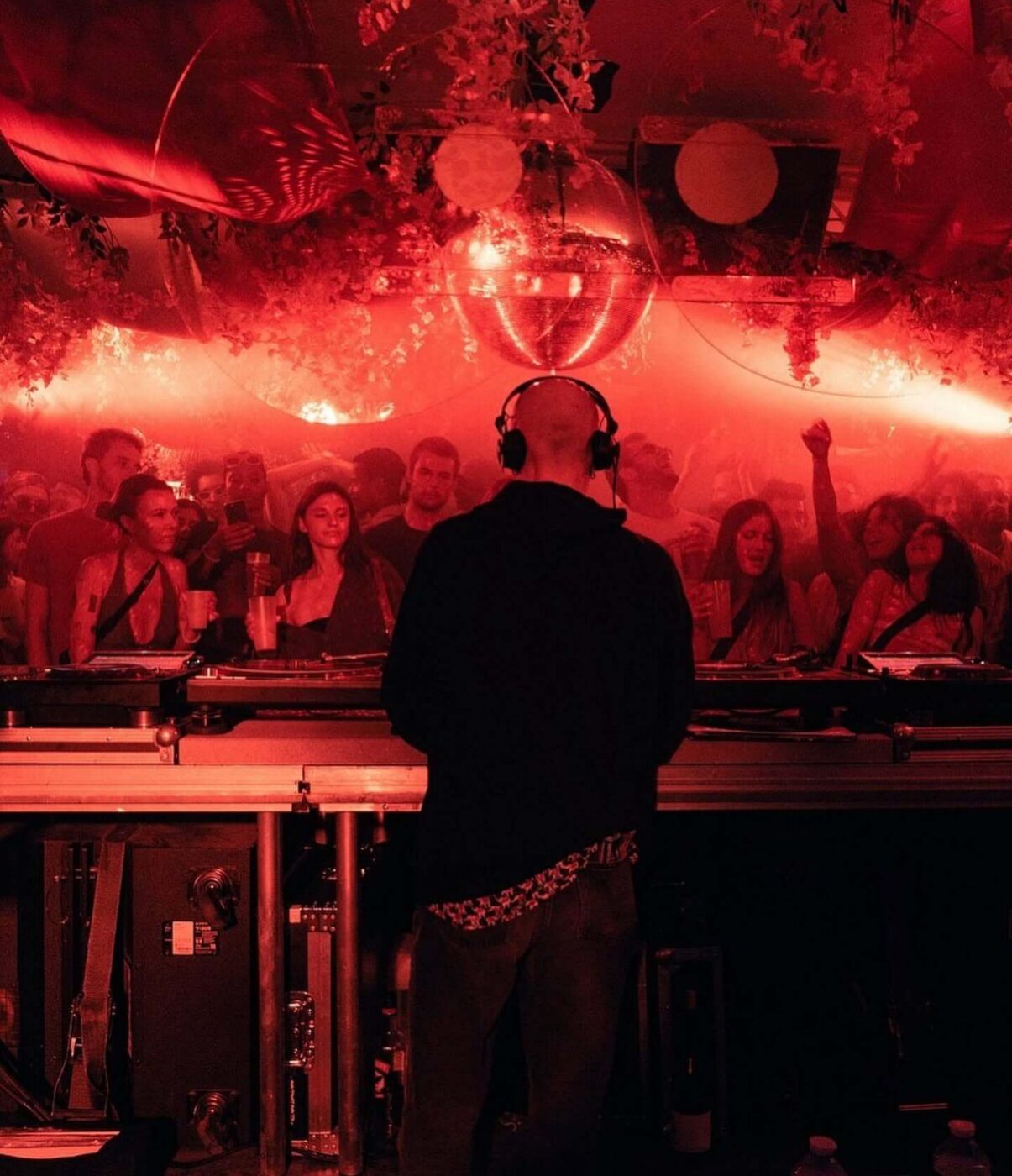
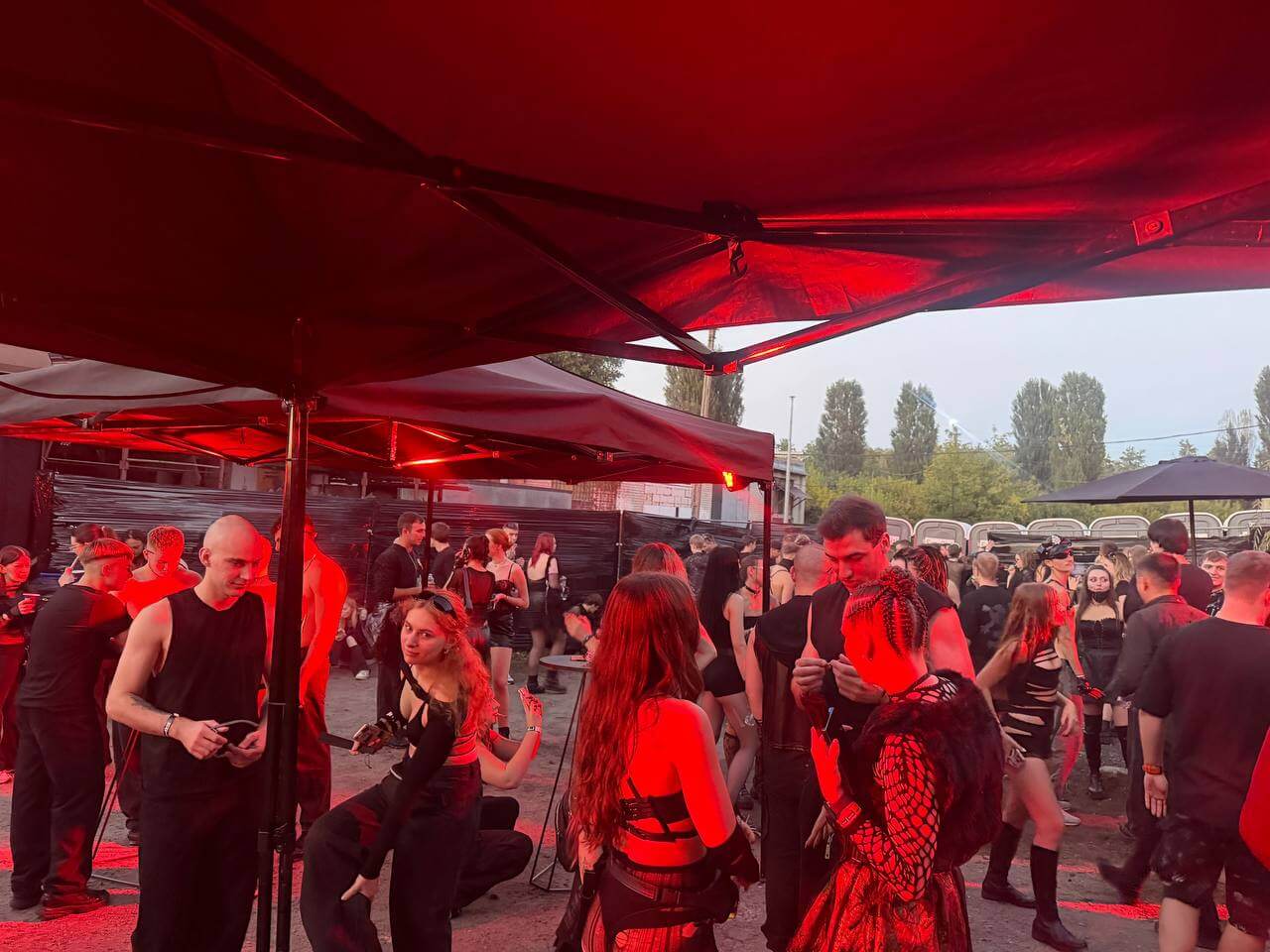
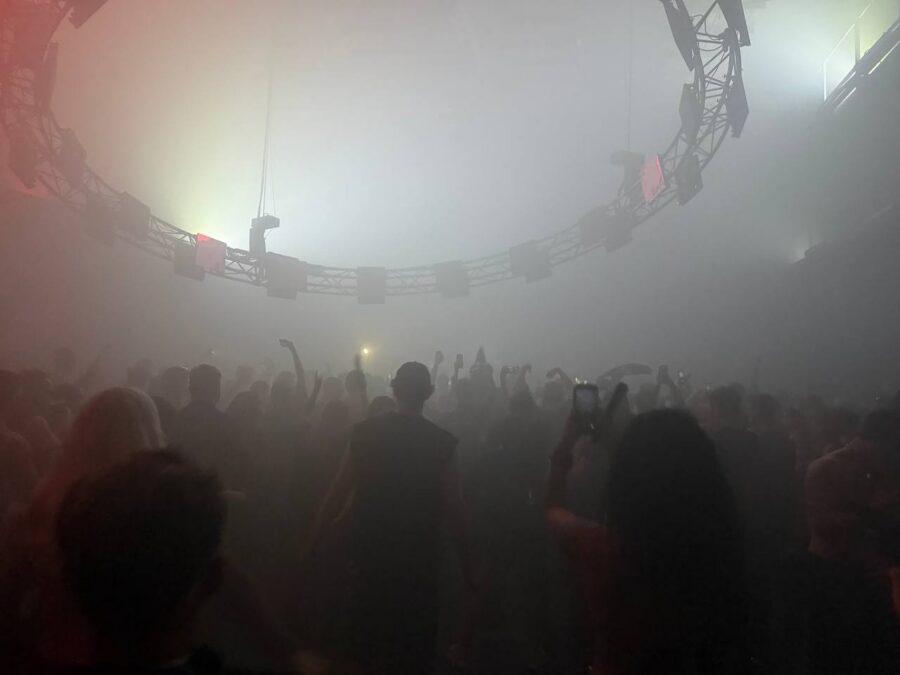
What lets me feel alive is therapy through dancing. I love techno; I often go to raves. Last weekend I went to Hran. Before that I’d been to Mechanica and Laboratorium.
For me, that monotonous techno, dark, hard techno is like meditation. You’re simply dancing — and first, your mind unloads, because you’re concentrating on the music. Second, when you dance intensely for two or three hours, the cortisol left over from the shelling burns off, and your muscles relax. You feel alive — you feel your own body. It’s far more pleasant when your legs, feet and knees ache after a rave than when you wake up with your jaw clenched from the nervous tension of another bombardment.
Socializing, really, is probably also a way of sharing the stress. It’s one thing to sit at home alone within four walls, worrying; another to come to an event where there are lots of people, everyone beautifully dressed, in their looks, in their make-up. There I feel like part of a pack, I suppose. And in a pack it’s psychologically safer.
By the way, I’ve noticed a trend: with each year of the war, far more new raves appear in Kyiv than in peacetime.
In your view, do we in the rear have the right to enjoy ourselves while our compatriots defend our independence in the trenches?
I don’t have a direct answer, but I’ll note that many people who attend raves are service members, who are clearly also releasing stress, just as I am. And you can see they dance with real feeling. So, well, what else is there to do? You have to live while you’re living. Who knows whether there’ll be a next day.
Andriy Kotliarchuk: “This atmosphere is a sharp aftertaste for my photo project, The Aesthetics of Sorrow”
Andriy Kotliarchuk is a professional photographer with an art education — author of the albums Volunteers. The Age of Heroes and Liberated Kyiv Region — and at the same time a veteran of the Ukrainian Armed Forces’ volunteer movement, the ATO years, and the full-scale war. He is, of course, not afraid of the recent, intensified attacks on Kyiv; he admits he perceives them merely as background noise.
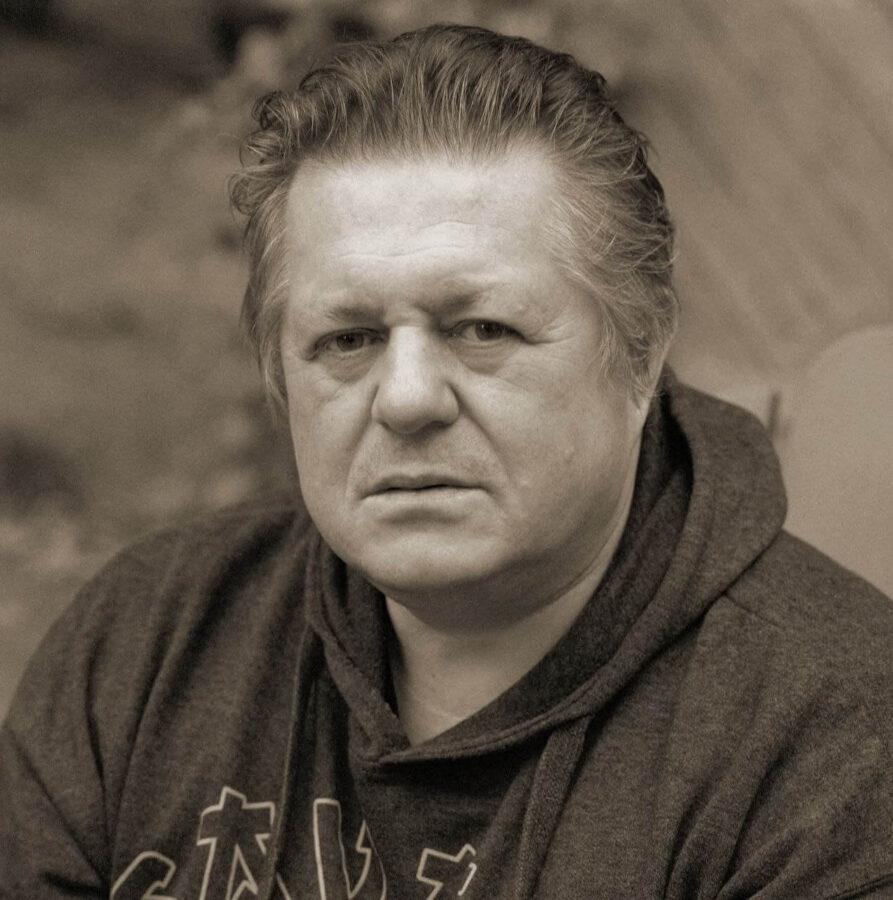
Why don’t you leave Kyiv — surely, as a veteran, you have the right?
I do, and I’ve been offered work abroad many times. I’ve had exhibitions in the finest museum spaces in Ukraine and Europe. The Museo Nacional Thyssen-Bornemisza, for example, exhibited an artistic photo project for the first time. And that project was mine.
But I like it better in Kyiv. I stay here because I feel its spirit — in Kyiv I’m like a fish in water. I’m a native Kyivan.
This terror of intensified shelling of Kyiv lately is, for me, a reason to work even more. And good times will come sooner or later.
This atmosphere is also a sharp aftertaste for the photo project I’m working on now — The Aesthetics of Sorrow. It’s about the beauty of the surrounding world in times of change: a blend of wabi-sabi, Victorian death aesthetics, the cult of vanitas, and the bitter beauty of a city’s inhabitants in catastrophe—no duplication of reality—pure poetry of divine origin.
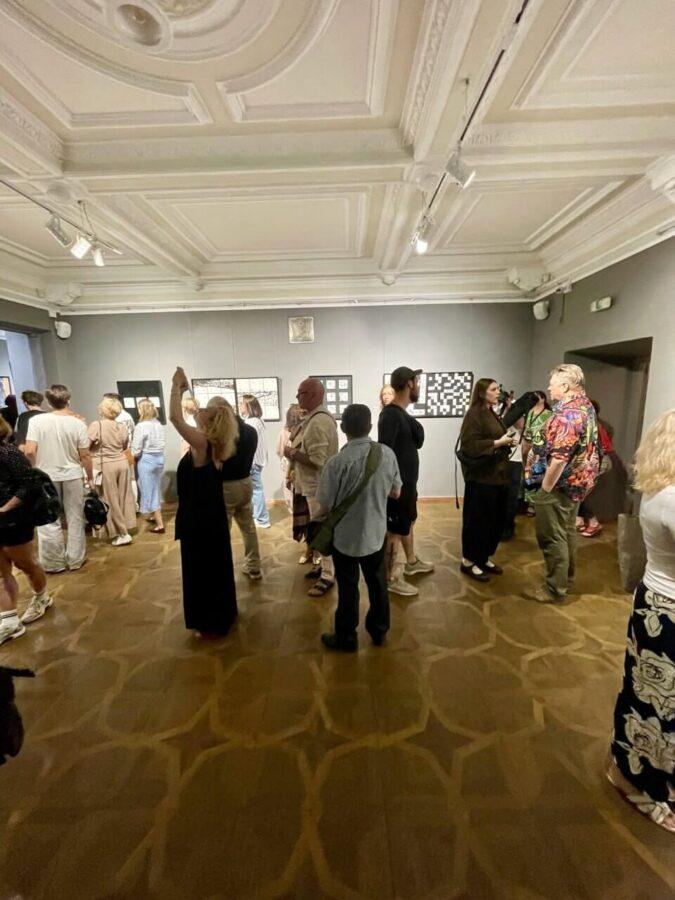
Which places in wartime Kyiv help you not just survive but feel alive?
I try to keep up an active cultural life. I take great pleasure in going to the Suzirya Theatre, to concerts at the Peklo. From toys art space on Saturdays to house concerts at the Mystetskyi Hub on Fridays.
I’m delighted to visit the Tryptykh gallery and Vakulenko Art Consulting.
A separate love of mine is the National Museum “Kyiv Art Gallery”. The exhibitions there are simply incredible!
I also adore my studio on Andriivskyi Descent. Sometimes I go there just to draw in the atmosphere. I love my bubble of creative, talented people. They inspire me to keep working.