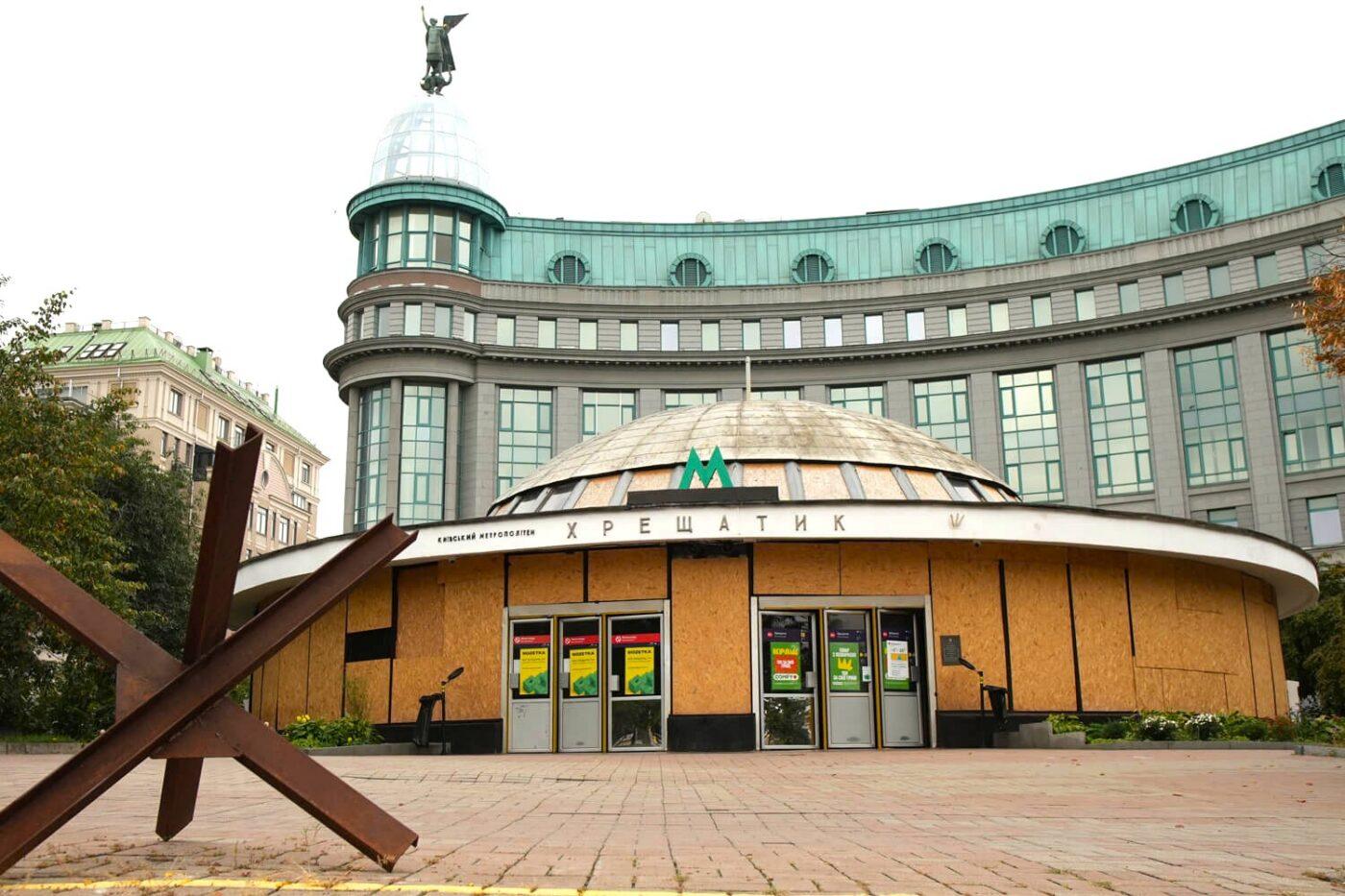
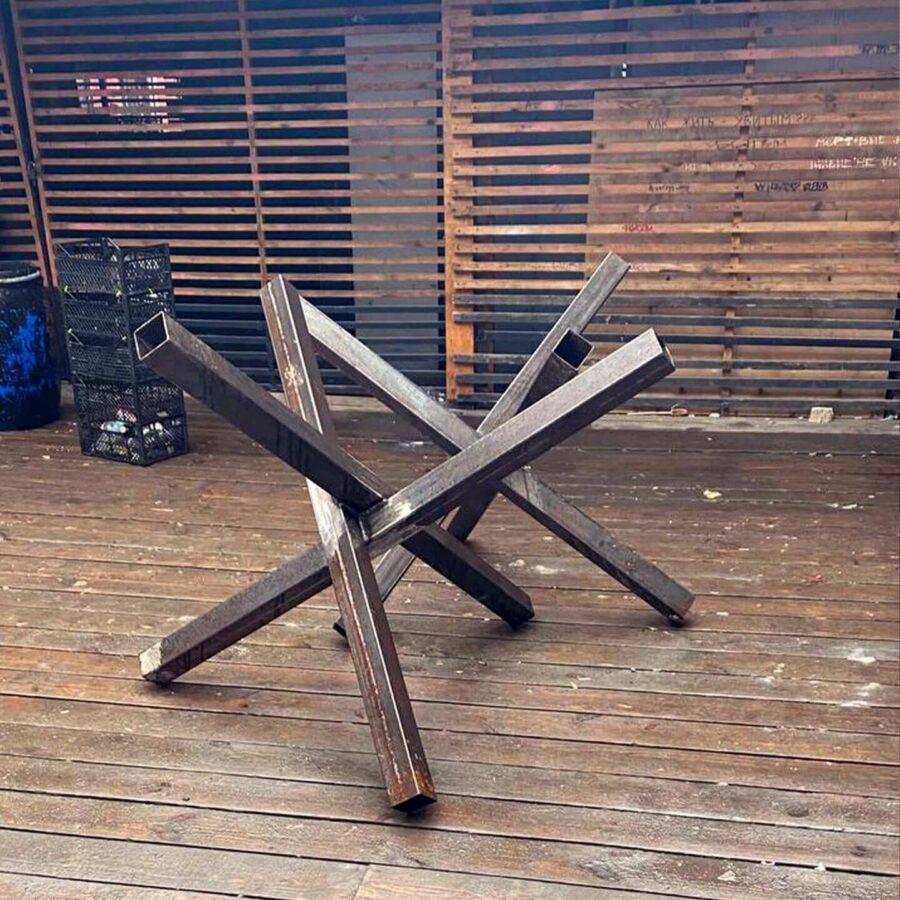
During the first weeks of the full-scale invasion, camouflage nets were woven in the smoking room of Kyiv’s Closer club, while anti-tank hedgehogs were manufactured in its workshop. In June 2026, a Russian drone damaged the Mystetskyi Arsenal building, but the venue opened its previously scheduled exhibition just two weeks later. Meanwhile, in Podil, the team behind the small Kuznia gallery installed an exhibition in winter despite the cold and power outages.
How have the capital’s cultural venues adapted to wartime conditions, what keeps them going today, and what projects are they bringing to life? We explore these questions through the stories of six cultural spaces in Kyiv.
Art Zavod Platforma: From a Humanitarian Hub to Major Festivals
During the first months of the full-scale invasion, the grounds of the former Darnytsia Silk Factory, home to Art Zavod Platforma, were transformed into a humanitarian hub. Festivals and concerts gave way to humanitarian work, and the art venue gradually began returning to its usual activities.
In May 2022, Platforma announced that it was resuming operations and looking for new residents. At that point, the site was already home to a humanitarian hub, a coworking space and production facilities. The team offered premises for workshops, warehouses and offices, as well as venues for events and filming.
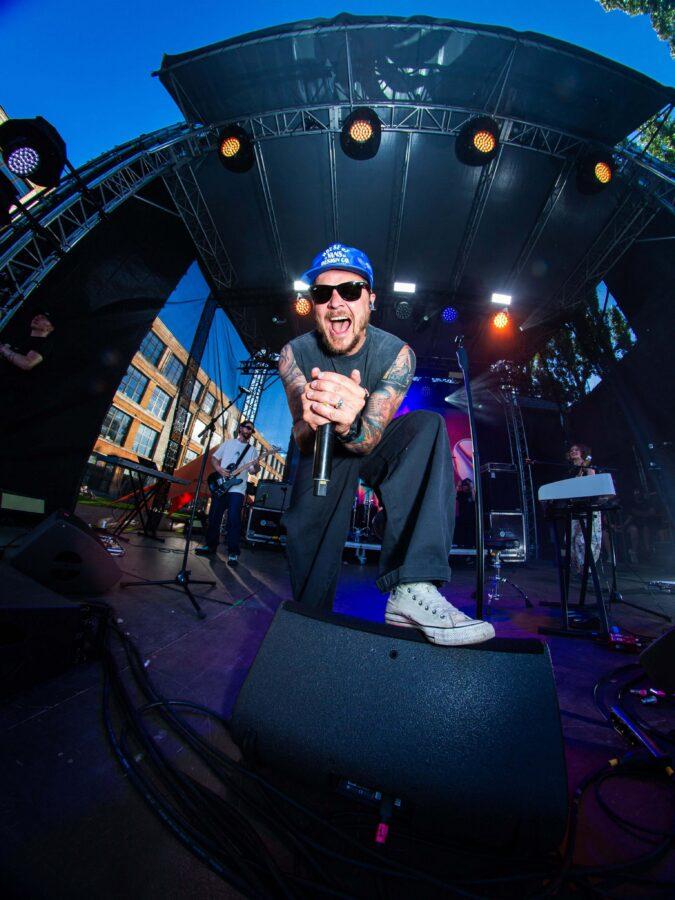
Festivals gradually returned to Platforma as well. In 2024, the venue hosted events celebrating Ukrainian traditions, music and gastronomy, including “Kolodiy. Kolo Svarozhe,” featuring performances by Ukrainian bands.
At the time, the art venue’s director, Olena Tarnovska, said that the team aimed to combine festivals with charitable initiatives and support for entrepreneurs taking part in markets and food courts.
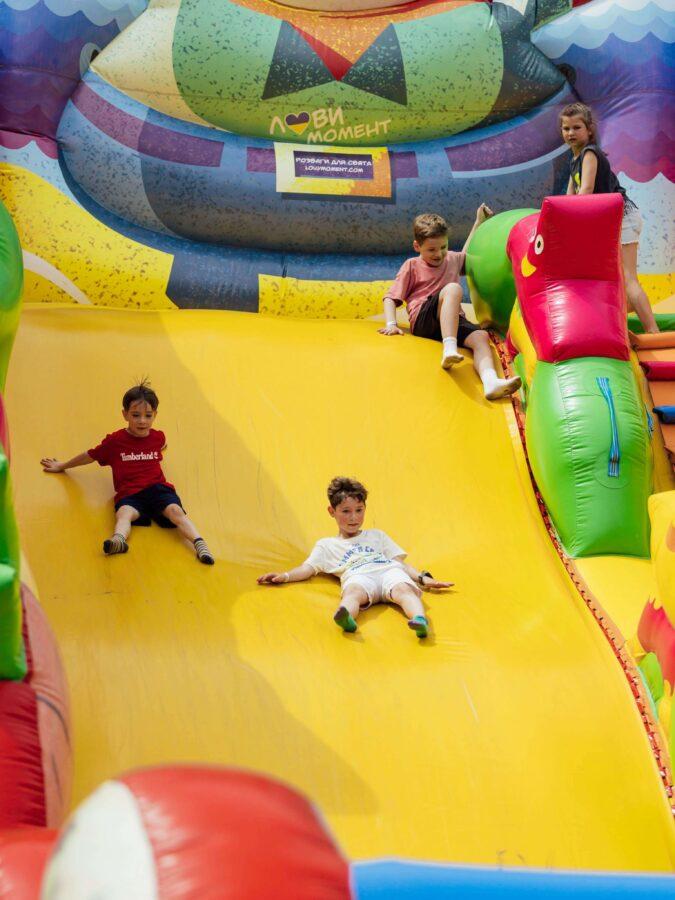
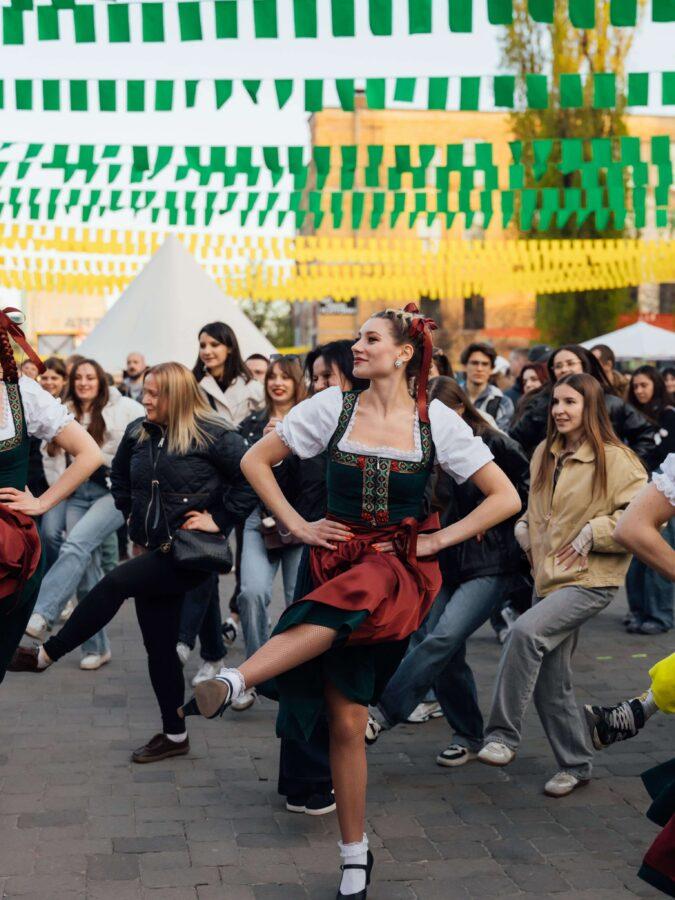
At the same time, the art venue hosted events focused specifically on the experience of living through war. For example, on September 20, 2025, it held the Festival of Ideas, organized by the East SOS charitable foundation. Around 500 participants discussed life under occupation, captivity and repression, mobilization, the demographic crisis and other societal challenges.
In 2026, the art venue hosted eight festivals. The team organized five of them independently: BeerFest, Picnic, two Jumpalooza festivals and Hreblia. Three more events were organized by partners: Laboratorium, SVET and Kyiv Tattoo Fest.
According to the results of the 2026 festival season, events at Platforma attracted 57,000 visitors. A total of 75 artists performed on its stages, while the overall amount of funds raised reached UAH 1.446 million. The organizers also reported expanding the festival markets to include more Ukrainian small businesses and bringing in new charitable foundations.
The team is now preparing for the next season. Plans for 2027 include upgrading the stage and the venue grounds, as well as finding solutions to support the shelters.
Mystetskyi Arsenal: An Exhibition After a Drone Strike
On June 25, 2026, Mystetskyi Arsenal was scheduled to open the exhibition “Shimmering Connections: Ukrainian Painting at the Turn of the 1990s and Today.” More than a hundred works by 40 Ukrainian artists were to be displayed across seven halls, juxtaposing paintings from the late 1980s and early 1990s with works by contemporary artists.
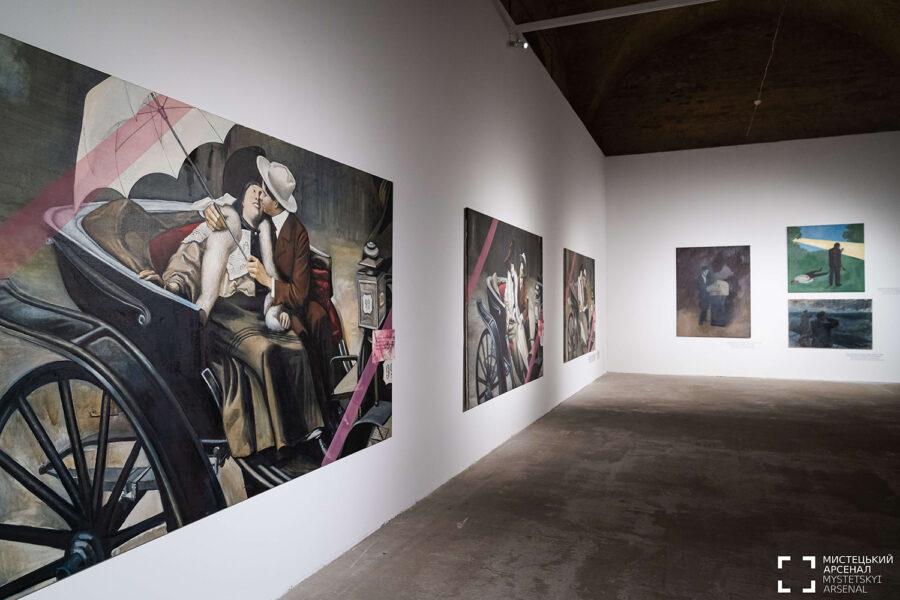
However, ten days before the opening, on the night of June 15, the building was damaged in a Russian drone attack. A fire broke out after an enemy drone struck the site, damaging the roof and attic of the left wing of the Old Arsenal building.
The team was faced with the question of whether to hold the exhibition at all. Eventually, the opening was postponed by a week. On July 2, visitors were finally able to see “Shimmering Connections” in the building’s right wing.
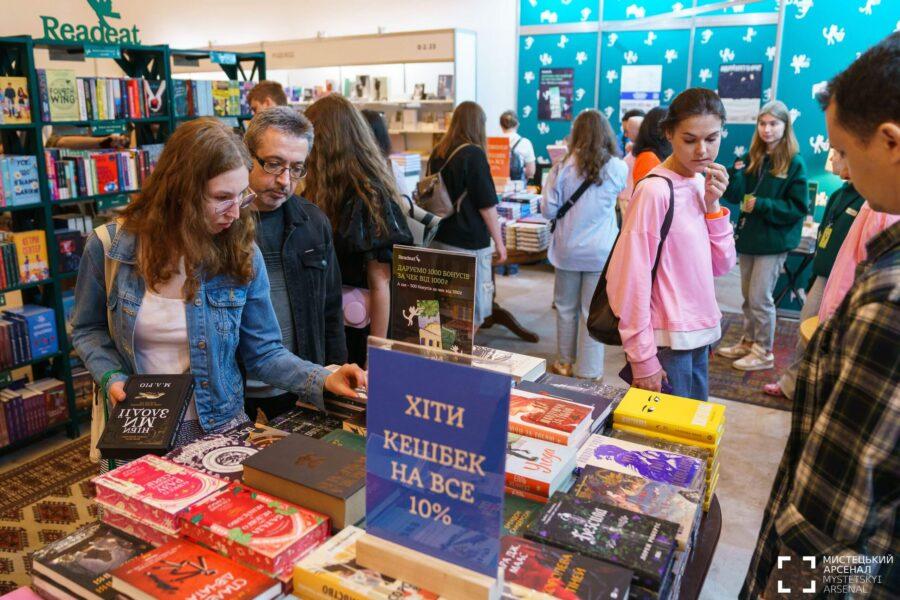
Just a few weeks before the attack, the Arsenal had hosted one of its biggest annual events — the Book Arsenal. In 2026, the festival was held for the fourth time since the start of the full-scale war, attracting 27,000 visitors.
The programme featured more than 240 events, including meetings with writers, panel discussions, book launches, readings, concerts and performances. A total of 111 major and 25 small publishing houses presented their books at the fair. However, air raid alerts repeatedly disrupted the schedule: some events were cancelled or shortened, while certain discussions continued in shelters.
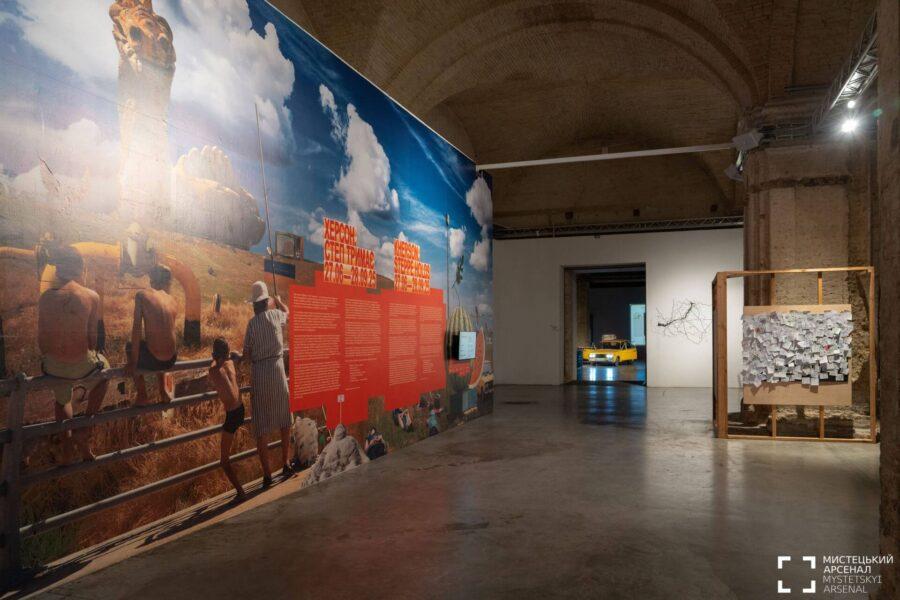
In October, the institution turned its attention to another topic: growing up during wartime. The special project “Sorry for the Temporary Inconvenience” brought together three exhibitions, creative workshops, discussions and musical events. Teenagers took part in the programme both as participants and co-creators.
PinchukArtCentre: Where to Find Joy During Wartime
What brings joy to someone who has lived through war? This question became the starting point for the exhibition “Joy,” which opened at PinchukArtCentre in March 2026.
Hlib Stryzhko, a Ukrainian Marine Corps veteran, collected testimonies from active service members and veterans, asking them what brings them joy today. Their answers became part of the exhibition: architect and artist Bohdana Kosmina transformed the texts into spatial installations, displayed alongside works by Ukrainian and international artists.
The participants included Alevtina Kakhidze, Kateryna Lysovenko, Anna Zviahintseva, Roman Khimei and Yarema Malashchuk. Dutch artist Simone Post presented an installation made of sweets.
Through these works, the exhibition explored different expressions of joy — from immediate pleasure to feelings associated with closeness, memory and life during wartime.
In June 2026, the art centre opened another exhibition, “Self-employed.” This time, the focus shifted to the everyday lives of young artists who have to find ways to earn a living, secure studio space and keep creating.
While the exhibition was being prepared, the State Migration Service demanded that the occupants vacate the premises of the Institute of Automation, where dozens of artists, including some of the exhibition’s participants, had been working. This situation became one example of the instability faced by the independent art community.
Six Ukrainian artists who had never previously collaborated with the art centre were invited to take part in the project. Their works could be found not only in traditional exhibition halls but also on staircases, shelves, in alcoves and utility rooms.
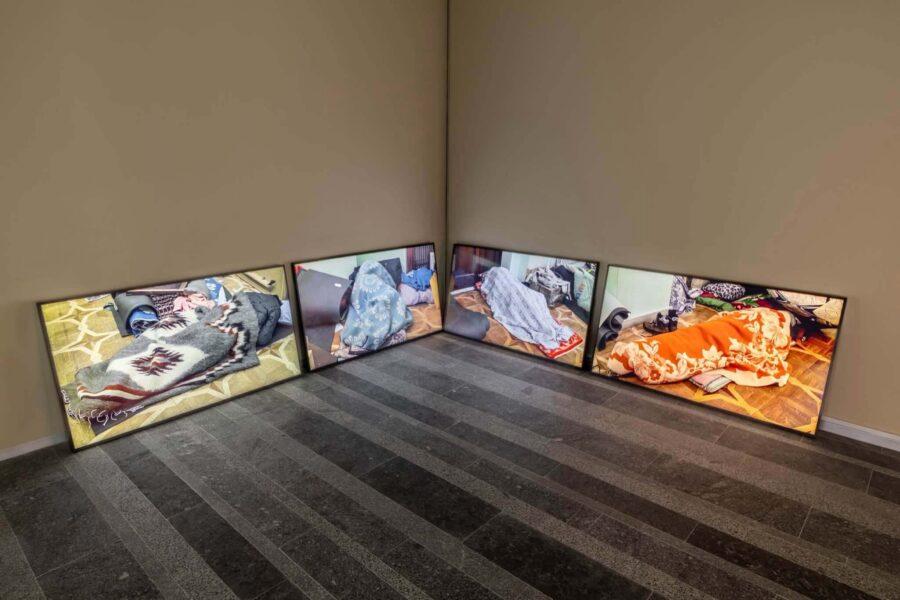
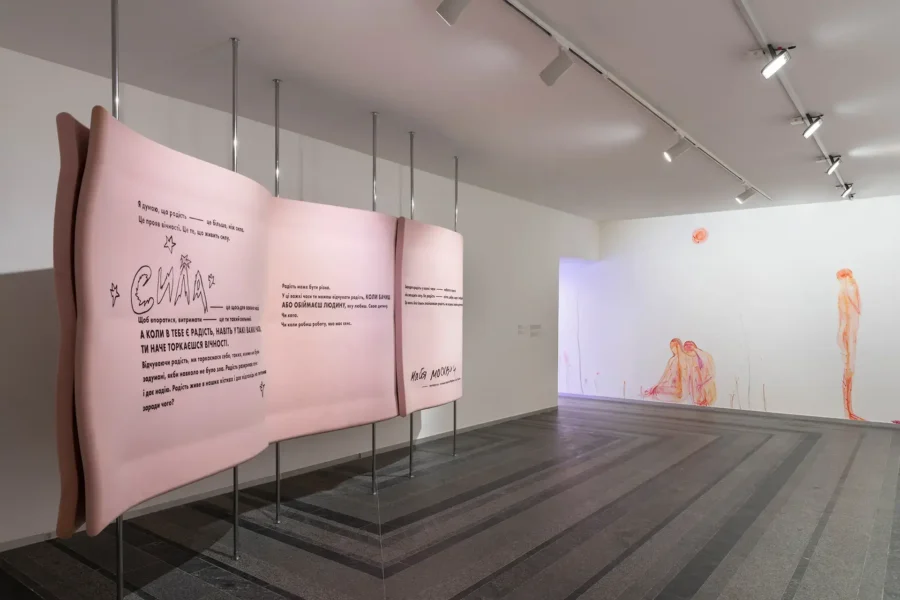
PinchukArtCentre also brought the theme of joy during wartime to the international stage. In May 2026, as part of the Venice Biennale, the exhibition “Still Joy — From Ukraine into the World” opened, organized by the Victor Pinchuk Foundation and the art centre. It also featured testimonies collected by Hlib Stryzhko and works by Ukrainian and international artists.
Closer: From Volunteering to the Return of Rave Parties
At the beginning of the full-scale invasion, Kyiv’s Closer club on Nyzhnoiurkivska Street stopped hosting parties and turned to volunteer work. Approximately two weeks later, the team began preparing meals for volunteers and people in need. The club’s premises were used to store medicines and food, as well as to hold tactical medicine training sessions.
Camouflage nets were woven in the smoking room, while anti-tank hedgehogs and portable stoves were welded together in the workshop. Military vehicles were painted in the courtyard. In May 2022, the team reported that it had already repaired, repainted and handed over eight vehicles to the Armed Forces of Ukraine.
In an interview with The Village Ukraine, Closer co-founder Serhii Vel said that during the first days of the invasion, the team had decided to transfer all the money from the club’s account to support the Armed Forces of Ukraine.
In May, the club also launched a fundraising campaign with a target of UAH 200,000 to cover electricity bills, purchase materials for camouflage nets and food, and continue its volunteer work.
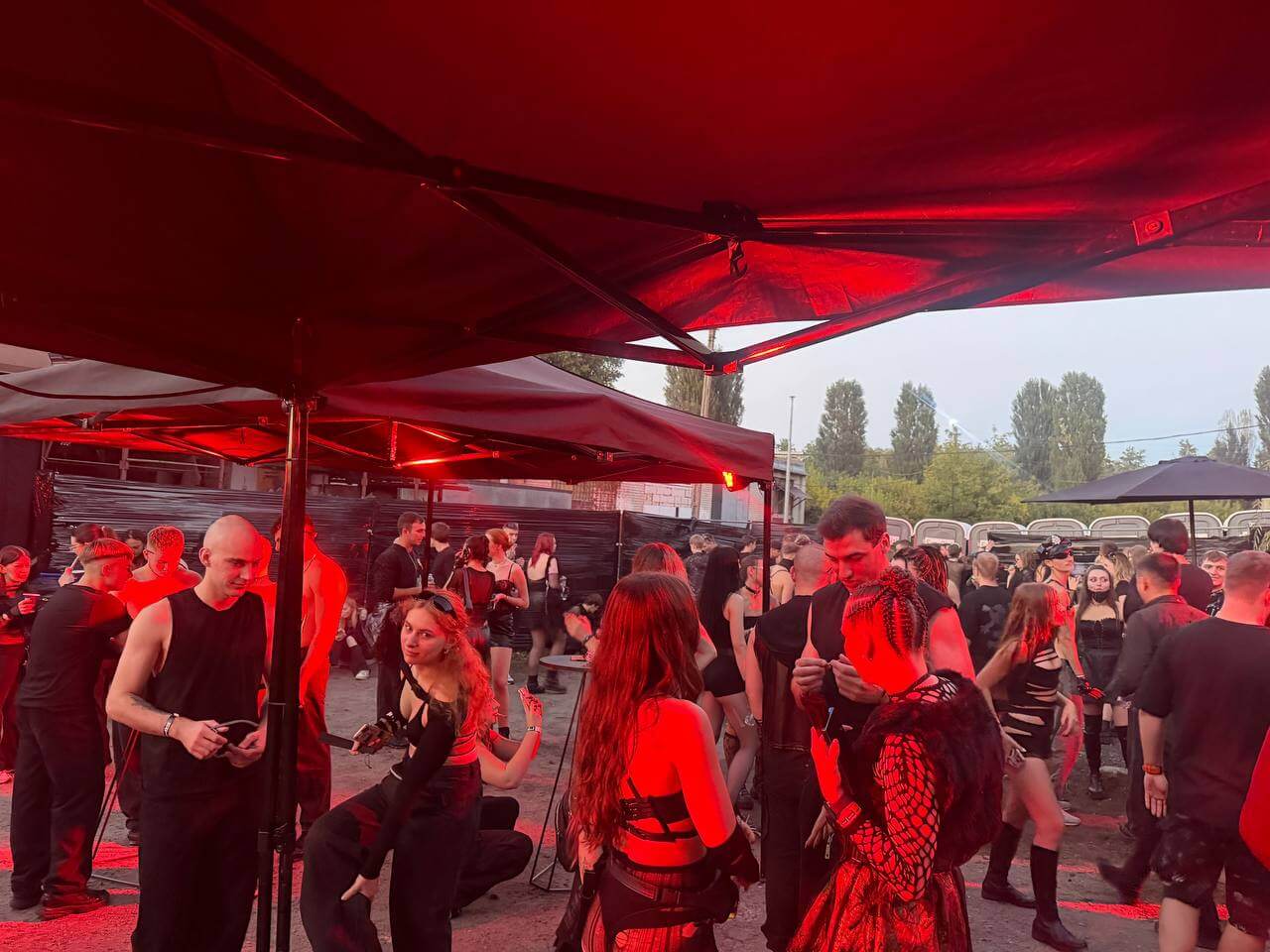
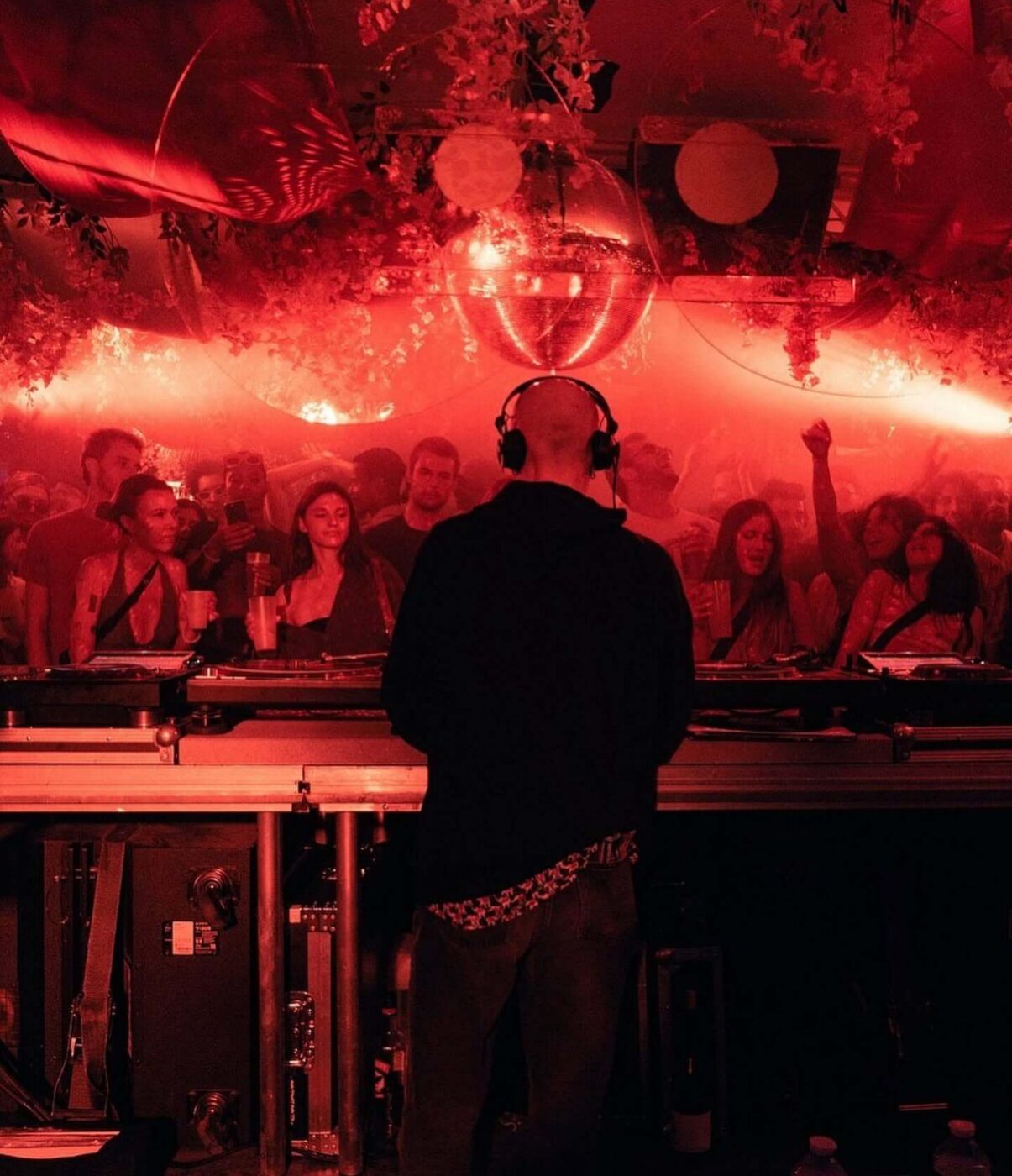
Closer returned to dancing in October 2022, celebrating its ninth anniversary with three daytime parties. The curfew forced the team to change its usual schedule. Instead of nighttime raves, organizers began holding events during the day, sometimes splitting them across two days with a break for curfew. Generators were used during power outages.
The club also began featuring more Ukrainian artists in its programme, including those who had remained in Kyiv after the invasion began. In 2022, the team launched the “Na Chasi” festival, featuring music performances, markets, contemporary art exhibitions, lectures and discussions. According to Vel, the project was created to support Ukrainian artists during the war.
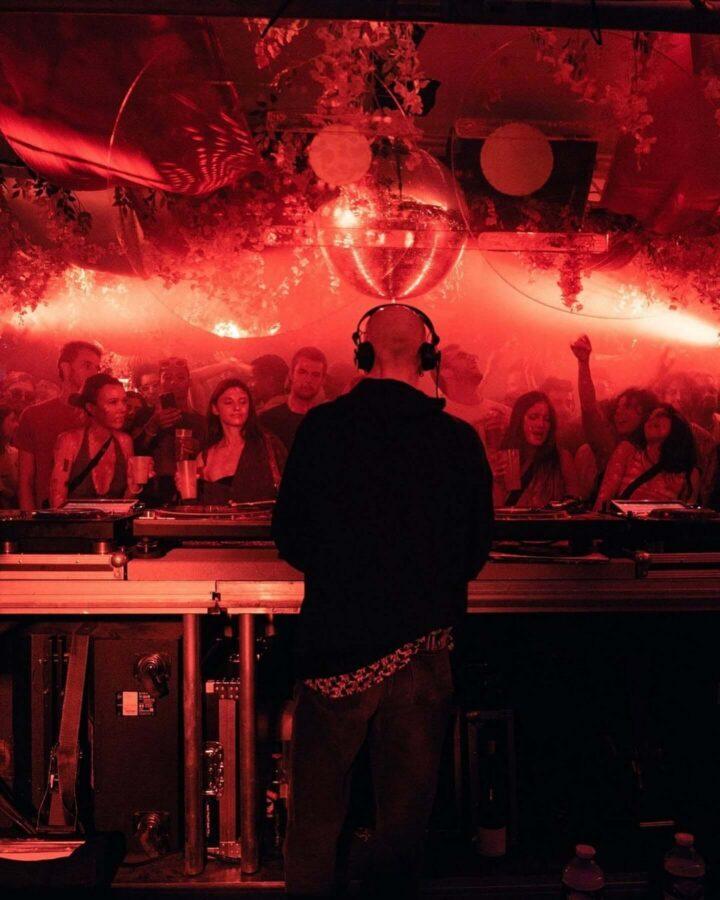
In May 2023, the independent music festival Strichka also returned. Closer has been organizing the festival since 2014. This time, it took place on May 20–21, with the entire programme moved to daytime hours to comply with the curfew. Most of the performers were Ukrainian musicians, although six international artists also travelled to Kyiv.
In 2026, Strichka celebrated its 12th anniversary. The festival took place on May 16–17 at the former ribbon-weaving factory. More than 50 artists performed across seven stages, including 11 international musicians. They included German DJ Lena Willikens, French artists Tau Car and Maxime dB, and Italian artist Trent.
Kuznia: Exhibitions in a Building Without Central Heating
In January 2026, the team behind the Podil-based Kuznia gallery was installing a group exhibition titled “More Color.” Temperatures outside had dropped sharply, Kyiv was experiencing power outages, and the gallery building had no central heating. In a later interview with Suspilne Kultura, the venue’s director, Tetiana Tadai, joked that she would give the exhibition an award for endurance.
Kuznia is located in a building dating back to 1900 at 37/20 Nyzhnii Val Street. A blacksmith’s workshop once operated here, and the building later became part of Ukrainian literature: according to the plot of Valerian Pidmohylnyi’s novel The City, this is where the protagonist, Stepan Radchenko, lived.
In May 2024, an art space bringing together a gallery, café and library opened in the building. After a temporary closure, Kuznia resumed operations under a new team led by Tetiana Tadai.
The gallery’s priorities include supporting Ukrainian women artists, exploring naive art and developing a culture of art collecting. In June 2026, it opened “Naive Art from Putyvl,” an exhibition dedicated to artist Kateryna Kobyliakova, who died in 2022.
According to Tadai, the team researched Kobyliakova’s work during an expedition to the Sumy region together with curator Liza Fanagei. The artist’s family provided works for the exhibition and granted permission for them to be sold and included in a collection that could eventually be donated to a local state museum.
Maintaining a gallery in a historic building requires constant attention. In addition to the lack of central heating, the team has to monitor the condition of the structure, including cracks and distortions.
Kuznia generates revenue through the sale of drinks, artworks and independent publications. Some exhibitions also receive grant funding and support from donors.
Although the gallery’s exhibition schedule is already booked through the end of the year, the team plans its detailed programme only two to three months ahead. According to Tadai, this approach makes it possible to account for uncertainty, particularly when it comes to operating during the winter.
The Naked Room: How Relocation Became an Opportunity to Make the Gallery More Accessible
In 2026, The Naked Room gallery had to leave its premises on Reitarska Street due to rising rental costs. According to co-founder Mariia Lanko, prices on the street, which had become a symbol of Kyiv’s emerging creative scene, continued to climb despite the deteriorating security and economic situation.
Eventually, the team had to give way to more commercially profitable projects. Initially, the relocation was seen as a threat to the gallery’s survival. However, the team managed to find a new space nearby — just around 100 metres from the previous location, at 2-A Zolotovoritska Street.
The new premises turned out to be more spacious and made it possible to accommodate visitors with different needs. In a statement published on The Naked Room’s website, Mariia Lanko highlighted the shortage of accessible exhibition spaces in Kyiv. Therefore, making the new gallery barrier-free became one of the team’s main priorities during the renovation. The project received financial support from Kiss My Apps.
On August 14, 2026, the gallery reopened at its new location with “Anthology,” a solo exhibition by Karina Synytsia. The exhibition featured her paintings and graphic works, most of which were created in 2024–2025.
The artist explored urban landscapes in Kharkiv, Dnipro and Kyiv, depicting streets, courtyards, residential buildings and plants growing among urban structures. Most of the works were created in Kharkiv. Synytsia also produced one piece directly in the gallery’s new premises.
The Naked Room has retained its main focus on solo exhibitions by contemporary Ukrainian artists. At the same time, the team plans to explore new ways of collaborating with artists serving in the Armed Forces of Ukraine or working in the defence industry, who do not always have enough time and resources to pursue their creative work.
The new premises also house a “Books and Bottles” corner, combining a bar with a book section. Its selection includes art books and publications on art, architecture, design, photography and philosophy, as well as Ukrainian and translated literature.
Over the years of Russia’s full-scale war, Kyiv’s cultural spaces have adapted their formats and working conditions, taken part in volunteer efforts and charitable initiatives. Despite shelling, power outages and economic challenges, festivals, concerts and exhibitions continue to take place in the capital, while new art venues keep opening.
The city’s electronic music scene also holds a special place in its cultural life. We take a closer look at Kyiv’s clubs, including Closer, ∄ and BRUKXT, as well as the collectives organizing rave parties, in our feature “Kyiv Rave Parties: Collectives and Clubs Worth Following.”
Photos: Art Zavod Platforma, Kuznia Gallery, Mystetskyi Arsenal, PinchukArtCentre, Closer, The Naked Room