
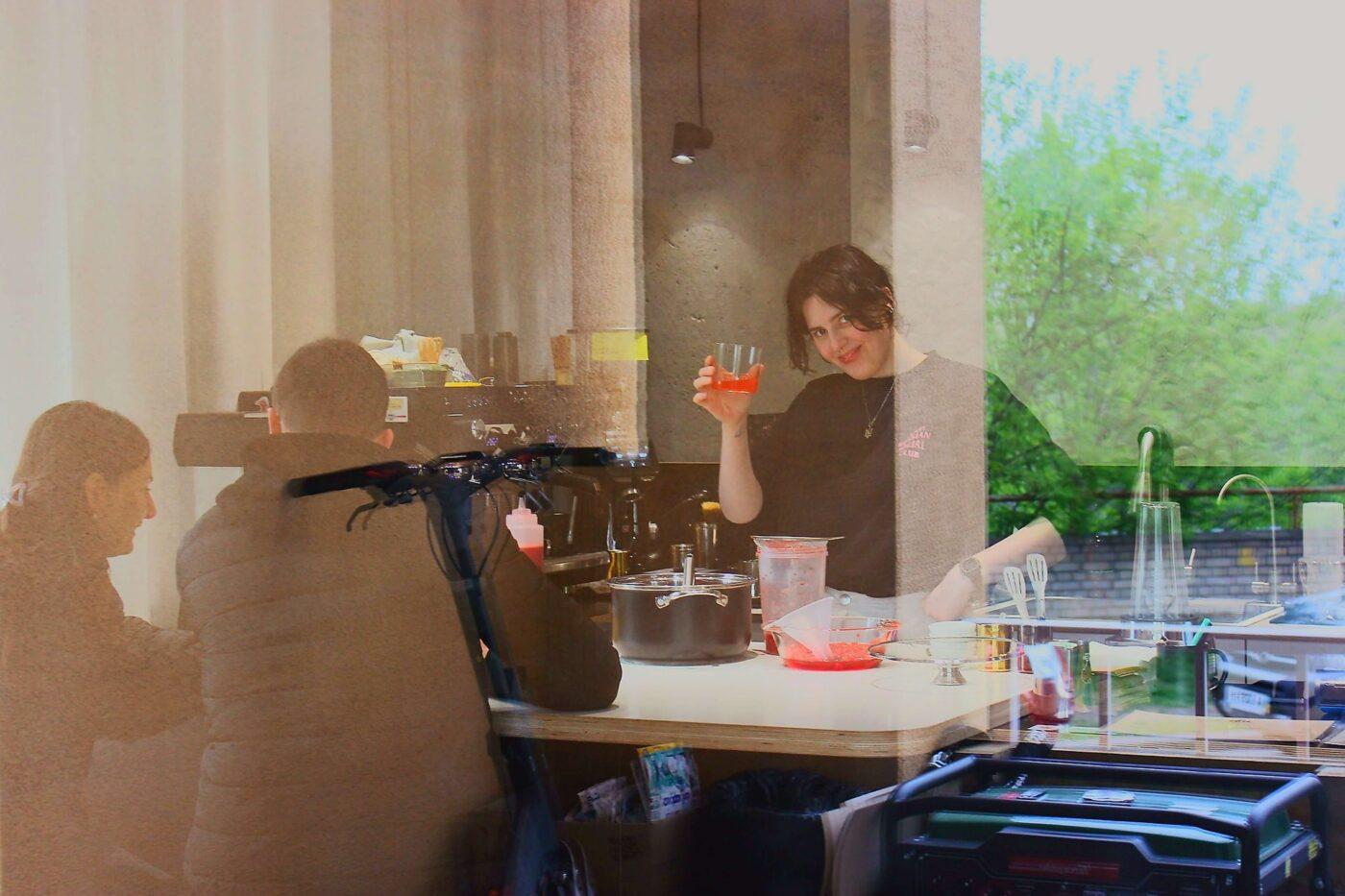
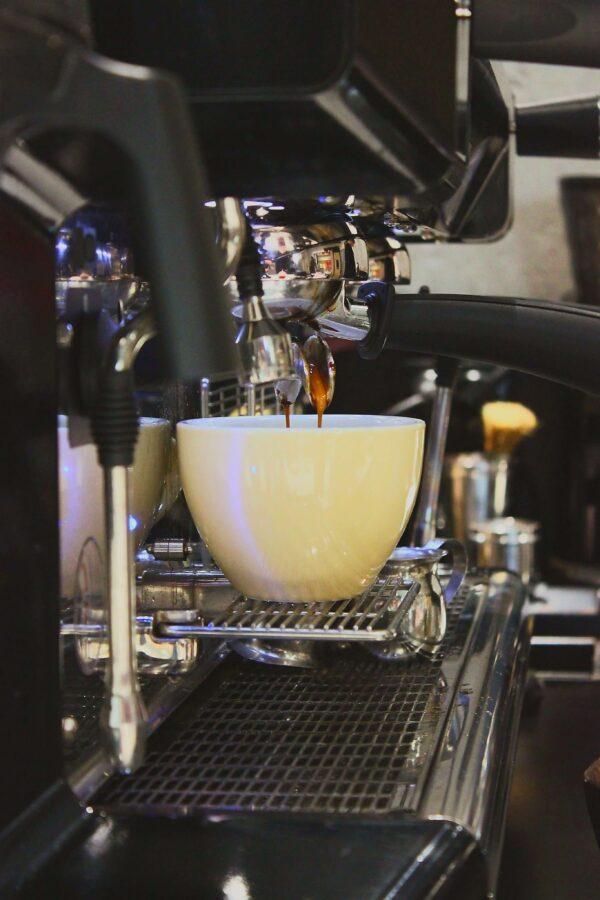
Morning in a Kyiv coffee shop doesn’t begin with the first sip. First comes the sound of the espresso machine, a quick “the usual for you?”, someone opening a laptop, someone else standing by the counter scrolling through the news. At the next table, people are arranging a meeting — then laughter, quiet conversations, pauses. Nobody rushes, but nobody stays too long either — they simply begin their day.
Coffee shops in Kyiv давно stopped being places where people just grab coffee to go. They have become spaces that hold part of the city’s daily life: between home and work, between air raid alerts and ordinary routines, between people who were strangers only yesterday.
Neighborhood Coffee Shops as Places for Community
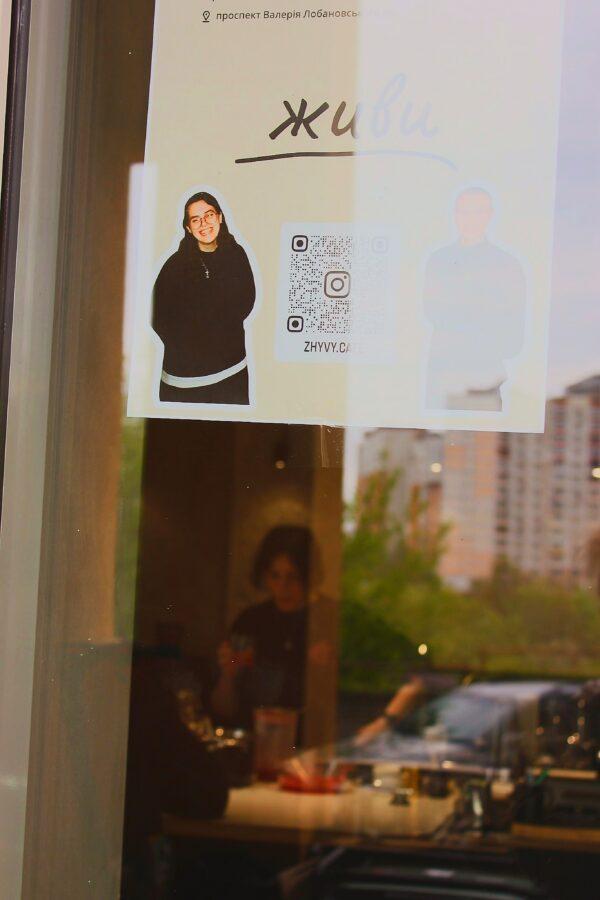
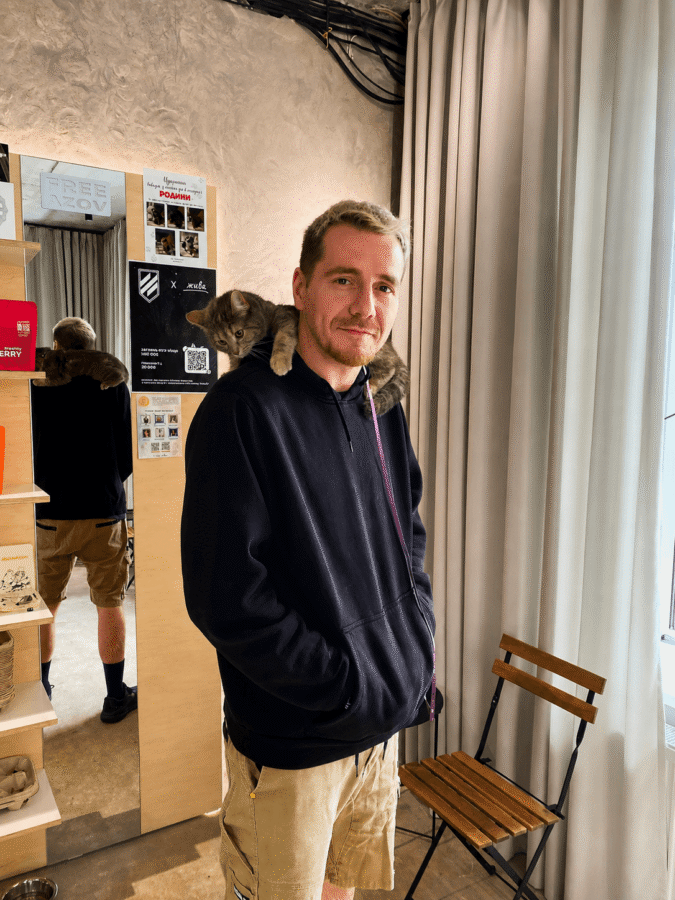
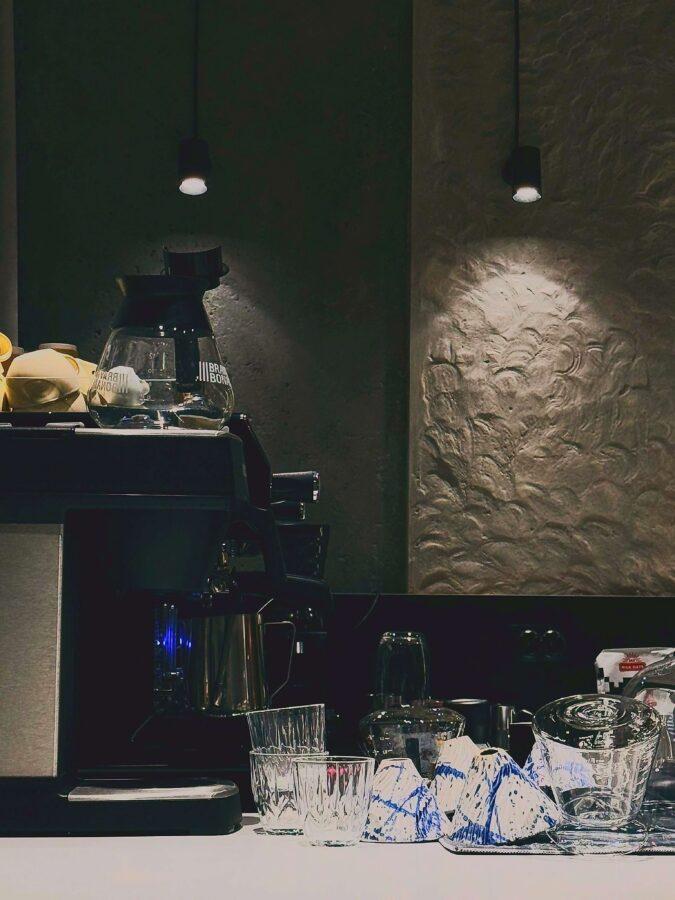
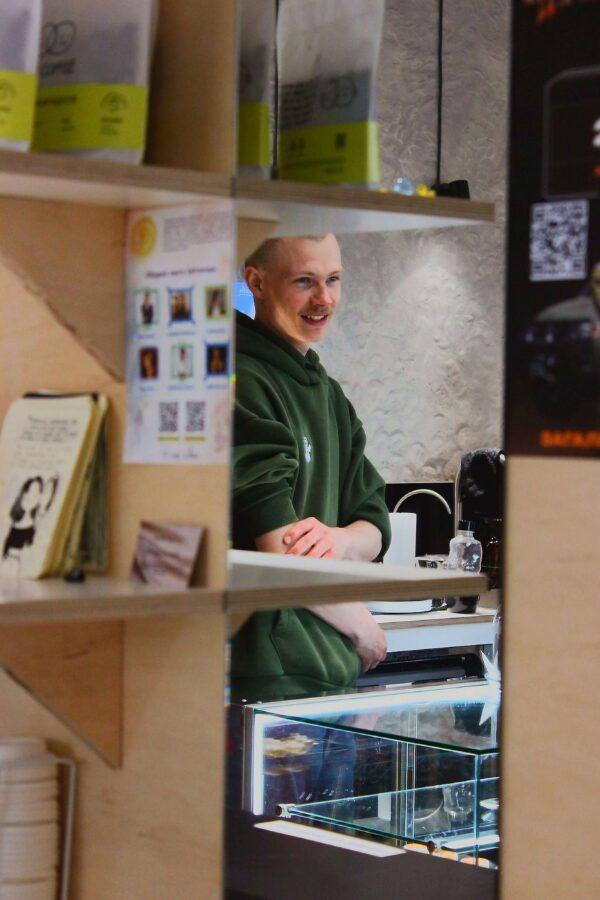
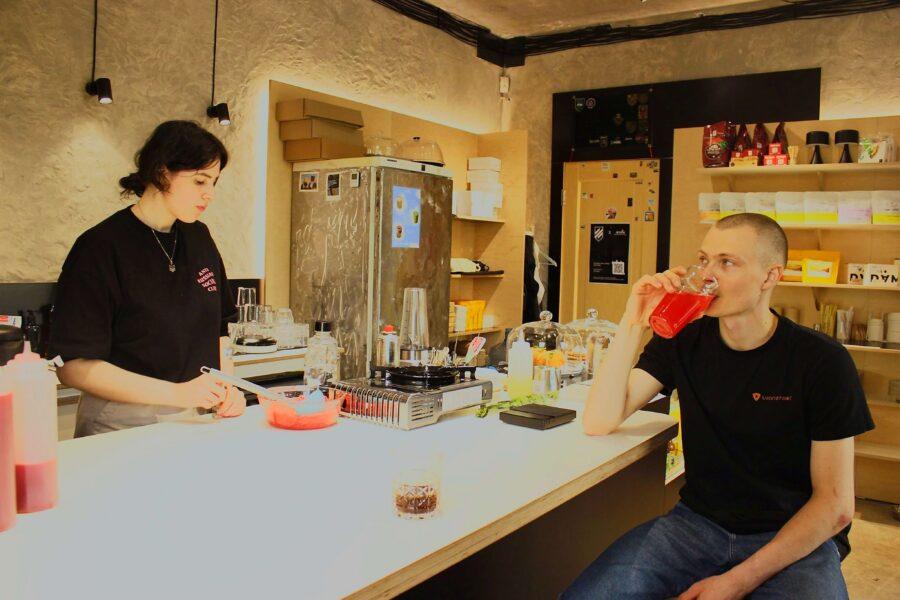
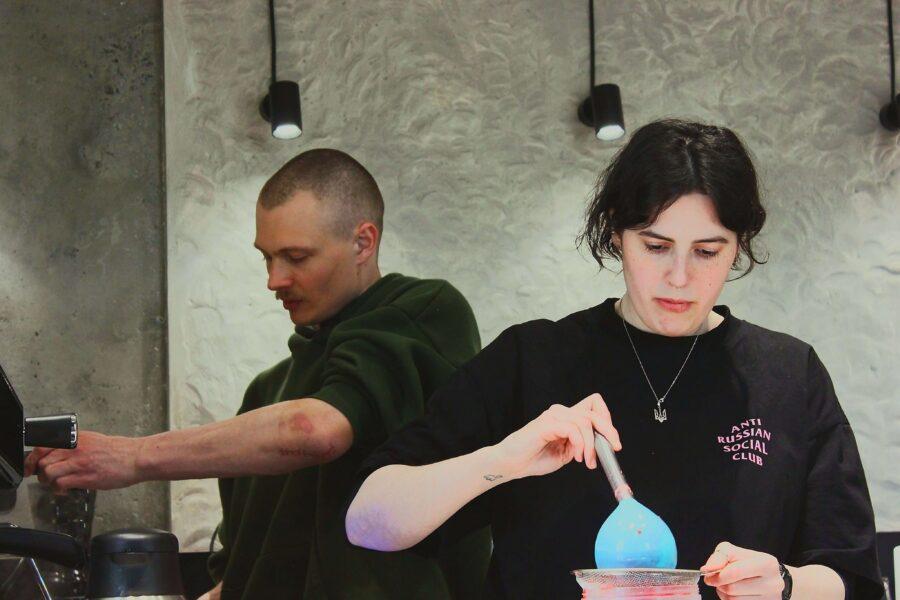
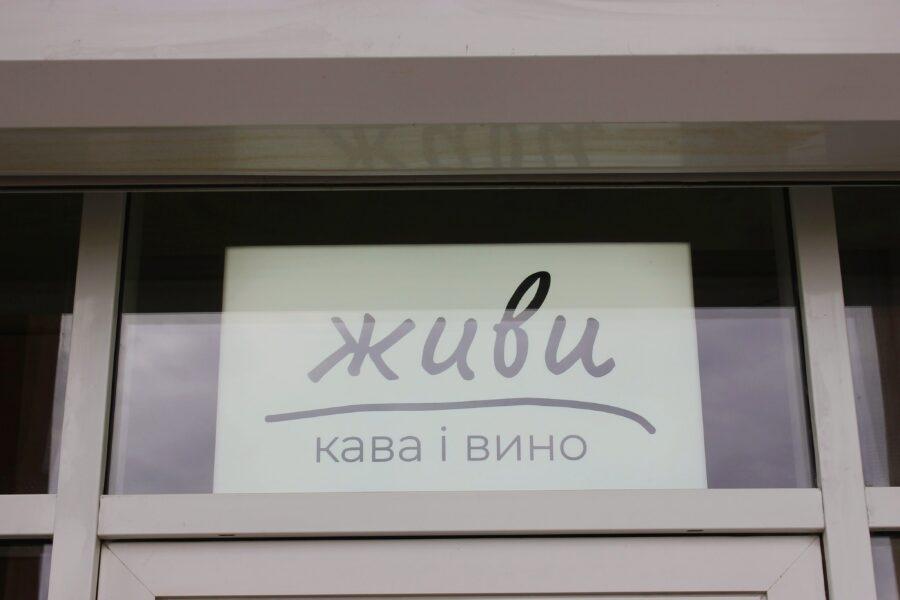
“Zhyvy” in Solomyanka is one of those coffee shops where people quickly stop being just guests. They come in for coffee, stay for conversation, get to know one another, and gradually become part of the place itself.
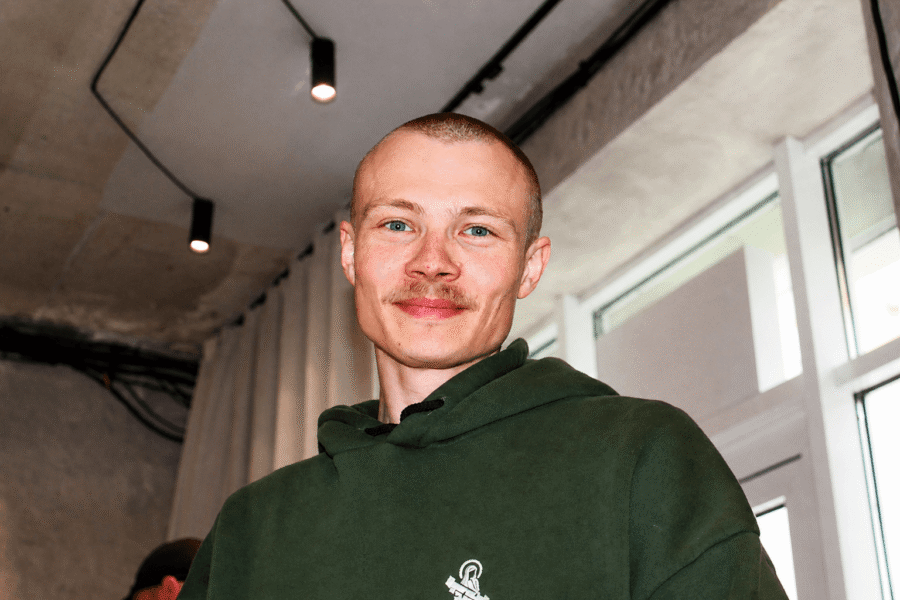
Co-owner of the coffee shop, Rodion Drahun, entered the business after finishing his career in circus arts. In 2022, he returned from abroad and began working as a barista in a small café owned by Kava Svitu Roastery founder Dmytro Neumyvaichenko, and later took over management of the venue himself. For Rodion, the experience became a kind of school: there he learned how to run a business, work with guests, and understand that a coffee shop is sustained by more than just the product.
“Zhyvy” became a continuation of that experience in a new location. The main idea, Rodion says, remained the same: a coffee shop should first and foremost be a place for people.
“For me, a coffee shop is not just a business and not just about making money. It’s a place for people to socialize. The best networking happens in coffee shops, especially neighborhood cafés. It’s a small community, a family — call it whatever you want,” he says.
In a neighborhood café, comfort is built on familiarity. Guests know the owners, recognize faces at nearby tables, and stop feeling like random visitors.
The name “Zhyvy” (“Live”) is also part of that idea. For Rodion and his business partner Mariia, it’s a reminder to value ordinary things: morning coffee, meeting friends, dinner around one table with loved ones. And to remember that this possibility exists only thanks to the military.
During the first major blackouts in 2022, the coffee shop became a place where guests could come to warm up, work, and simply be around other people. “Zhyvy” operated on a generator, though it wasn’t always enough for full-scale operations.
“People gathered there because it felt comfortable, warm, and cozy. They felt safer there than anywhere else,” Rodion recalls.
That feeling didn’t disappear after the blackouts ended. For regular guests, “Zhyvy” remains a place people visit not only for a drink. Andrii, who comes there often, says: “You come not only to drink coffee, but also to feel a sense of belonging. Coffee for me is an entire ritual.”
How Kyiv Learned to Drink Its Own Coffee
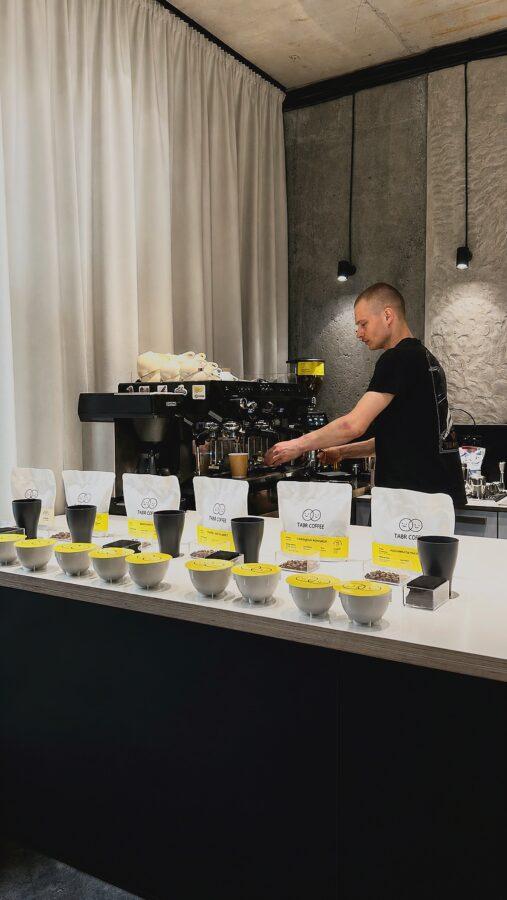
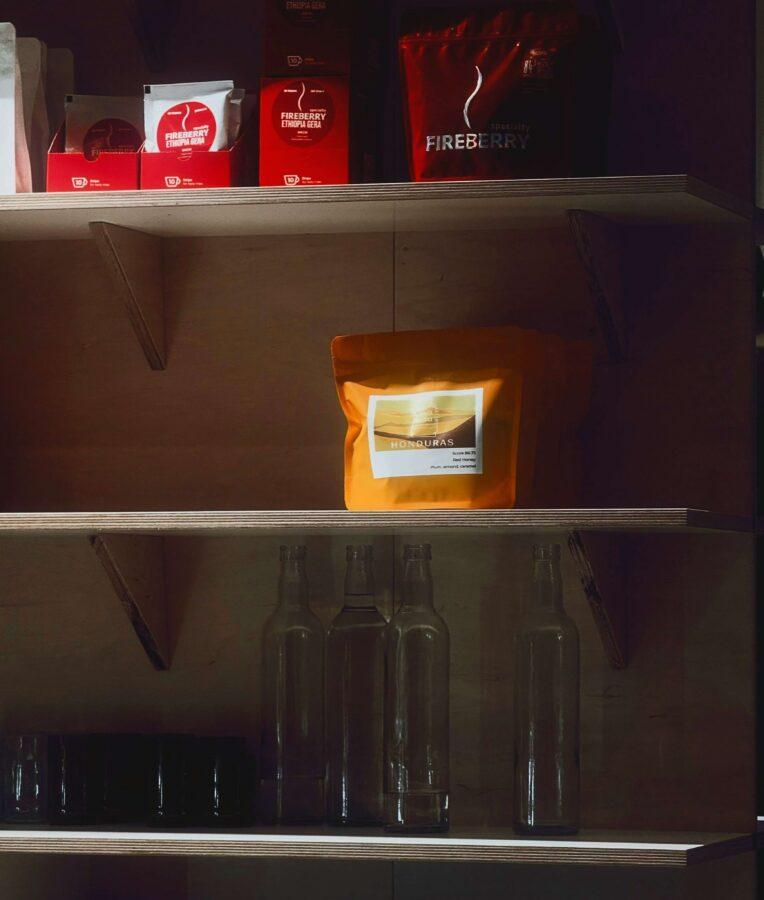
The story of “Zhyvy” is just one example of how Kyiv’s coffee map has changed over the last decade. Things that seem ordinary today — local roasting, bags of coffee beans on café shelves, filter coffee on the menu — were still exceptions ten years ago.
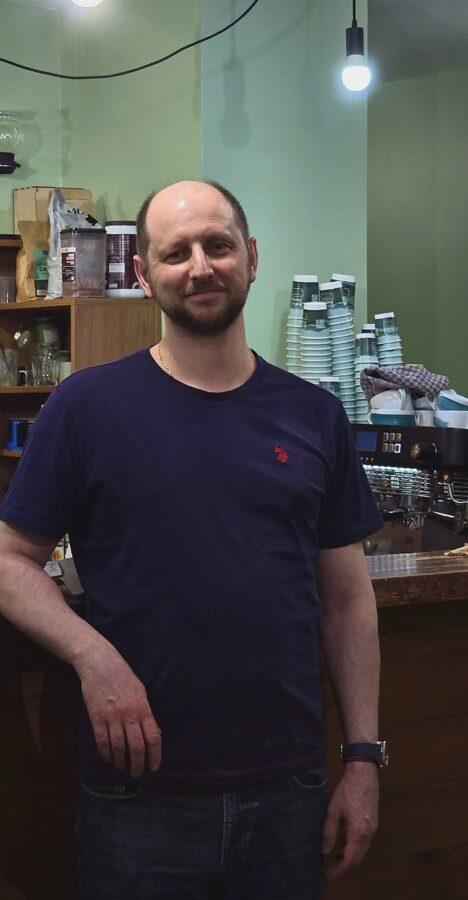
Dmytro Neumyvaichenko, owner of Kava Svitu Roastery, has worked with coffee since 2013 and remembers well the moment when the market was only beginning to take shape. Back then, only a handful of places offered quality coffee, and many Ukrainians bought European coffee that was often imported unofficially. The situation changed quickly: economic conditions aligned, demand for new formats emerged, and competition began raising quality standards.
“That allowed coffee to go to become a mass phenomenon within just a few years. And competition kept pushing quality standards higher and higher,” says Dmytro.
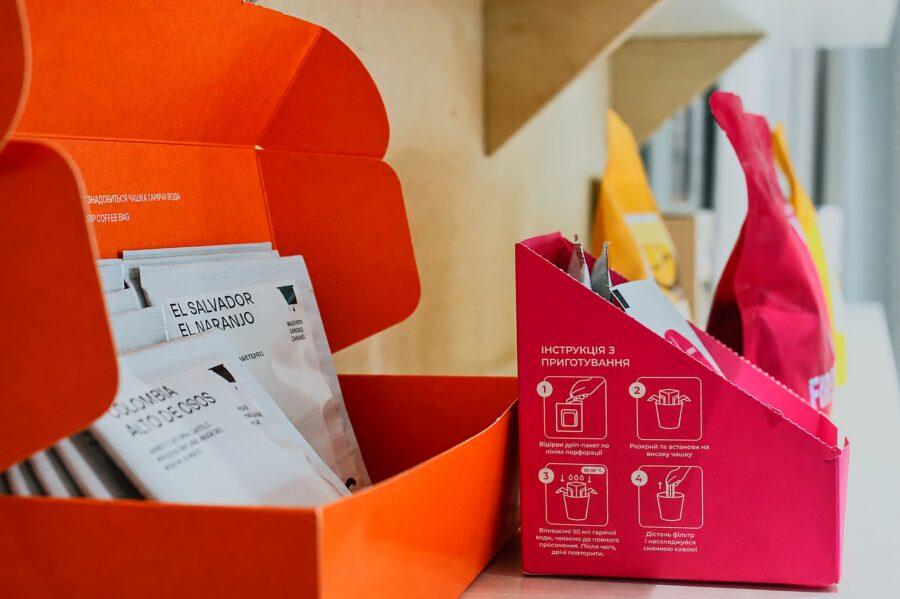
That’s how local roasteries, new café formats, and guests who wanted to understand exactly what they were drinking began appearing in Kyiv. Along with this came growing trust in local products: today, bags of Ukrainian-roasted coffee in cafés are an ordinary part of city life.
After rapid growth, the market faced new challenges — the pandemic, the war, rising raw material costs. This affected both businesses and customer behavior. If coffee culture once moved through experimentation — lighter roasts, brighter flavors, new brewing methods — today another demand has appeared alongside it.
“We see growing demand for stability and clarity of taste. People want at least something predictable, because life already has enough surprises,” Dmytro explains.
This reflects an important shift: coffee is becoming not only a gastronomic experience, but also a small point of stability. A familiar taste functions as something predictable in an environment where so much depends on forces outside your control.
That’s why cafés in Ukraine still remain what people call a “third place” — a space between home and work. Despite global trends, in Kyiv they continue to preserve this role, and during wartime they have even strengthened it.
“The full-scale war gave coffee shops additional social functions. During blackouts, these are places where support is always available,” says Dmytro.
That’s why Kyiv’s coffee culture today is no longer just about beans, roasting, or brewing methods. It’s about the opportunity to meet someone, sit quietly, exchange a few words with a barista, or simply spend a few minutes in a place where things feel a little calmer.

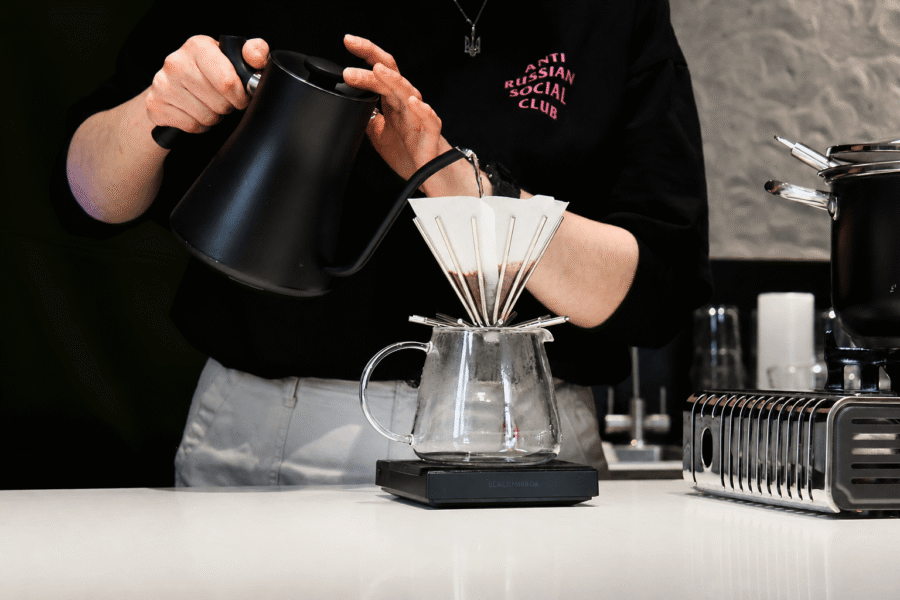
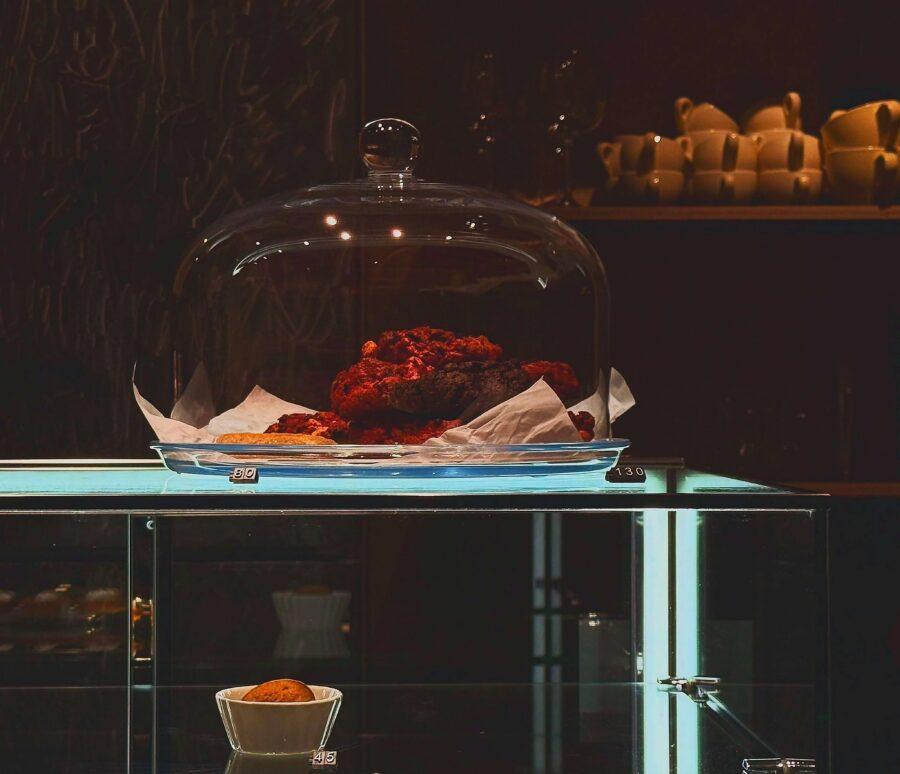
Coffee Shops as Places of Movement
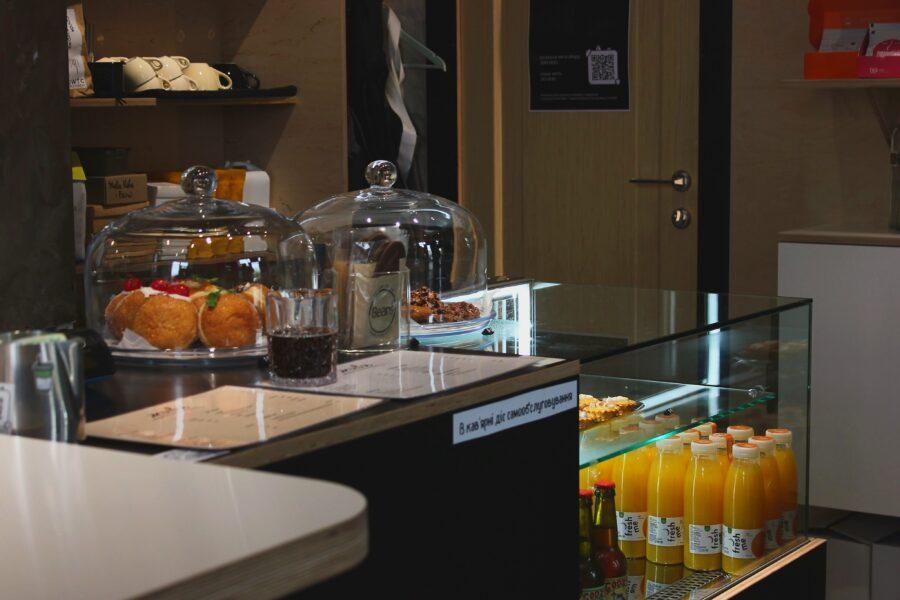
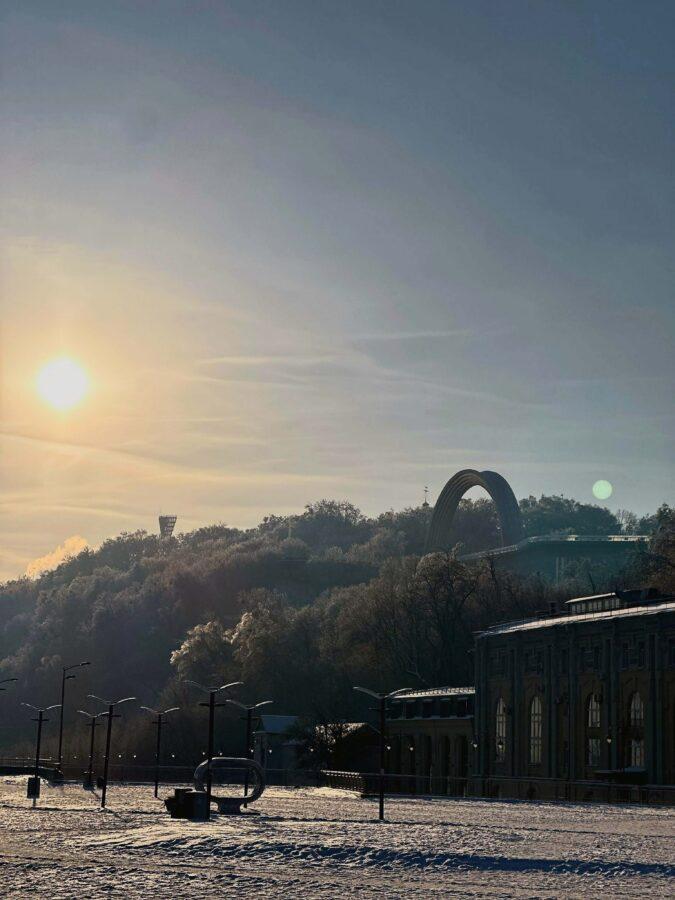
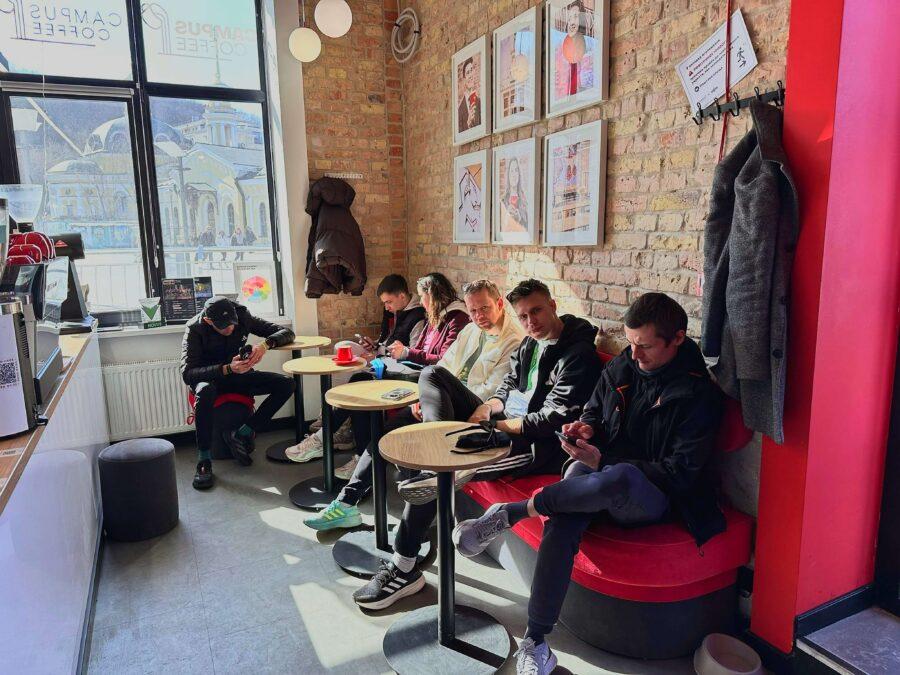
A different format of urban coffee space can be seen at Campus Coffee Shop on Poshtova Square. Thanks to its location, the café has become a convenient point for regular guests — students, runners, cyclists, bikers, and everyone for whom Campus functions as a pit stop in the city’s daily routes.
For Campus, Poshtova is important not only as an address. Nearby are the metro, the funicular, the embankment, and the pedestrian zone of Kontraktova Square, so people arrange meetings there, cross paths on the way somewhere, stop for coffee, and gradually begin recognizing one another.
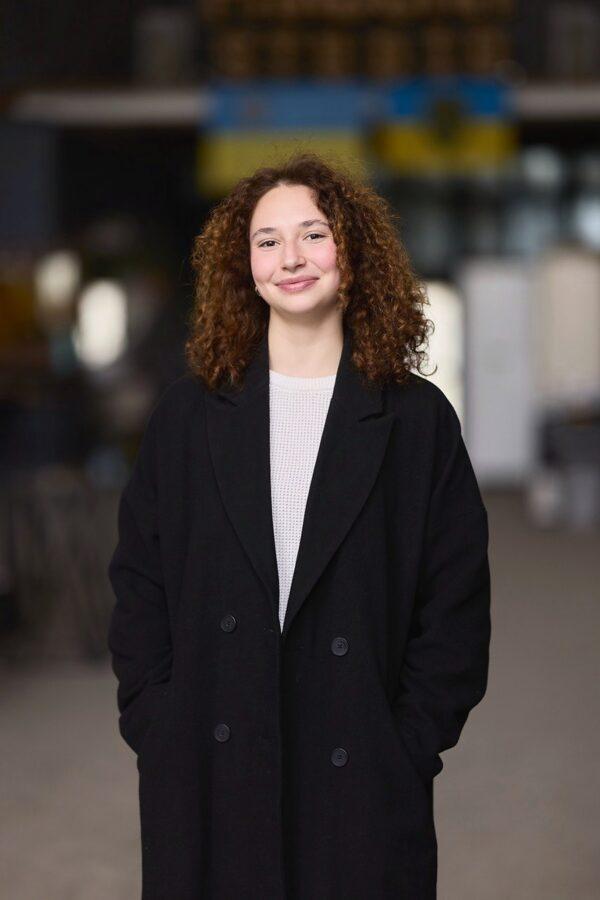
“It’s about calmness and movement at the same time. Poshtova feels like a place where you can sit on a bench and watch people moving back and forth,” says Campus Coffee Shop manager Viktoriia Shakh.
Events have become part of the café’s life. Campus hosts running festivals, long-distance runs of 20–25 km at different paces, training sessions for the PA:CE hunters running community, cupping sessions, and guest barista shifts. After runs, participants are treated to coffee and tea and given space to recover.
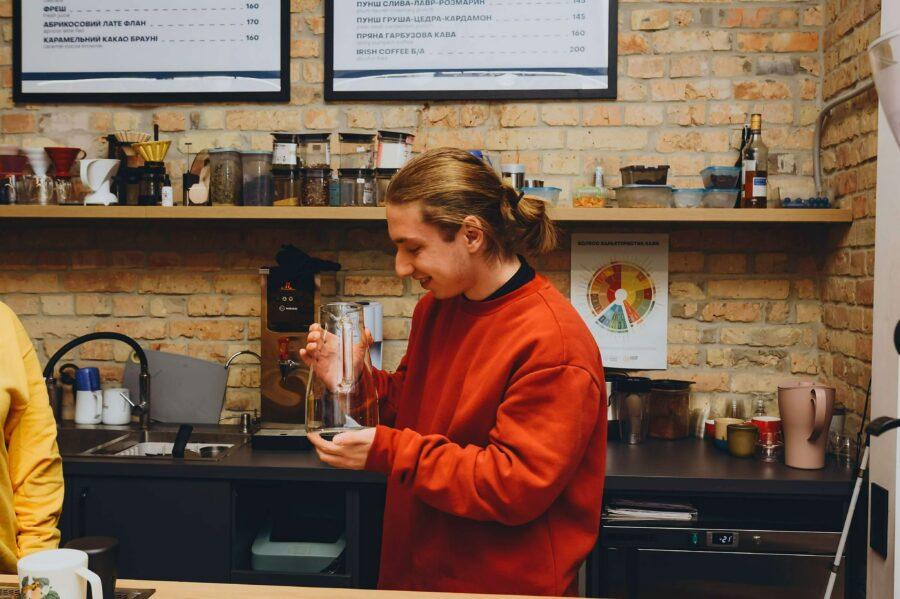
For Viktoriia, this continues the idea of the coffee shop as an open space. She brought this approach from NUANCE coffee, which she calls a “school of life”: there she learned to see the coffee bar as a stage and guests as people who can be engaged and introduced to coffee culture.
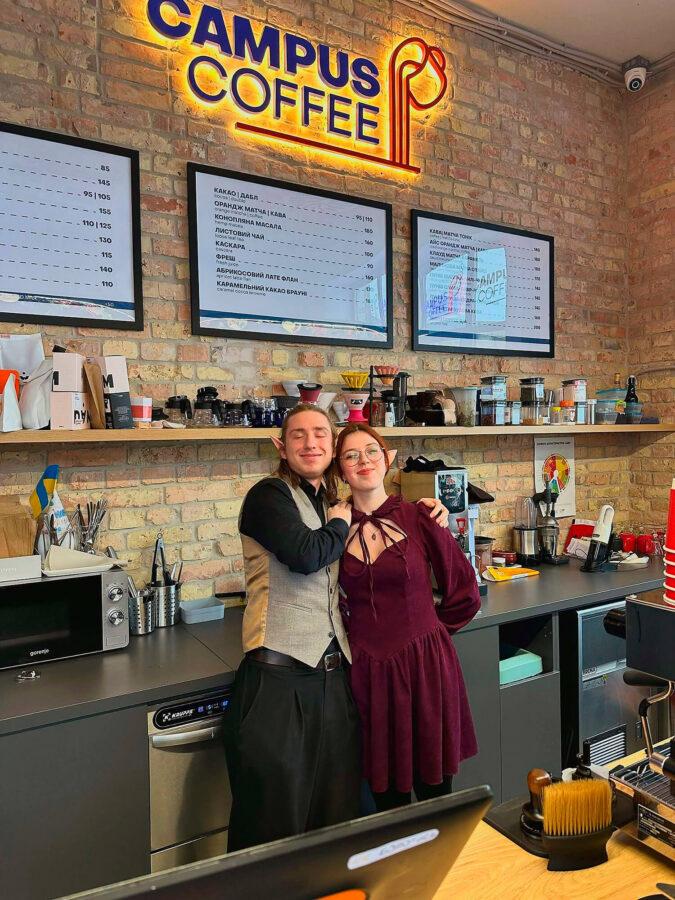
At Campus, this is reflected not only through drinks or events. One of the most important experiences for the team was the internship of a visually impaired barista named Vika, which the café organized together with Custom Coffee School. The team helped with adaptation and also created a prototype of a safe pour-over setup so Vika could independently prepare alternative coffee.
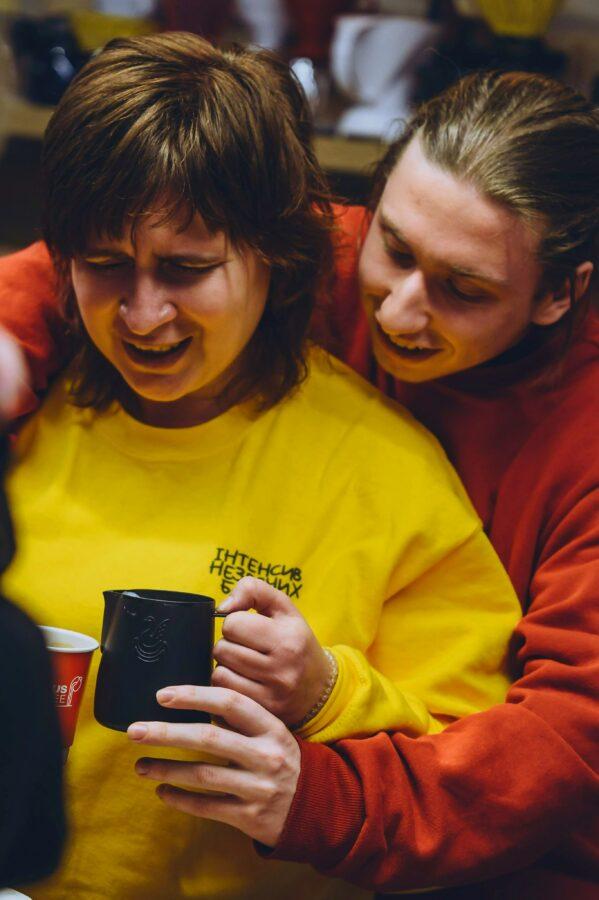
Stories like these show that a Kyiv coffee shop today can be a place for meetings, learning, movement, and support. Viktoriia sums it up simply: “Coffee shops have become places of unity.”
Coffee Shops as Points of Support
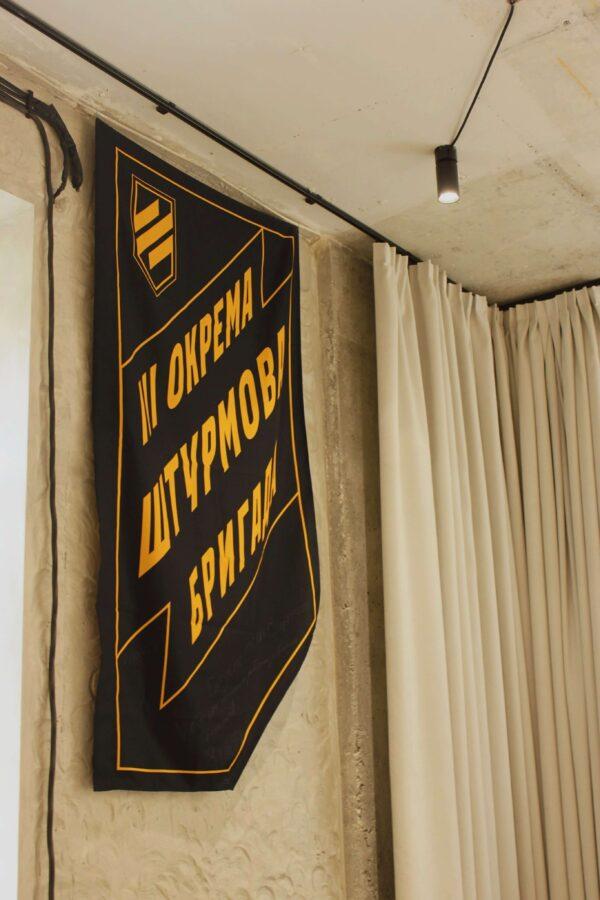
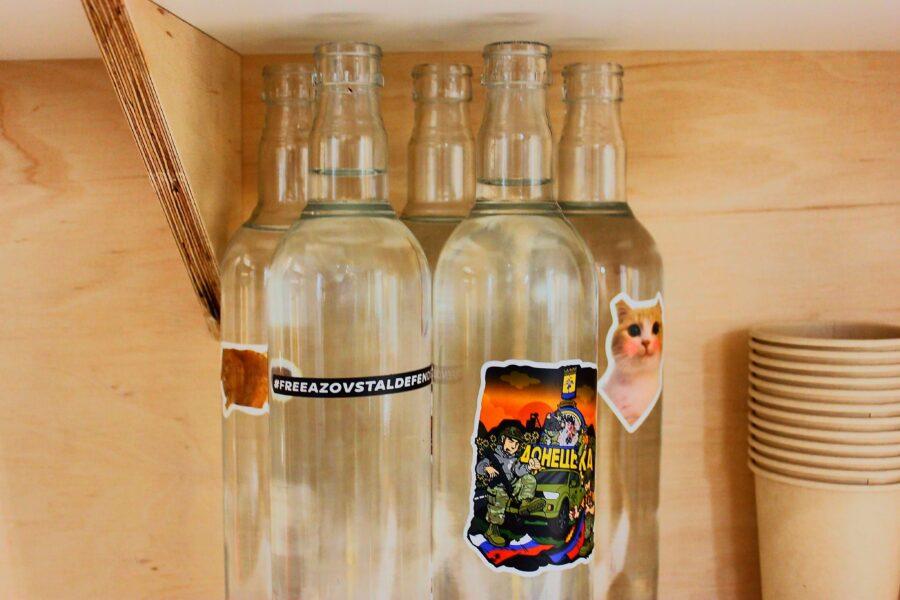
During the war, Kyiv coffee shops took on another role — volunteering. A QR code on a donation jar by the register, a charity drink on the menu, or a fundraiser for a familiar military unit became part of the everyday coffee ritual. People come in for a cappuccino or a bag of beans for home, while at the same time donating, sharing a fundraiser, or contributing to support efforts.
“Zhyvy” also took part in fundraising campaigns supporting the military. For the team, this became a continuation of the café’s core idea: the ability to live ordinary life today exists thanks to those defending the country. While this article was being prepared, “Zhyvy” co-owner Rodion Drahun joined the Defense Forces of Ukraine. For the team, supporting the military therefore became even more personal.
Coffee in Kyiv today is no longer just a drink. It is a morning ritual, a familiar face behind the counter, a power outlet during a blackout, a donation in a jar, a conversation with a friend, and a reminder that a city stays alive as long as the people in it continue supporting one another.
Photos: Maks Ivashchenko and provided by the article’s participants