
Yulia Karpova is a Ukrainian radio host with over 15 years of experience in media, the founder of the charitable foundation “Yulia’s Grandmothers,” which supports 10 institutions and 1,500 elderly beneficiaries, a public speaking coach, a public figure with a clear civic stance, and the partner of veteran and Hero of Ukraine Serhii Ponomarenko. In her life, these roles do not exist separately — they have become part of a single daily choice: to speak honestly, to support others, not to turn away from pain, and not to remain silent when dignity and justice are at stake.

Yulia herself begins a conversation about who she is not with a list of achievements, but with a simple and, at the same time, the most important definition:
“I really want — and perhaps this is the main thing one should strive for in general — to remain a human being in any situation and in any activity.”
This phrase likely captures the essence of who she is. Everything she does today rests on a single inner principle — not on the desire to appear strong, correct, or flawless, but on the need to remain alive, honest, and responsive to the pain of others.
Care as an Extension of Love
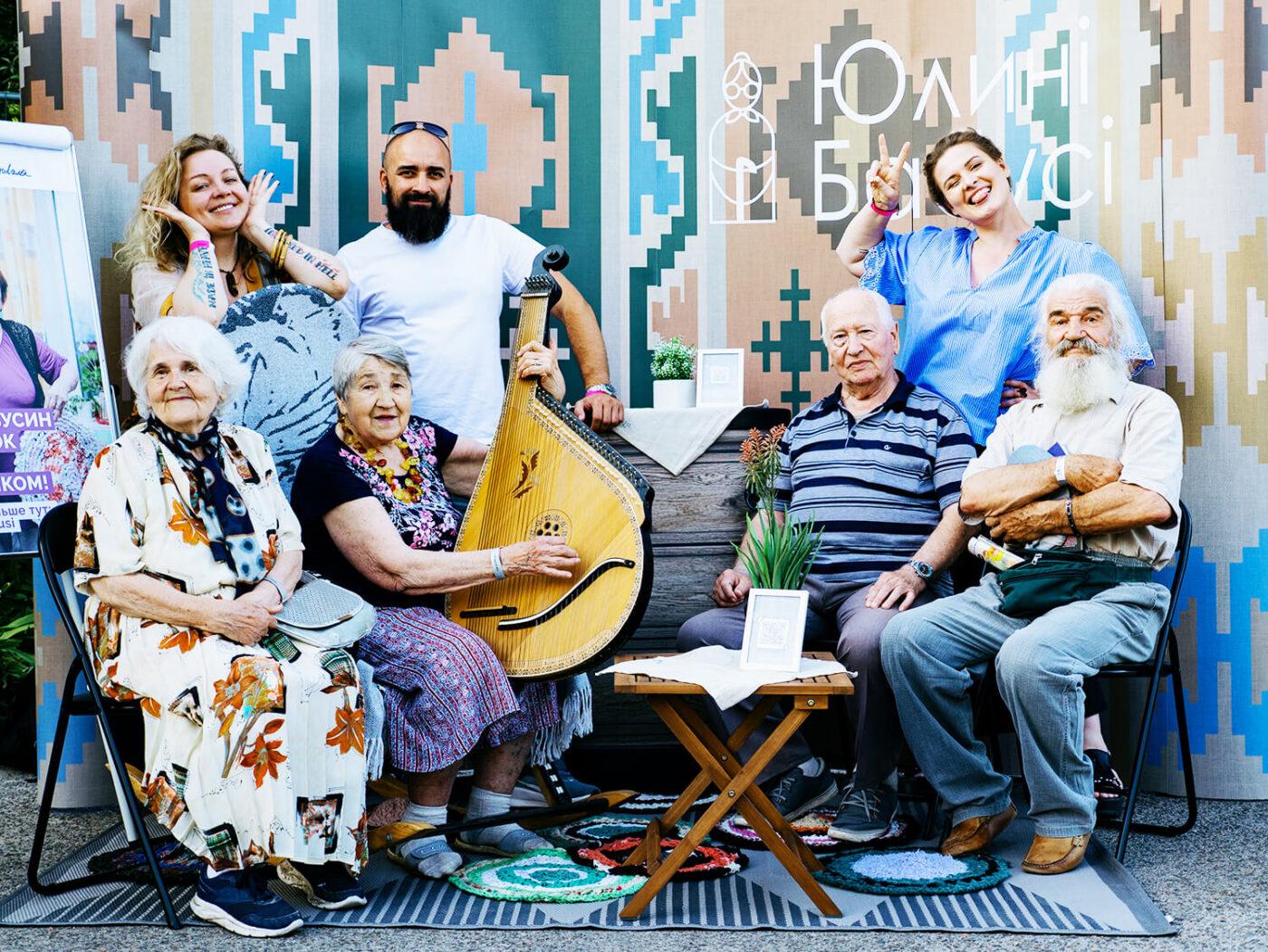
The foundation “Yulia’s Grandmothers” was born not out of an abstract desire to do good, but from an experience Yulia still remembers almost physically. During a trip to the de-occupied village of Andriivka, she saw an elderly woman dragging a cart to collect food packages for herself and her bedridden sister. That moment became a point of no return: helping the elderly stopped being a one-time reaction to someone else’s suffering and turned into a mission that has since become systematic.
Yet internally, this story is far more personal to Yulia than just volunteering.
“This is a huge matter of the heart for me. My great sentiment is helping elderly, lonely people. Because in this way, I continue myself as a granddaughter.”
Yulia remembers her grandmothers as very different women. One, she says, was a tomboy and a friend — someone she could talk to openly, as an equal. The other was incredibly gentle, attentive, and tender. From each of them, she retained a unique sense of love, closeness, and acceptance. And it is precisely this experience that now shapes her attitude toward lonely elderly people in care homes.
“I really wanted lonely elderly people to feel what it’s like when a granddaughter comes to visit them — even though they live in institutions.”
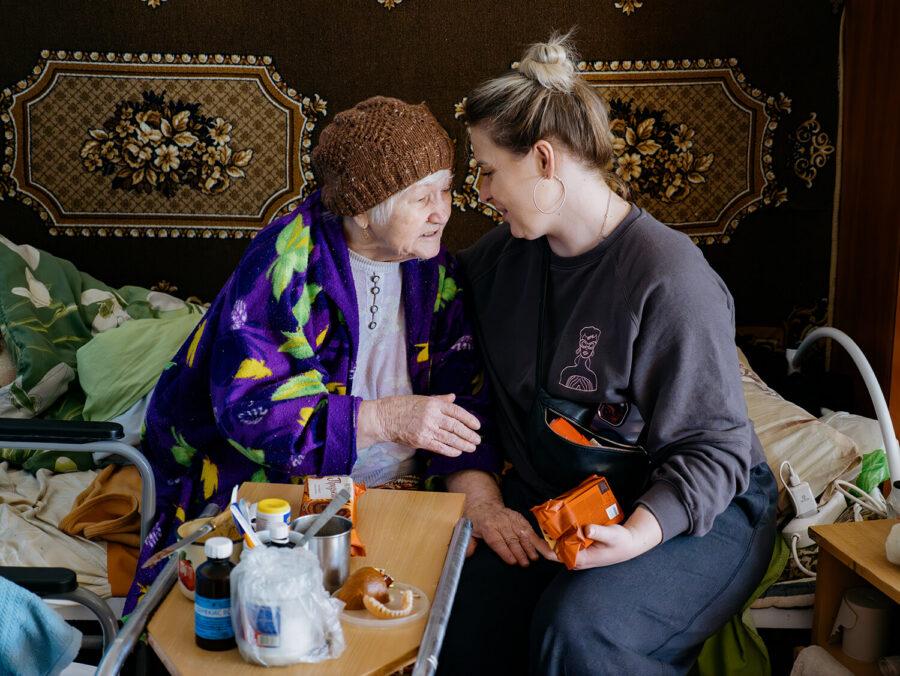
What affects her most is not only poverty or lack of resources. The most painful thing is seeing how drastically a person’s world can shrink in old age. For many of the foundation’s beneficiaries, life literally fits into a few square meters — a bed and a bedside table.
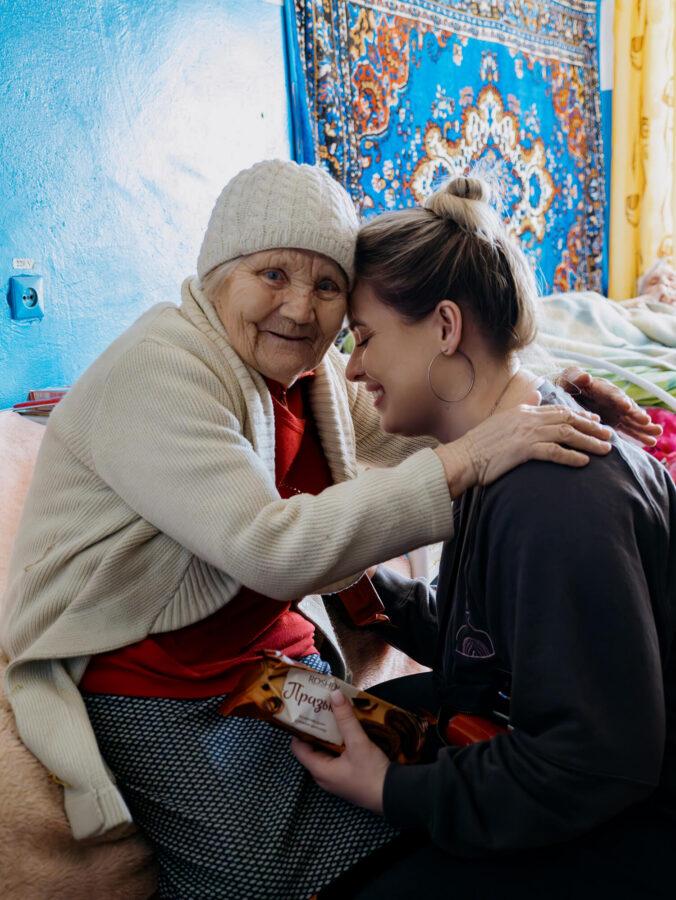
That is why, for Yulia, the foundation is not only about meeting basic needs. It is also about restoring to a person the sense of the difference between days, pleasant anticipation, small joys, and an interest in life. She wants the elderly to have not only care and food, but also memories, impressions, small gifts, and their own little celebrations.
For a European reader, she explains this through contrast. In many European countries, old age is often associated with a new stage of life — travel, books, hobbies, time for oneself. In Ukrainian reality, it is still very often the opposite: old age is perceived as the end of life rather than its new form.
“The way elderly people live in Europe is a great example not only for the elderly in Ukraine but also for many young people. They have interests, they live full lives, they travel, and they sometimes become even more active in retirement than in their youth. In our case, people do not look forward to retirement as Europeans sometimes do, to have time for travel, reading books, or hobbies. In our case, people are very afraid of it. Because it is always perceived as old age, as the end of life — just something to get through.”
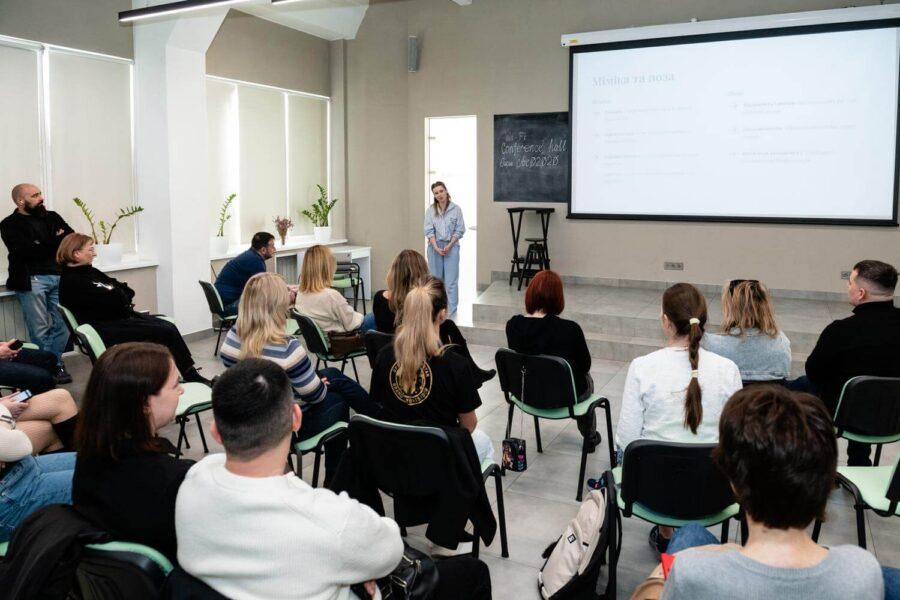
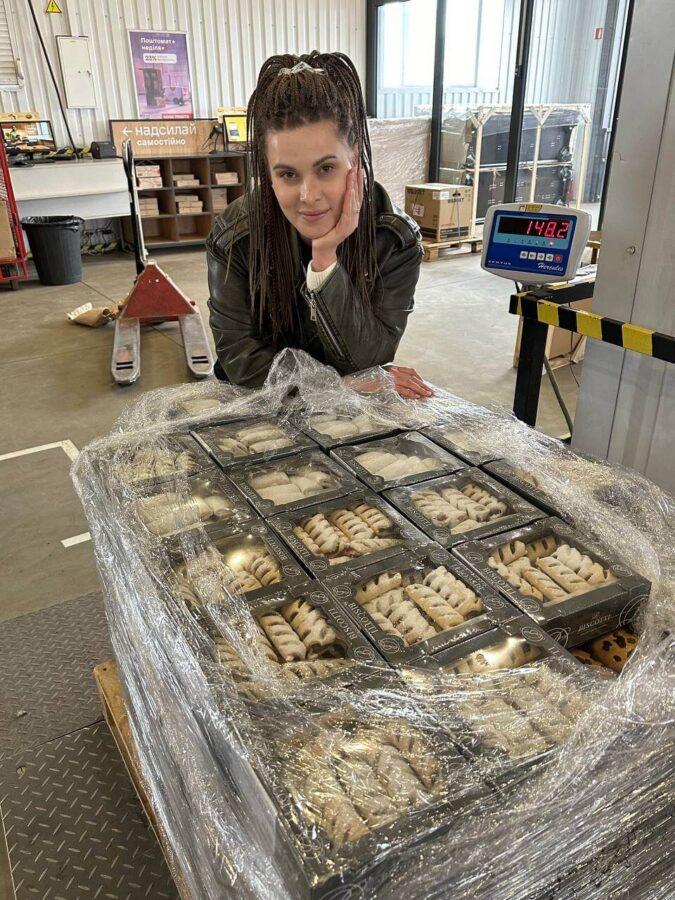
The daily work of her foundation consists of small things that, in reality, require constant involvement: checking new requests from institutions, understanding who urgently needs what, buying, delivering, finding small treats, and preparing for holidays. And also thinking about what people will not include in their requests because they consider it an unnecessary luxury.
“As a rule, requests include only what is necessary. What is considered a luxury for them — like fruit — is often not even mentioned, because, technically, you can live without it.”
Yulia deliberately refuses to reduce this connection with beneficiaries to mere management. She needs to remain someone who knows how people in these institutions live, what worries them, what they lack, and what can bring them joy.
Sometimes this reality is reflected in very simple requests — for newspapers, stationery, coloring books, and paints. For some, these are trivial things; for others, they mean recovery of coordination after a stroke, development of fine motor skills, a way to structure the day, and maintaining an interest in life.
What is hardest for her is seeing how things most people barely notice become symbols of unattainable luxury.
“When I ask elderly people about their favorite fruits to bring them next time, and they say, ‘No, that’s a luxury,’ and I realize we are talking about a kilogram of bananas — it’s emotionally very difficult.”
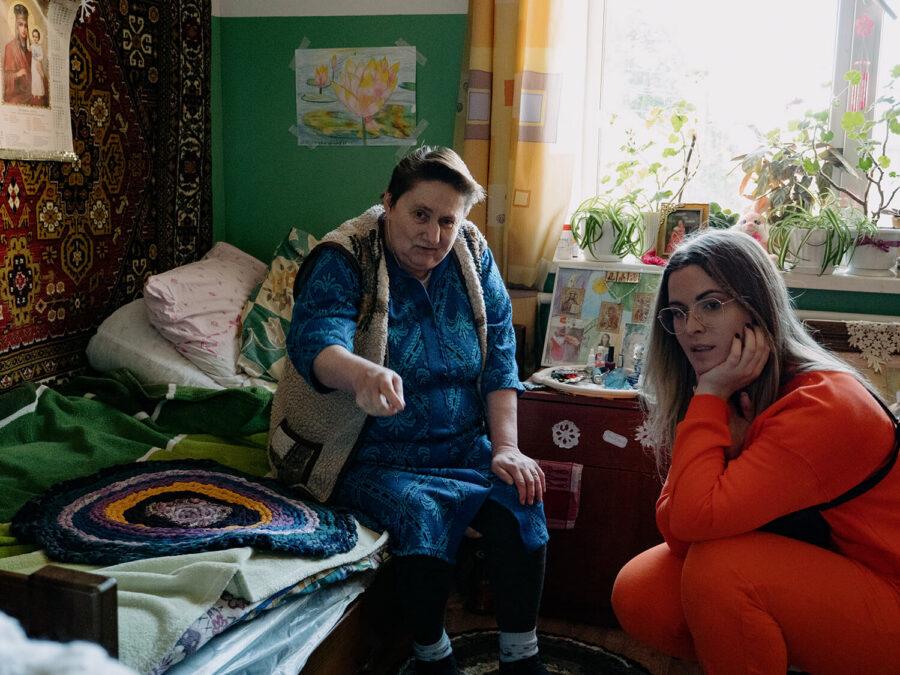
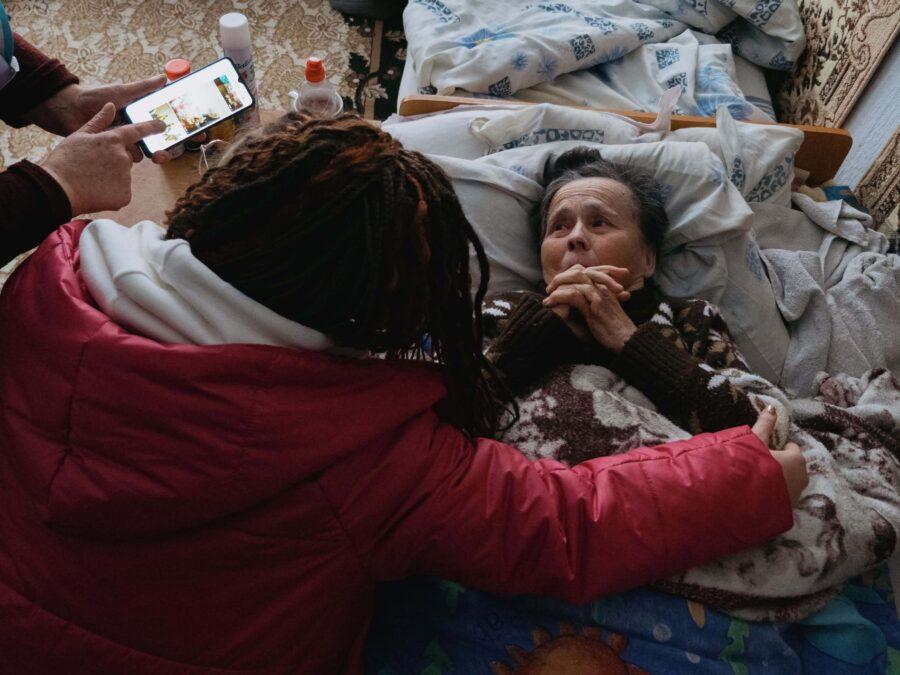
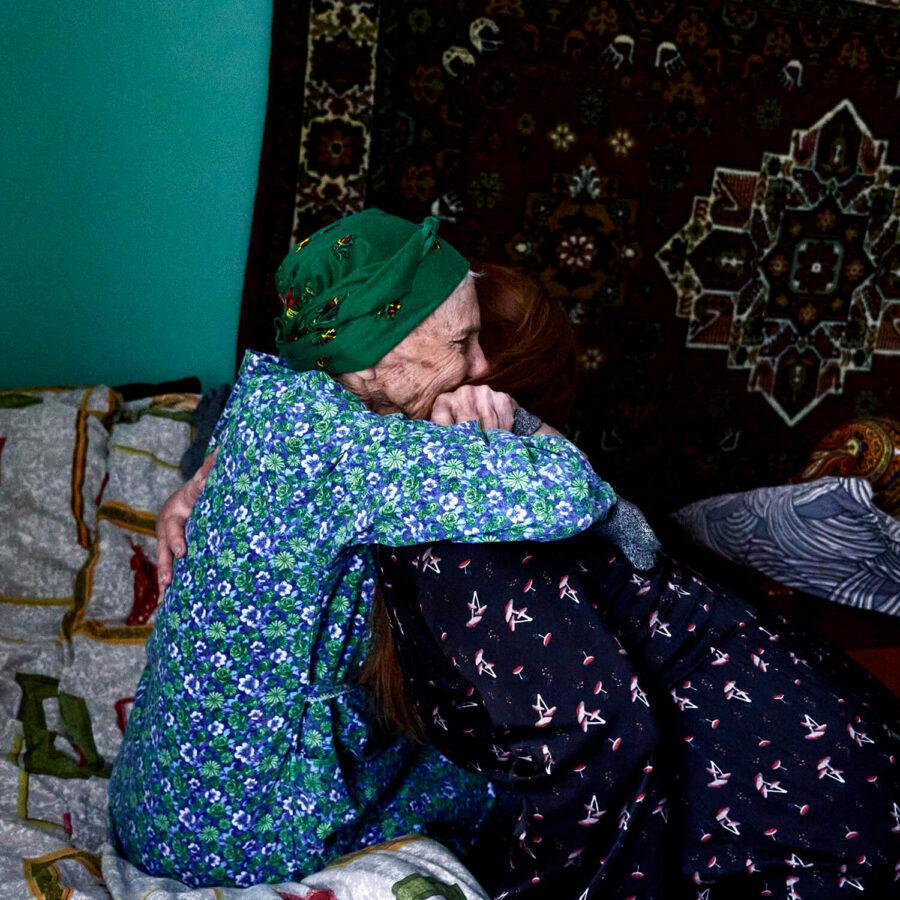
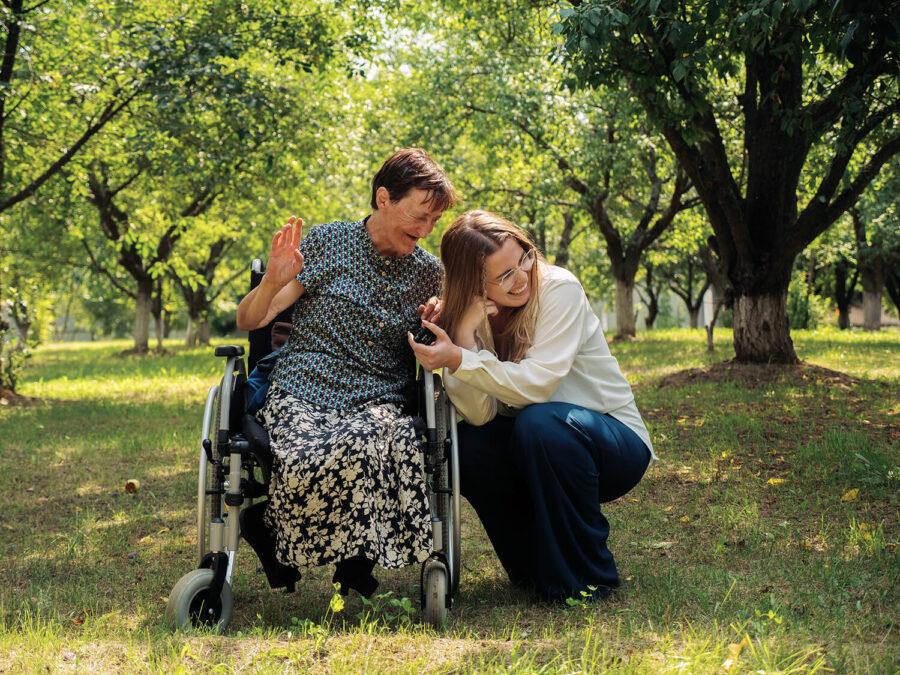
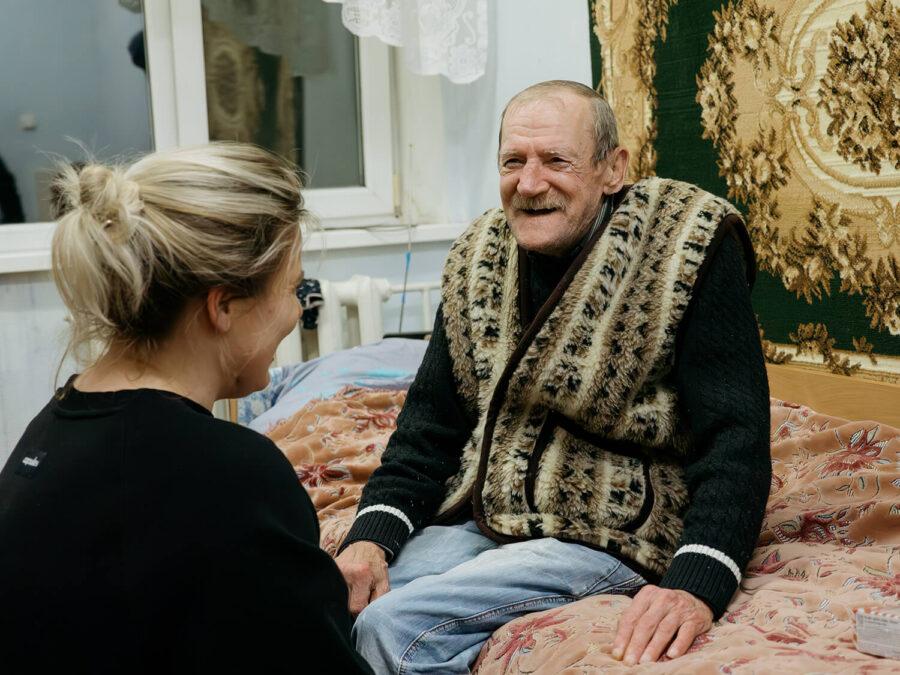
At the same time, it is precisely in this work that she finds confirmation that even a small act can change someone’s life. One such story stands out to her. In a care home, a blind elderly man used to sing serenades, while another man in a wheelchair once said that if he had the chance, he would accompany him on the guitar. Her partner Serhii heard this and, within a week, brought that man a new guitar.
“When I brought that guitar, in front of me was no longer an elderly man in a wheelchair. In front of me was a happy child who had just received the most important gift of his life from Saint Nicholas.”
A few months later, the man passed away, but he had managed to live part of his life with a dream fulfilled. For Yulia, this is one of the clearest answers to whether the foundation’s work truly makes a difference.
“He managed to live several months of his life with a dream he could never have afforded. And for me, this is very strong confirmation that the foundation really does change people’s lives.”
A Voice That Can Do More
Another important tool for Yulia is her voice. For her, it has long ceased to be just a profession.
“A voice is about influencing people, not just an instrument.”
She says she first understood this back in school — in situations familiar to many: when you don’t know the topic but have to sound as if you do. Even in that improvisation, she says, lies the beginning of how a voice affects others — not only through what you say, but how you sound.
After nearly sixteen years in media, this influence has become professionally refined. Through voice, emotion, rhythm, and delivery, she has learned to speak clearly about complex topics — without unnecessary pathos or artificial importance. Yet, as she notes, the radio has given her even more as a person than as a professional.
“During all my time on the radio, I clearly understood that I don’t want to be liked by everyone. And God forbid I ever am. I don’t want to be perfect — and God forbid I ever become perfect. The moment you become synthetic, smooth, and ‘correct,’ you immediately become uninteresting and bland.”

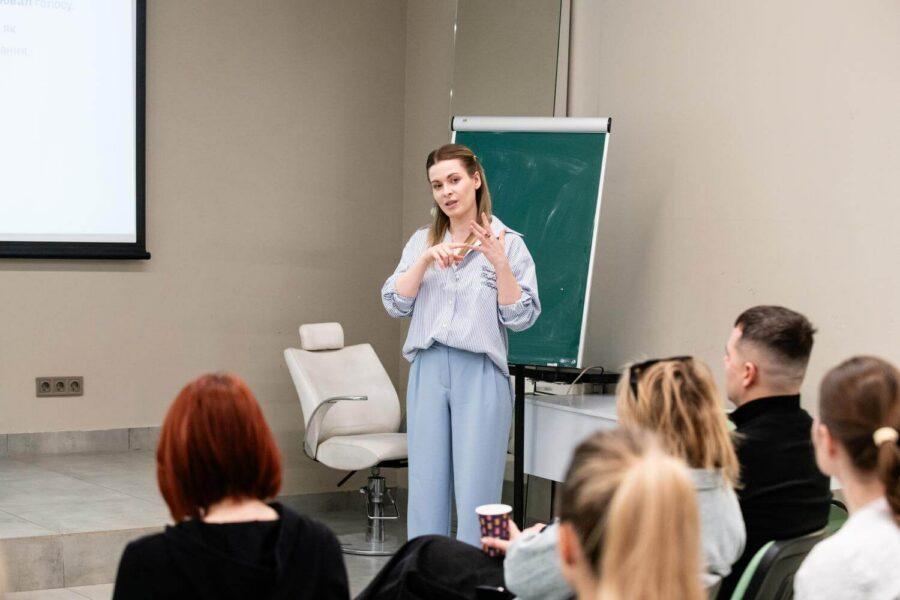
Live broadcasting taught her self-irony, the freedom to be real, and the courage not to fear imperfection. Over time, this experience evolved into another area of her work — coaching in public speaking. Most people who come to her are experts in their fields but struggle to explain complex ideas in a way that non-specialists can understand.
“Most often, people come to me asking: how can I speak in an engaging, clear, simple way, without overcomplicating things, so that I’m understood the first time?”
She considers this skill one of the most underestimated in the professional world. The real challenge is not speaking in a complicated way, but remaining an expert while still being understandable even to someone unfamiliar with your topic.
“You need to speak with people. And ‘with people’ means clearly, simply, easily — so that even someone who knows nothing about your field feels like an expert while listening to you.”
Another important topic in her work is the fear of public speaking. Yulia approaches it physically: fear, she says, lives not only in the mind but in the body — in tension, trembling, stiffness, posture, breathing, and voice.
“The fear of the stage, of being heard, of an audience — of public speaking in general — lives in our bodies. It’s pure physics.”
That is why the first thing she works with is not polished phrasing, but the physical signals of fear. When a person begins to control their body, they gradually regain both their voice and their confidence.
Another of her strengths is humor and self-irony as a way to deal with tension.
“No one can laugh at me louder than I can laugh at myself.”
For her, this is not just a witty phrase, but a principle. When a person turns an awkward moment into humor, the tension changes: others begin to laugh not at them, but with them.
She considers this especially important for women, who are often afraid to sound loud or confident. Here, she offers a simple but powerful question:
“Would you want your daughter to feel and behave the way you do — uncertain, scared, not even trying to improve her situation?”
For her, public visibility today is neither a burden nor a privilege — it is, above all, a responsibility. She uses it to educate, engage people in charity, draw attention to important issues, and speak openly about war, fear, insecurity, support, and growth. For Yulia, it is not a separate status, but a way of acting in accordance with her values.
A Relationship with a Hero of Ukraine
Another important part of Yulia’s life is her partnership with veteran, Hero of Ukraine, and deputy commander of the 9th Battalion of the 3rd Separate Tank “Iron” Brigade, Serhii Ponomarenko.
“My life with a veteran has not changed my view of war, society, or justice in any way. On the contrary, these views have only been strengthened by the fact that I live with a veteran.”
Her experience has made it even clearer to her that civilian society often does not understand veterans — and sometimes does not even want to. The gap between these realities is obvious: some people live at home in a familiar rhythm, while others have gone through combat, loss, and constant danger, and have returned to civilian life as different people.
“Civilians do not understand veterans at all — their experiences, their thoughts, their state, often even their behavior.”
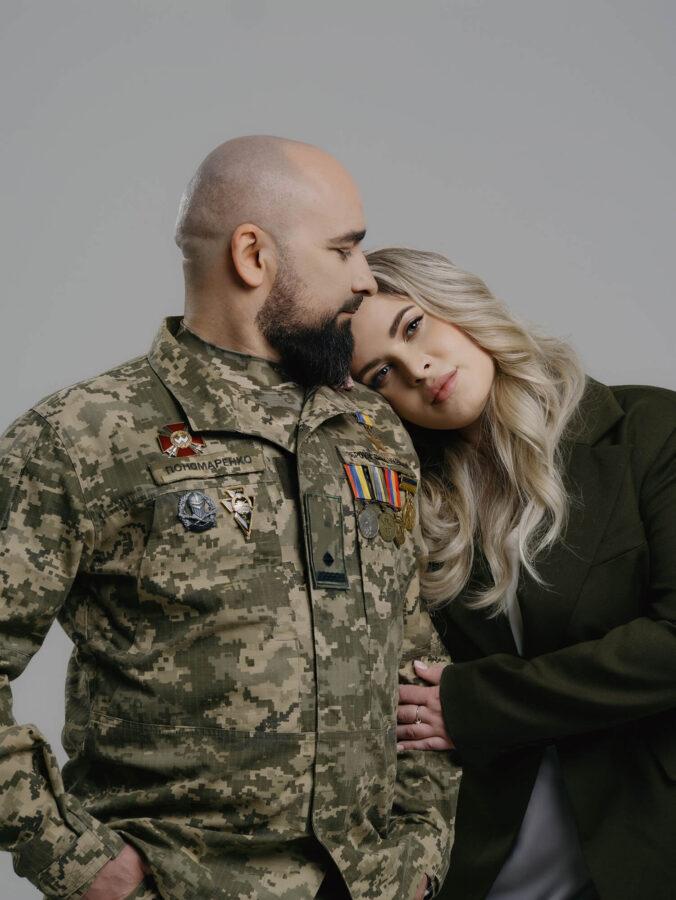
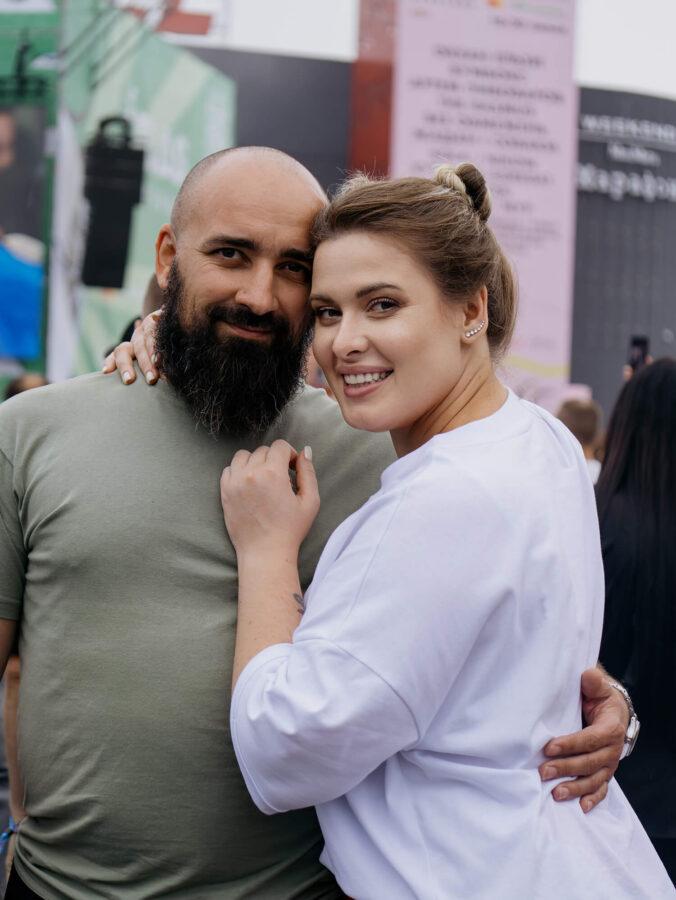
The most painful evidence of this, she says, appears in everyday situations: arguments about free transportation, irritation over benefits, unwillingness to give up a seat or let someone go first, constant doubts about the “visibility” of someone’s trauma.
She also highlights the issue of invisible injuries. Society, she says, too often recognizes disability only when it is physically visible.
“People think that if someone returns from war with a disability, it must mean an amputation. But if the illness is not visible, then it’s not considered an illness.”
In her relationship with Serhii, she names trust as the main foundation.
“In our relationship, the main support is trust in each other. Absolute. Maximum, as much as possible.”
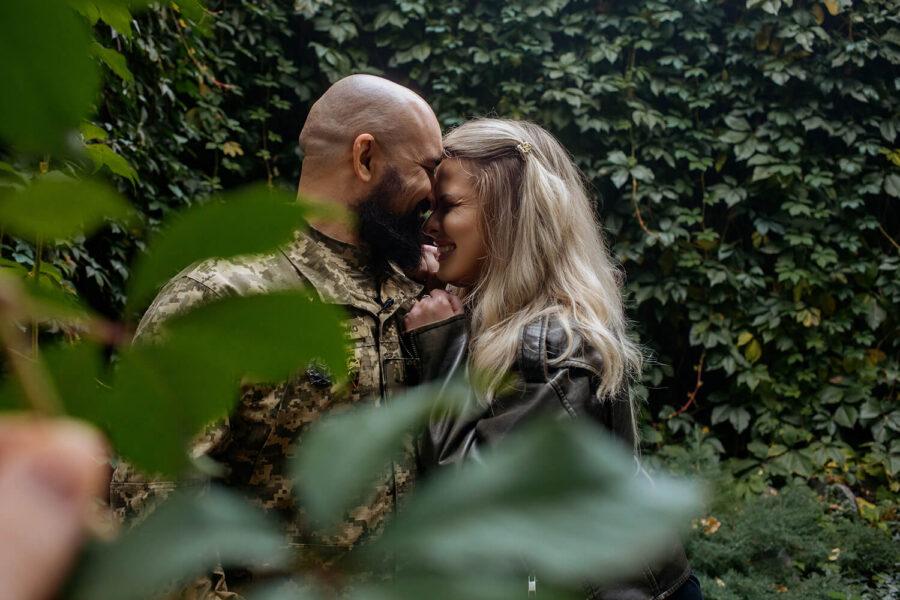
This trust is accompanied by shared values — honesty, directness, principle, and intolerance toward injustice. According to her, this is what brought them together in the first place.
Her understanding of being a partner to a veteran is far from romanticized. It is not about offering beautiful support from the sidelines, but about real involvement in the difficult journey of returning to civilian life.
“In today’s reality, a veteran’s partner is, first of all, someone who not only listens but truly hears — and who is ready to go through the entire path of returning to civilian life together with the veteran.”
This does not always mean smoothing things over. Sometimes, she says, support means amplifying the veteran’s voice even more when others refuse to hear it.
In her view, what veterans’ families lack most today is not kind words, but practical knowledge of how to help a person adapt without causing further harm — and also understanding and support from society, which still too often measures this experience in terms of comfort or money.
Justice as a Way of Life
Everything Yulia does is grounded in one inner core, which she describes as a heightened sense of justice.
“It’s when, in any situation where I witness someone being treated unfairly — whether they are deceived, humiliated, or anything else — I will never just pass by.”
For her, this is not a decorative personality trait, but a practical moral imperative. If you see injustice and remain silent, it means you accept it.
That is why Yulia refuses to stay silent about uncomfortable topics — from war and attitudes toward the military to human dignity, language, humiliation, inequality, and unfair systems.
“I am not ready to stay silent about any topic if it is sharp and meaningful.”
For her, speaking out is not about temperament or a desire for attention — it is about honesty.
“To live honestly with yourself and with others means, in no way, being perfect or ‘correct,’ but simply being Yulia.”
She does not try to be flawless — and sees this as an act of honesty. Not hiding weaknesses, not masking failures, not smoothing over contradictions, but remaining herself even when it is uncomfortable or does not fit others’ expectations.
It is important for Yulia that a European audience sees not only one particular woman in her story, but also the broader experience of Ukrainian women during the war — those who simultaneously care, work, love, endure, and continue moving forward.
“I would really like European audiences to perceive Ukrainian women as Wonder Women — as superheroes, as people with extraordinary abilities, who can do even more if properly supported and allowed to do everything they want.”